English
 中文简体
中文简体 Español
 عربى
عربى
Content
Why Sofa Fabric Choice Matters
The fabric covering a sofa affects far more than its appearance. It determines how comfortable the seating feels, how well it withstands daily use, how easy it is to clean, and how long the piece will last before showing signs of wear. Choosing the wrong fabric for a household with children, pets, or heavy foot traffic can lead to premature staining, pilling, or fading, while the right choice can keep a sofa looking fresh for a decade or more.
Before selecting a fabric, it helps to think through how the sofa will actually be used. A formal living room that sees occasional guests has very different requirements than a family room where kids eat snacks on the couch and pets curl up for naps.
Common Sofa Fabric Types and Their Properties
Sofa fabrics generally fall into natural, synthetic, and blended categories, each offering a different balance of comfort, durability, and maintenance requirements. The table below summarizes the most popular options.
| Fabric Type | Durability | Best For |
| Cotton | Moderate | Low-traffic, casual rooms |
| Linen | Moderate | Relaxed, breathable style |
| Leather | High | Durability, easy wipe-down |
| Polyester | High | Budget, stain resistance |
| Velvet | Moderate | Formal, low-traffic areas |
| Performance Fabric | Very High | Pets, kids, heavy use |
Performance fabrics, often made from tightly woven synthetic fibers, have become increasingly popular because they combine the soft feel of natural textiles with the stain resistance and durability needed for busy households.
Understanding Fabric Durability Ratings
Sofa fabrics are often rated using a double rub count, which measures how many times a mechanical arm can rub against the fabric before it shows visible wear. This rating provides an objective way to compare durability across different materials.
How to Interpret Double Rub Counts
- Below 10,000 rubs: light domestic use, decorative pieces
- 10,000 to 15,000 rubs: general residential use
- 15,000 to 30,000 rubs: heavy residential use, families
- Above 30,000 rubs: commercial-grade durability
Households with children or pets should generally look for fabrics rated at 15,000 rubs or higher to ensure the sofa can withstand daily activity without premature wear. Retailers typically list this rating on fabric swatches or product specification sheets.
Choosing Fabric Based on Household Needs
Matching fabric choice to lifestyle is one of the most practical steps in sofa shopping. Different households face different challenges, from pet hair and claws to spilled juice and food crumbs, and selecting fabric with these realities in mind prevents disappointment after purchase.
Fabric Recommendations by Lifestyle
- Families with young children: stain-resistant performance fabric or leather
- Pet owners: tightly woven synthetic blends that resist snags and hair buildup
- Formal living spaces: velvet or linen for a refined, textured look
- Warm climates: breathable cotton or linen blends
- Minimal maintenance preference: leather or performance polyester
For pet owners specifically, fabrics with a tight weave prevent claws from catching and snagging threads, while looser weaves like some linens are more prone to pulls and runs over time.
Cleaning and Maintenance Codes Explained
Most upholstery fabrics come with a cleaning code that indicates the safest method for removing stains and maintaining the material. Understanding these codes before purchase helps set realistic expectations for ongoing care.
Fabrics marked with a "W" can be cleaned with water-based cleaning solutions, making them relatively easy to maintain with mild soap and water. Those marked "S" require solvent-based cleaners only, since water can cause staining or shrinkage on these materials. A "WS" code means either method is safe, offering more flexibility for spot cleaning. Fabrics marked "X" should only be vacuumed, as both water and solvent cleaners can damage the material.
Checking this code before purchasing helps buyers avoid selecting a fabric that requires professional cleaning for every spill, which can become costly and inconvenient for households prone to accidents.
Balancing Style and Practicality
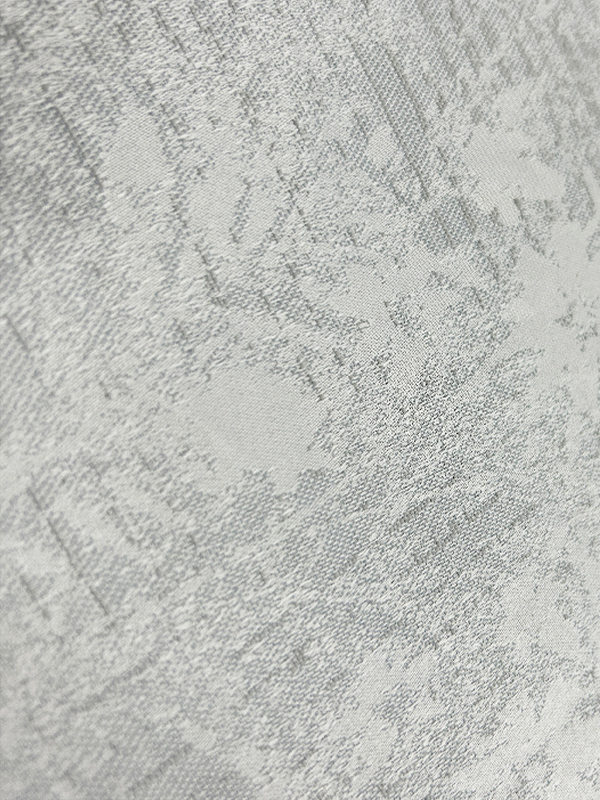
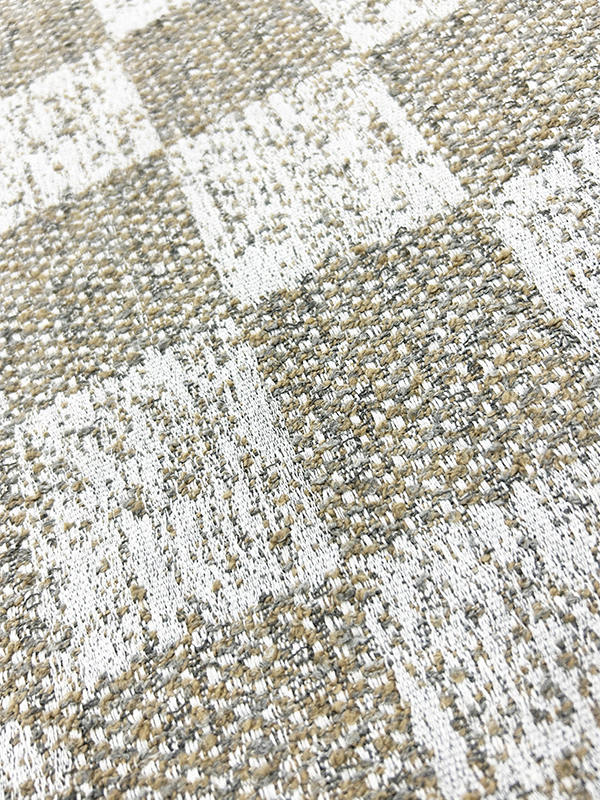
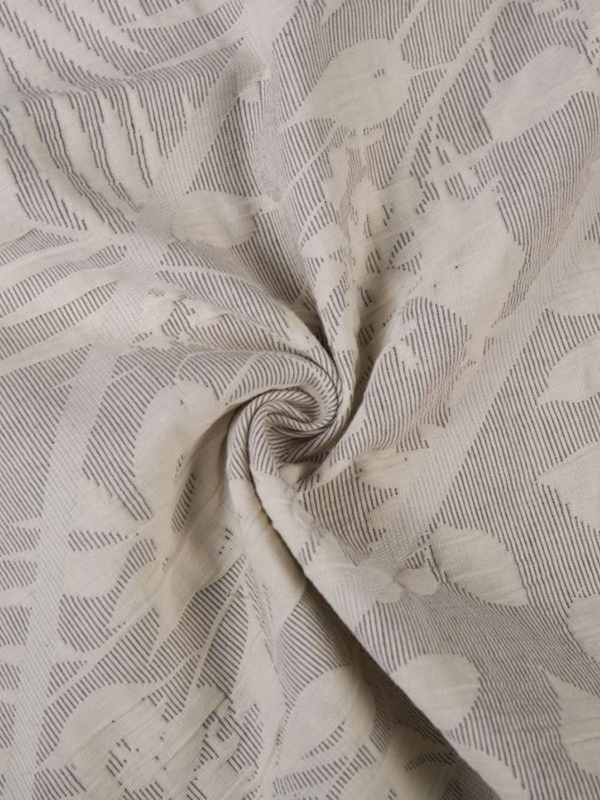
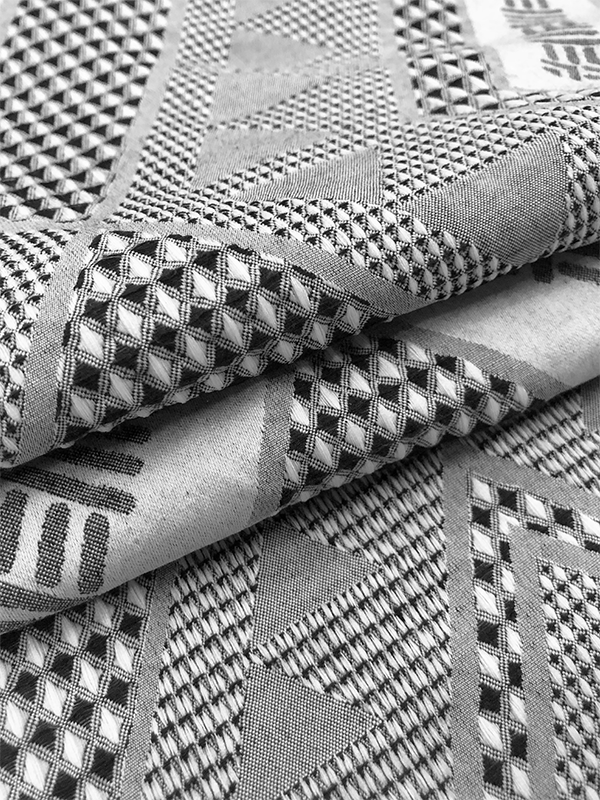
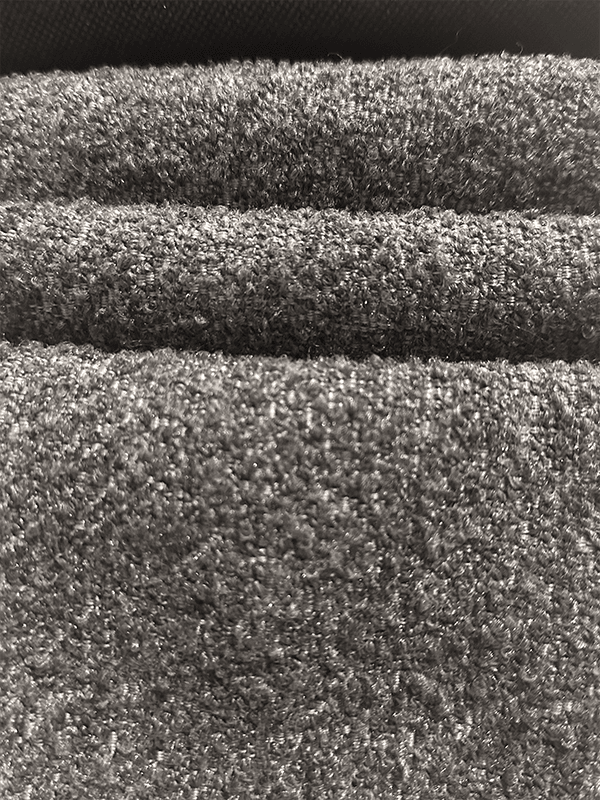
While durability and ease of care are important, fabric choice also shapes the overall aesthetic of a room. Textured fabrics like boucle or chenille add visual interest and a cozy feel, while smooth fabrics such as leather or tightly woven cotton create a cleaner, more contemporary look.
Color and pattern selection also affect how well a sofa hides everyday wear. Solid light colors show stains more readily than patterned or textured fabrics, which can camouflage minor spills and everyday marks. For households seeking a balance between style and low-maintenance living, mid-tone colors with subtle texture often provide the most practical long-term solution without sacrificing visual appeal.