English
 中文简体
中文简体 Español
 عربى
عربى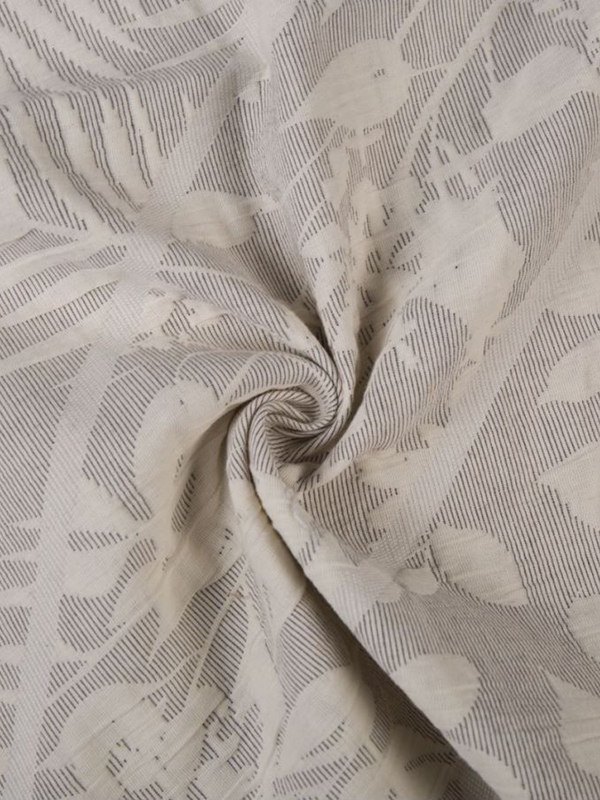
Content
- 1 What Jacquard Fabric Actually Is and Where the Name Comes From
- 2 How the Jacquard Weaving Process Works
- 3 The Main Types of Jacquard Fabric and Their Characteristics
- 4 Fiber Content and How It Affects Jacquard Fabric Performance
- 5 Common Applications of Jacquard Fabric Across Industries
- 6 Practical Tips for Buying and Caring for Jacquard Fabric
What Jacquard Fabric Actually Is and Where the Name Comes From
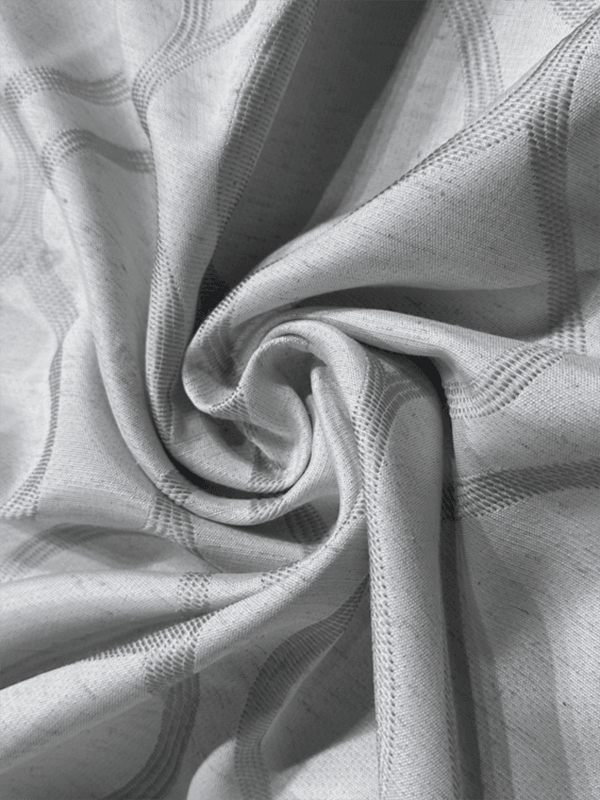
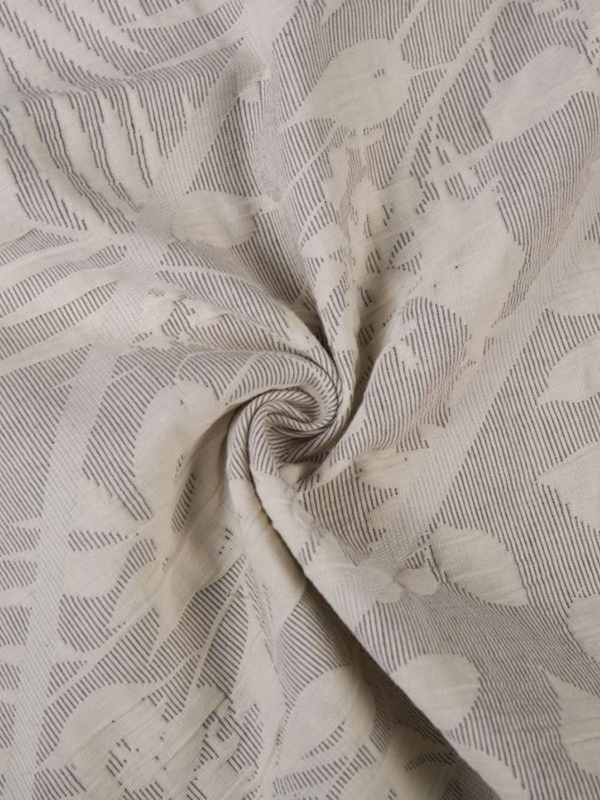
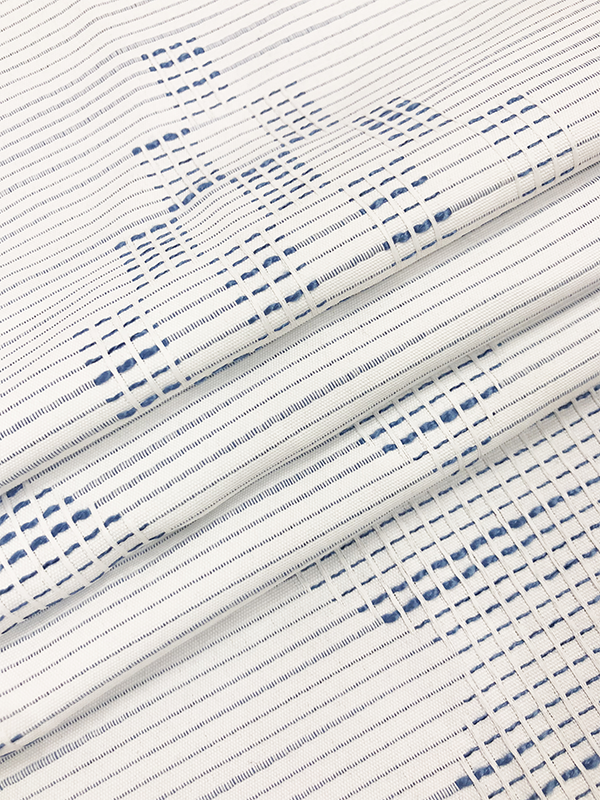
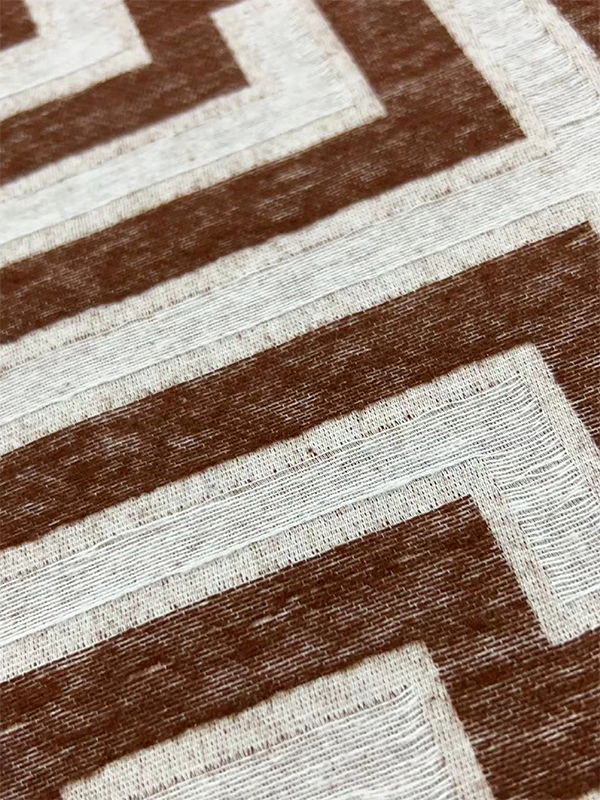
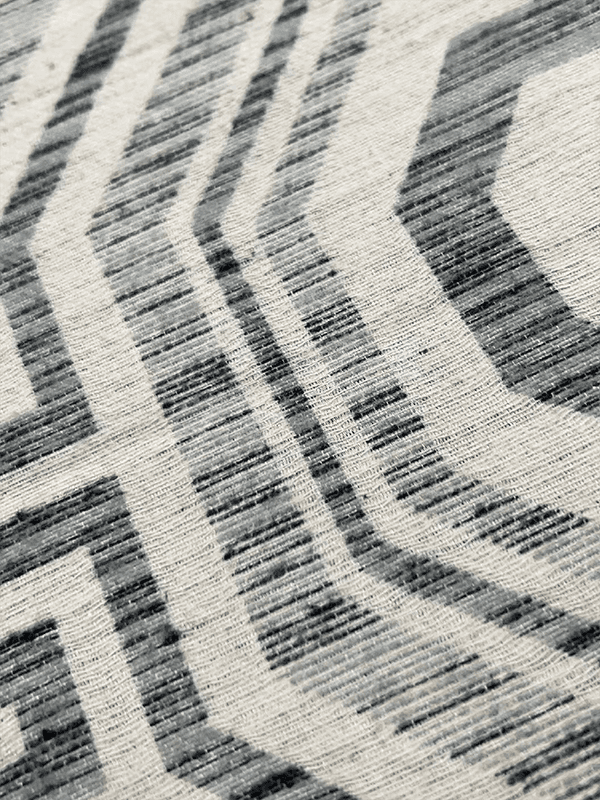
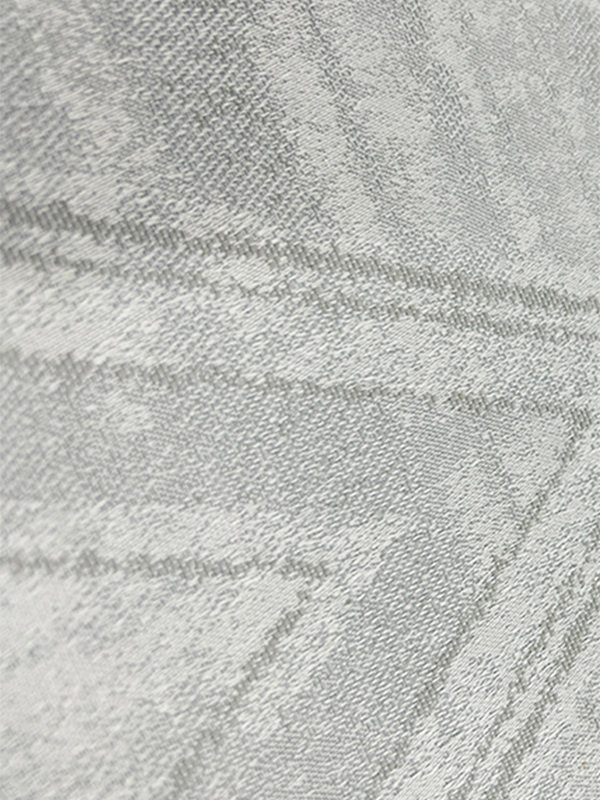
Jacquard fabric is a category of woven textile defined not by its fiber content but by the method used to create its pattern. The defining characteristic of any jacquard fabric is that its design — whether a floral motif, a geometric repeat, a damask scroll, or an intricate figurative image — is produced directly within the weave structure during the weaving process itself, rather than printed onto the surface of a pre-woven base cloth afterward. This means the pattern is structural: it is formed by the specific interlacement of warp and weft threads at each individual point across the fabric width, producing a design that is visible from both sides of the cloth and that does not fade, crack, or wear off the way surface-applied prints eventually do.
The name comes from Joseph Marie Jacquard, a French weaver and inventor who in 1804 introduced a mechanical loom attachment that used a series of punched cards to control the lifting of individual warp threads independently of one another. Before this invention, producing complex woven patterns required multiple skilled operators — one to weave and additional workers called drawboys who manually lifted the correct warp threads for each row by following a master pattern. Jacquard's punch card system automated this process entirely, allowing a single weaver to produce elaborate patterns at a dramatically higher speed and with far greater repeatability. The concept of using punched cards to encode binary instructions later became a foundational idea in the development of early computing.
How the Jacquard Weaving Process Works
On a modern jacquard loom, the punch card system of the original invention has been replaced by a computerized electronic jacquard head — a device mounted above the loom that controls individual solenoids or hooks, each connected to a single warp thread via a harness of cords and heddles. The electronic jacquard head receives its pattern instructions from a digital design file, typically created in specialized weave design software, which specifies exactly which warp threads are raised and which remain lowered for every single weft insertion across the full width of the cloth.
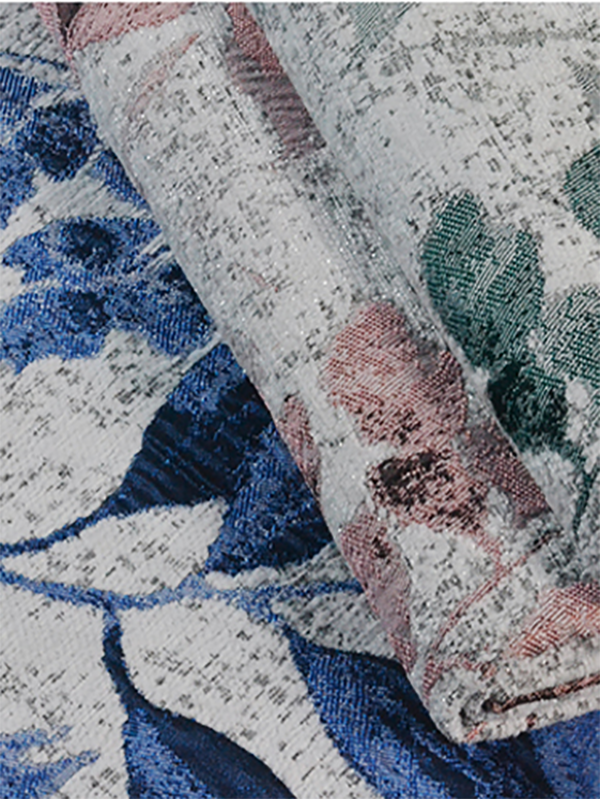
Because each warp thread is controlled independently — rather than in groups, as in conventional shaft weaving — a jacquard loom can produce effectively unlimited design complexity within the repeat. A shaft loom is limited in pattern capability by the number of shafts it has, typically 4 to 32, meaning all threads threaded to the same shaft must always move together. A jacquard head with 1,000 hooks can independently control 1,000 individual warp threads, allowing every thread to behave differently from its neighbor on every single pick. This is what makes detailed, naturalistic imagery, flowing curves, and non-repeating design fields possible in woven fabric — effects that are simply not achievable on shaft looms regardless of weaver skill.
The pattern in jacquard fabric emerges from controlled variation in weave structure across the cloth surface. Areas where warp floats predominate appear in the warp color and have a different surface sheen from areas where weft floats predominate, which appear in the weft color. By programming alternating weave structures — satin versus twill, for instance — across different zones of the design, the weave designer creates light-reflecting contrasts that give the fabric its characteristic visual depth and dimensionality without the use of any dye or print.
The Main Types of Jacquard Fabric and Their Characteristics
Jacquard is a weaving technique, not a fabric type, which means it can be applied across many different fiber types and cloth constructions. The result is a wide family of jacquard fabrics, each with distinct visual and tactile characteristics suited to different applications.
Damask
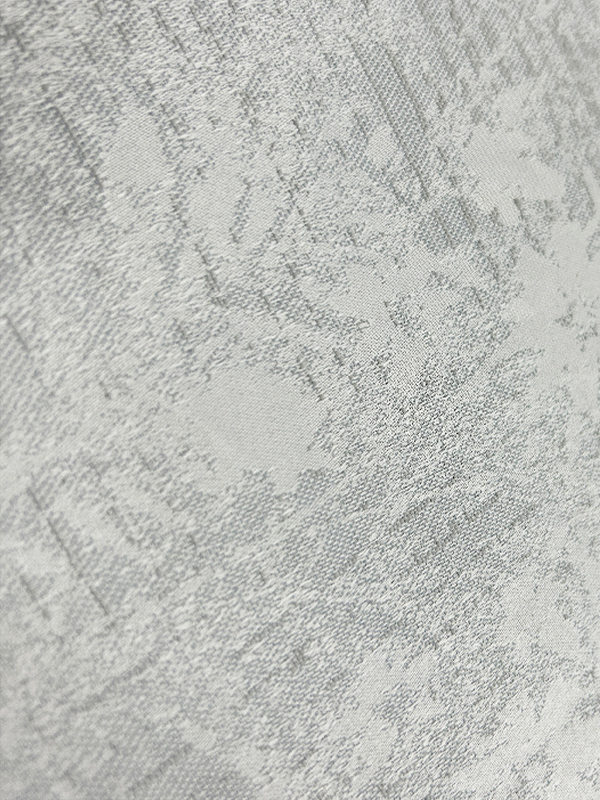
Damask is a single-color or two-color jacquard fabric in which the pattern is created by contrasting weave structures — typically satin weave for the figure and sateen weave for the ground, or vice versa. The pattern is reversible: when you flip damask fabric over, the figure and ground swap, but the design remains equally clear. Silk damask, linen damask, and cotton damask are all traditional forms; polyester damask is the most widely produced version today. Damask is used extensively in table linens, upholstery, drapery, and formal apparel where understated patterning in a single colorway is appropriate.
Brocade
Brocade is a multi-color jacquard fabric that incorporates supplementary weft threads — extra yarns that are not part of the base cloth structure — to introduce additional colors or textures that appear to be embroidered onto the fabric surface. Unlike damask, brocade is typically not reversible, as the supplementary weft threads float loosely on the reverse side of the fabric between their pattern appearances on the face. Historically woven in silk with gold or silver metallic threads, brocade is associated with luxury apparel, ceremonial dress, and decorative home textiles.
Matelassé
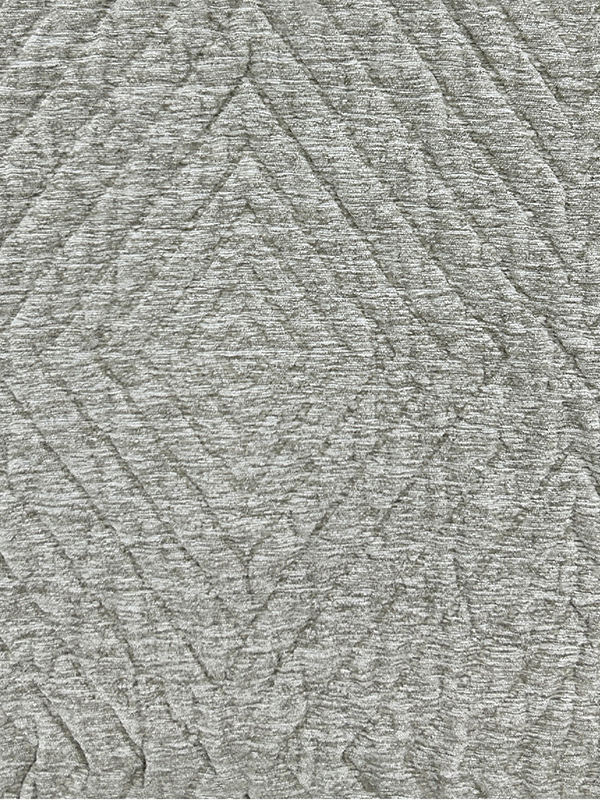
Matelassé is a double-cloth jacquard fabric in which two layers of fabric are woven simultaneously and selectively connected at certain points, creating a three-dimensional quilted or blistered surface appearance. The name comes from the French word for "padded" or "cushioned." Matelassé is used in upholstery, bedding, evening wear, and structured bags where surface texture and weight are design priorities. It is heavier and more structured than single-layer jacquard fabrics and tends to hold its shape well in constructed garments.
Tapestry Jacquard
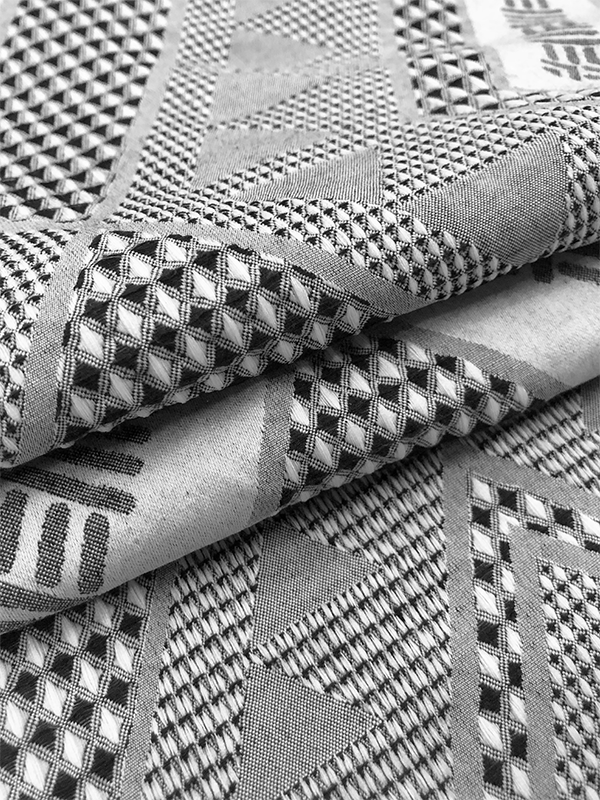
Tapestry jacquard fabrics use multiple weft colors to build up pictorial or geometric images across the cloth, similar in appearance to hand-woven tapestries but produced at industrial speed on computerized looms. The resulting fabric is typically heavier and stiffer than other jacquard types due to the density of the multi-color weft system. It is commonly used for wall hangings, decorative cushion covers, bags, and upholstery that requires a highly graphic, pictorial surface treatment.
Fiber Content and How It Affects Jacquard Fabric Performance
Because jacquard describes a weaving method rather than a material, the performance characteristics of any specific jacquard fabric depend heavily on the fiber from which it is made. The table below summarizes how common fiber choices affect the properties of jacquard cloth:
| Fiber | Hand Feel | Sheen | Care | Best Uses |
| Silk | Extremely soft, fluid | High natural luster | Dry clean recommended | Formal wear, luxury scarves |
| Cotton | Soft, matte, breathable | Low to moderate | Machine washable | Table linens, casual apparel |
| Polyester | Variable, often smooth | Medium to high | Easy care, machine wash | Upholstery, drapery, fashion |
| Viscose / Rayon | Soft, drapey | Moderate to high | Hand wash or dry clean | Blouses, linings, evening wear |
| Linen | Crisp, textured | Low | Machine washable, iron damp | Table cloths, suiting, home textiles |
Common Applications of Jacquard Fabric Across Industries
Jacquard fabric appears across a wide range of product categories, from everyday household items to high-end fashion and technical textiles. Its versatility stems from the fact that the weaving technique can be adapted to virtually any scale of pattern repeat, any combination of colors, and any fiber or yarn type.
- Fashion apparel: Jacquard fabrics are used in eveningwear, tailored jackets, blouses, skirts, and accessories where woven-in pattern adds visual richness without the weight or maintenance concerns of embellishment techniques like embroidery or beading.
- Home furnishings: Upholstery fabric for sofas and chairs, drapery panels, decorative cushion covers, and bed coverlets frequently use jacquard weaves because the structural pattern resists fading from light exposure and wear better than printed alternatives.
- Table and bed linens: Damask table linen remains a standard in formal dining and hospitality settings. Jacquard bed linen — particularly matelassé coverlets and woven cotton pillowcases — offers a premium alternative to plain weave or printed bedding.
- Accessories and bags: Woven jacquard ribbons, belts, and bag panels allow pattern complexity that would be prohibitively expensive to achieve through other decorative methods at comparable scale.
- Technical and industrial textiles: Jacquard weaving is also used to produce shaped preforms for composite materials in aerospace and automotive applications, where the ability to vary fiber orientation and density across a single woven panel provides structural advantages over uniform woven fabrics.
Practical Tips for Buying and Caring for Jacquard Fabric
When purchasing jacquard fabric, examining the reverse side of the cloth is one of the most reliable ways to assess quality. In a well-constructed jacquard, the pattern should be clearly readable from the back, and any floating threads on the reverse — particularly in brocade — should be evenly tensioned and not excessively long, as long floats snag easily in use. Hold the fabric up to light to check for even thread density across the pattern: thin or translucent areas indicate uneven tension during weaving, which will affect the fabric's durability and drape in the finished product.
For care, always follow the fiber-specific instructions on the label rather than assuming that all jacquard fabrics can be treated the same way. A polyester jacquard upholstery fabric is machine washable on a gentle cycle, while a silk brocade evening jacket requires dry cleaning to preserve both the fiber integrity and the structural pattern. When pressing jacquard fabrics at home, use a pressing cloth between the iron and the fabric face to protect the weave structure, and press on the reverse side where possible to avoid flattening the surface texture. For woven upholstery jacquards, periodic vacuuming with a soft brush attachment removes dust from the weave structure without distorting the surface, prolonging the fabric's appearance between professional cleanings.