English
 中文简体
中文简体 Español
 عربى
عربى
Content
The fabric used in your bedding affects far more than how a bed looks. It determines how warm or cool you sleep, how the sheets feel against your skin, how much upkeep they require, and how long they will last before wearing out. With so many fabric options available, from crisp cotton percale to silky sateen and cozy flannel, choosing the right one comes down to understanding how each material performs in real conditions. This guide breaks down the most common bedding fabrics and the practical factors that should guide your decision.
Common Bedding Fabric Types and Their Characteristics
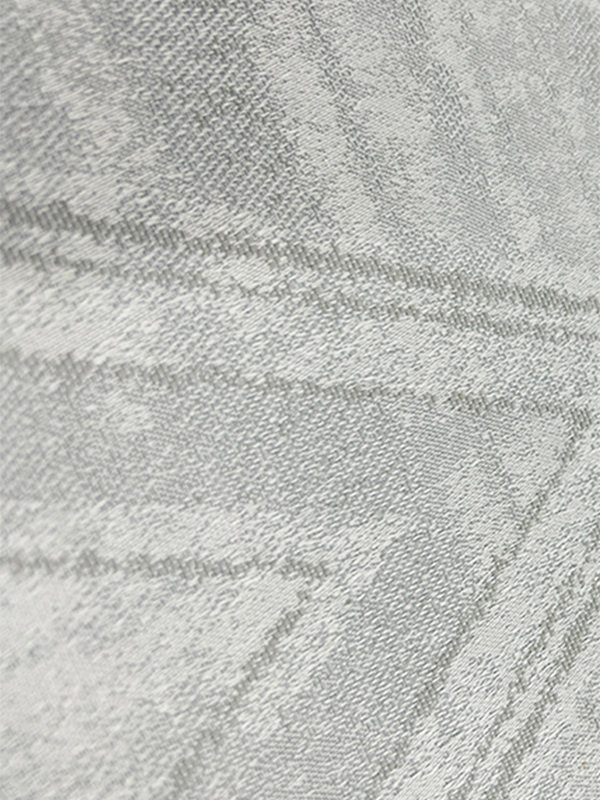
Bedding fabrics vary widely in fiber content, weave, and finish, all of which affect texture, breathability, and durability. Cotton remains the most widely used fiber due to its softness, breathability, and ease of care, but how it is woven changes the final feel significantly. Percale weave produces a crisp, matte finish similar to a well-pressed dress shirt, while sateen weave uses a different thread pattern that creates a smoother, slightly glossy surface with a silkier drape.
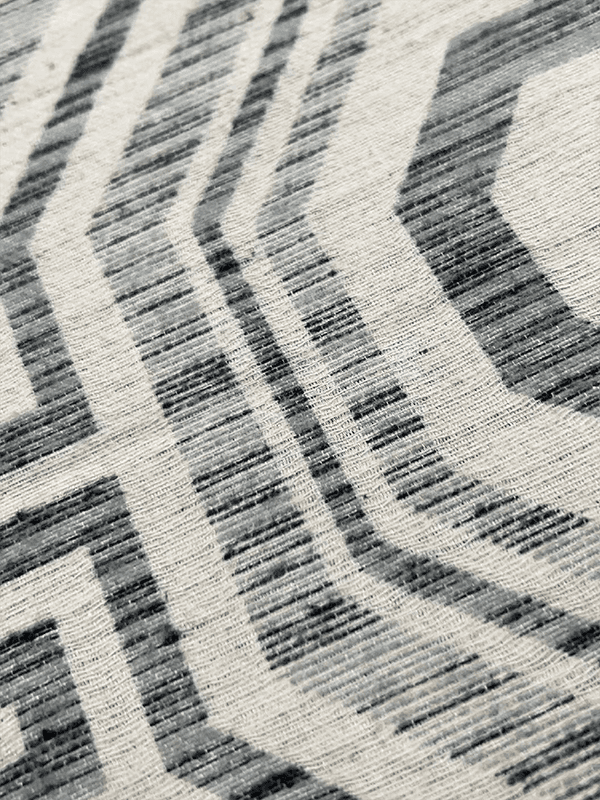
Linen, made from flax fibers, is prized for its exceptional breathability and moisture-wicking properties, making it a strong choice for hot sleepers or humid climates. It has a naturally textured, relaxed look and becomes softer with each wash, though it wrinkles more easily than cotton. Microfiber, a synthetic alternative made from tightly woven polyester fibers, is valued for its affordability, wrinkle resistance, and quick-drying properties, though it does not breathe as well as natural fibers and can trap heat during warmer months.
| Fabric | Feel | Best For |
| Cotton Percale | Crisp, matte | Warm sleepers, humid climates |
| Cotton Sateen | Smooth, silky | Those who prefer a soft, luxurious drape |
| Linen | Textured, relaxed | Hot sleepers, breathability |
| Flannel | Soft, brushed | Cold climates, winter warmth |
| Microfiber | Smooth, lightweight | Budget-conscious, easy care |
Understanding Thread Count and Weave
Thread count, which refers to the number of threads woven into one square inch of fabric, is often used as a shorthand for quality, but it is not the full picture. A thread count between 200 and 400 is generally sufficient for soft, durable cotton sheets, and counts significantly higher than this can sometimes indicate manipulated thread counting rather than genuinely finer fabric. What matters just as much as the number itself is the quality of the cotton fibers used, with long-staple cotton varieties like Egyptian or Pima producing smoother, stronger threads than shorter-staple alternatives.
Weave type also plays a defining role in how the fabric behaves. Percale weave uses a simple one-over-one-under pattern that creates a tight, breathable fabric that stays cool and crisp. Sateen weave uses a four-over-one-under pattern, which exposes more thread surface to create a softer, shinier finish, but this construction can make the fabric slightly less breathable and more prone to snagging over time.
What to Check Beyond the Thread Count Number
- Fiber length, since long-staple cotton produces smoother, more durable fabric
- Weave type, which affects breathability and surface texture
- Fabric weight (GSM), indicating overall density and durability
- Finishing process, which can affect softness and shrinkage over time
Matching Fabric to Climate and Sleep Habits
Choosing bedding fabric should factor in your typical sleep environment and personal temperature preferences, since the wrong choice can lead to overheating or feeling too cold overnight. Hot sleepers and those in warmer climates generally benefit from breathable, moisture-wicking options like linen or percale cotton, both of which allow air to circulate and help pull moisture away from the skin. These fabrics also tend to feel cooler to the touch, which can make falling asleep more comfortable during summer months.
For colder climates or those who tend to feel cold at night, flannel is a popular choice due to its brushed surface, which traps air and creates a warming effect. Flannel weight is measured in ounces per square yard, and higher weights, typically above 5 ounces, provide more warmth and durability than lighter versions. Sateen weave cotton, while not specifically designed for warmth, tends to retain slightly more heat than percale due to its denser weave structure, making it a reasonable middle-ground option for those who run cold but want a smoother texture than flannel provides.
Caring for Bedding Fabric to Maximize Its Lifespan
Proper care significantly extends the life of bedding fabric and helps maintain its original softness and appearance. Washing sheets in cold or warm water, rather than hot, helps preserve fiber strength and prevents excessive shrinkage, particularly in natural fibers like cotton and linen. Overloading the washing machine should be avoided, since sheets need enough space to move freely for a thorough, even clean; overcrowding can also cause increased friction between fabric layers, accelerating wear.
Drying practices matter just as much as washing. Line drying or using a low-heat tumble dry setting helps prevent the fiber breakdown that comes from repeated high-heat exposure, which is one of the leading causes of premature thinning and pilling in cotton sheets. For linen bedding specifically, slight wrinkling after washing is normal and part of its characteristic texture, so it typically does not require ironing unless a smoother look is preferred.
Simple Habits That Extend Fabric Life
- Wash in cold or warm water rather than hot to reduce fiber damage
- Avoid overloading the washer to reduce friction and uneven wear
- Use low heat when tumble drying, or air dry when possible
- Rotate between multiple sheet sets to reduce wear on any single set
- Trim fingernails and jewelry contact points that can snag delicate weaves
Considerations for Sensitive Skin and Allergies
For those with sensitive skin or allergies, fabric choice can meaningfully affect comfort and skin health. Tightly woven fabrics, such as percale cotton, tend to be more resistant to dust mites and allergen buildup due to their dense thread structure, which limits the space available for particles to settle. Organic cotton bedding, grown and processed without synthetic pesticides or harsh chemical treatments, is another option worth considering for those prone to skin irritation, since it avoids the chemical residues sometimes found in conventionally processed fabrics.
Bamboo-derived fabrics, often labeled as bamboo lyocell or bamboo viscose, have also become popular for sensitive skin due to their naturally smooth fiber structure and moisture-wicking properties, which can help reduce irritation caused by trapped sweat or friction during the night. Regardless of fabric choice, washing new bedding before first use helps remove any manufacturing residues and reduces the likelihood of initial skin reactions.
Selecting the right bedding fabric ultimately depends on balancing comfort, climate, and maintenance preferences with your budget. Whether you prioritize the crisp coolness of percale, the luxurious drape of sateen, the breathability of linen, or the warmth of flannel, understanding how each fabric performs allows you to build a bedding collection that genuinely improves the quality of your sleep.