English
 中文简体
中文简体 Español
 عربى
عربى
Content
Why Bedding Fabric Choice Affects Sleep Quality
The fabric used in sheets, duvet covers, and pillowcases plays a direct role in temperature regulation, comfort, and how long the bedding lasts through repeated washing. Different fibers absorb and release moisture at different rates, trap or release heat differently, and vary widely in softness and durability. Choosing the wrong fabric for your climate or sleep habits can lead to night sweats, discomfort, or bedding that wears out within a year. Understanding the properties of common bedding fabrics helps buyers make a decision based on function rather than marketing claims alone.
Common Bedding Fabrics and Their Core Properties
Bedding fabrics generally fall into a handful of categories, each with distinct advantages depending on the intended use case, from everyday sheets to seasonal duvet covers.
Cotton
Cotton remains the most widely used bedding fabric due to its breathability, softness, and ease of care. Within cotton, thread count and weave type significantly affect the final feel. Percale weaves produce a crisp, cool, matte finish ideal for warm sleepers, while sateen weaves create a smoother, slightly glossy surface with a subtle sheen and warmer feel. Long-staple cotton varieties, such as Egyptian or Pima cotton, produce stronger, smoother yarns that resist pilling better than standard short-staple cotton.
Linen
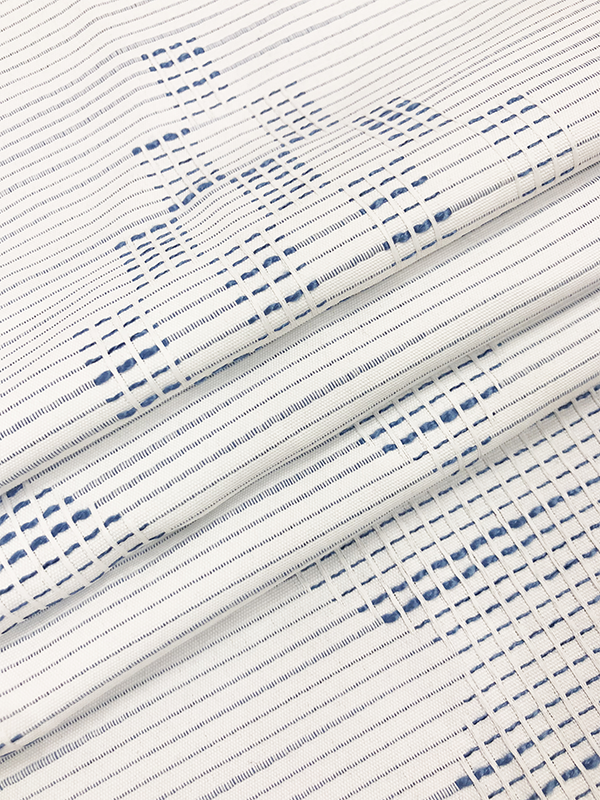
Made from flax fibers, linen is highly breathable and moisture-wicking, making it a strong choice for hot sleepers or humid climates. Linen has a naturally textured, relaxed appearance and becomes softer with every wash. It is also more durable than cotton in many cases, though it typically costs more and wrinkles easily, which some buyers view as part of its casual aesthetic rather than a flaw.
Microfiber
Microfiber is a synthetic fabric, usually made from polyester, valued for its affordability, wrinkle resistance, and quick-drying properties. It tends to trap more heat than natural fibers, making it less ideal for hot sleepers, but its low cost and durability make it a practical choice for guest rooms, children's bedding, or frequent travelers who need easy-care sheets.
Bamboo Viscose
Derived from bamboo pulp processed into viscose fibers, this fabric is known for a silky feel, strong moisture-wicking ability, and natural antibacterial properties. It performs well for sensitive skin and warm sleepers but generally requires gentler washing to preserve its softness and shape over time.
Flannel
Flannel is a brushed cotton fabric designed to trap heat, making it a popular choice for cold climates or winter bedding. Its weight is measured in ounces per square yard, with higher weights indicating denser, warmer fabric. While excellent for warmth, flannel is generally too heavy and insulating for use in warm seasons or hot climates.
Comparing Bedding Fabrics at a Glance
The table below summarizes how common bedding fabrics compare across breathability, durability, and ideal use cases to help simplify the decision-making process.
| Fabric | Breathability | Best For |
| Cotton Percale | High | Warm sleepers, year-round use |
| Cotton Sateen | Moderate | Soft, silky feel with slight warmth |
| Linen | Very High | Hot climates, humid environments |
| Microfiber | Low | Budget bedding, easy care |
| Bamboo Viscose | High | Sensitive skin, hot sleepers |
| Flannel | Low | Cold climates, winter use |
Understanding Thread Count and Fabric Weight
Thread count refers to the number of threads woven into one square inch of fabric, and while higher numbers are often marketed as better quality, this is only true within a reasonable range. Thread counts between 200 and 400 typically offer the best balance of softness, breathability, and durability for cotton sheets. Beyond 400, manufacturers often use multi-ply threads to inflate the number without meaningfully improving quality, which can actually reduce breathability by making the weave denser and less airy.
For fabrics like flannel, weight in grams per square meter (GSM) matters more than thread count. Flannel sheets typically range from 4 to 6 ounces per square yard, with heavier weights providing more warmth but less breathability.
Care and Maintenance Tips for Longer-Lasting Bedding
Proper care significantly extends the lifespan of bedding fabric regardless of material type. Following a few consistent practices can prevent premature wear, pilling, and fading.
- Wash bedding in cold or lukewarm water to reduce fiber breakdown and color fading over time
- Avoid overloading the washing machine, as excess friction between fabrics accelerates pilling and thinning
- Skip fabric softener on natural fibers like cotton and linen, since it can coat fibers and reduce breathability
- Tumble dry on low heat or line dry when possible, as high heat weakens fibers and shortens fabric lifespan
- Rotate between two or more sets of bedding to reduce wear frequency on any single set
Matching Fabric to Your Sleep Environment
The best bedding fabric ultimately depends on individual sleep temperature preferences and the local climate. Hot sleepers or those in warm, humid regions generally benefit most from linen or cotton percale due to their superior airflow and moisture control. Those in colder climates may prioritize flannel or sateen weaves for added warmth and coziness. Buyers with sensitive skin often find bamboo viscose or high-quality long-staple cotton gentler against the skin, while those seeking budget-friendly, low-maintenance options may find microfiber a practical starting point. Testing a single set before committing to a full bedding wardrobe can help confirm comfort and performance before making a larger investment.