 English
 中文简体
中文简体 Español
 عربى
عربىNews
Home / News / Industry News / Cotton Fabric Guide: Types, Weaves, and How to Source It Right for B2B

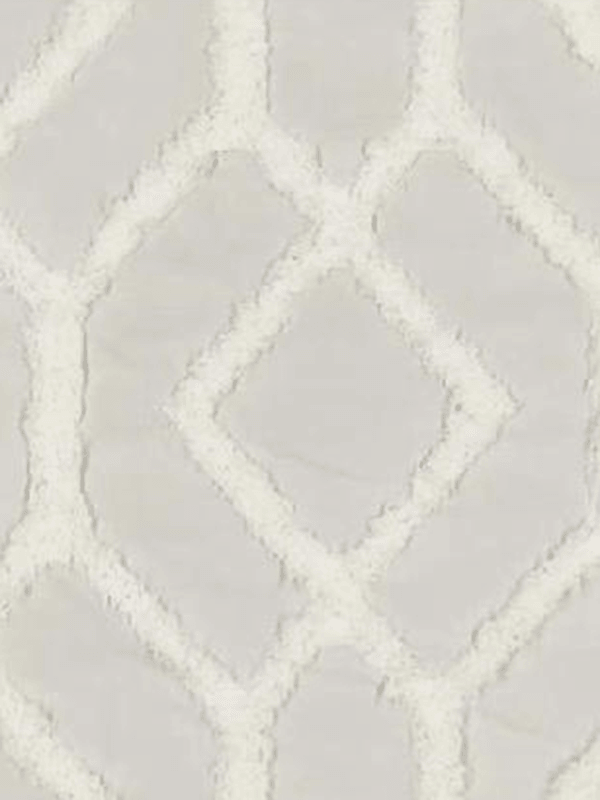
Cotton Fabric Guide: Types, Weaves, and How to Source It Right for B2B
Oct 08,2026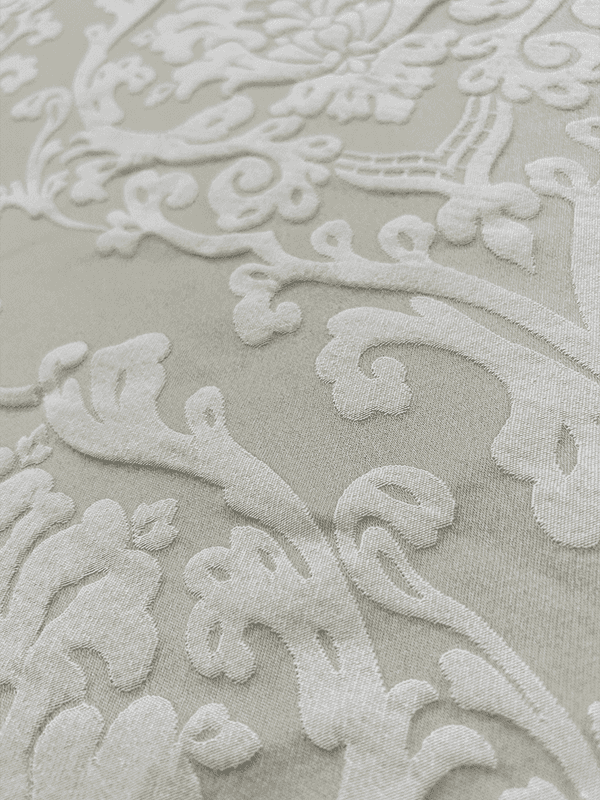
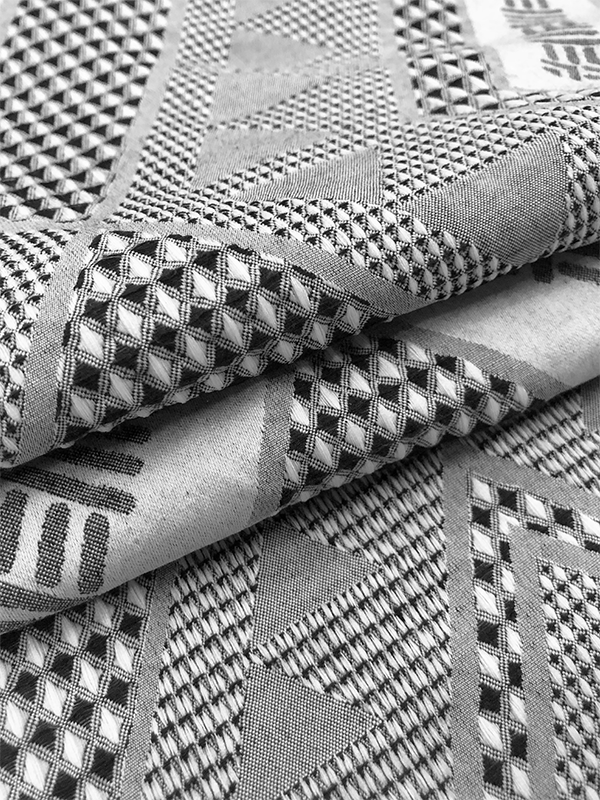
Black and White Diamond Patterned Bedding Fabric | Custom Waffle Weave
Sep 29,2026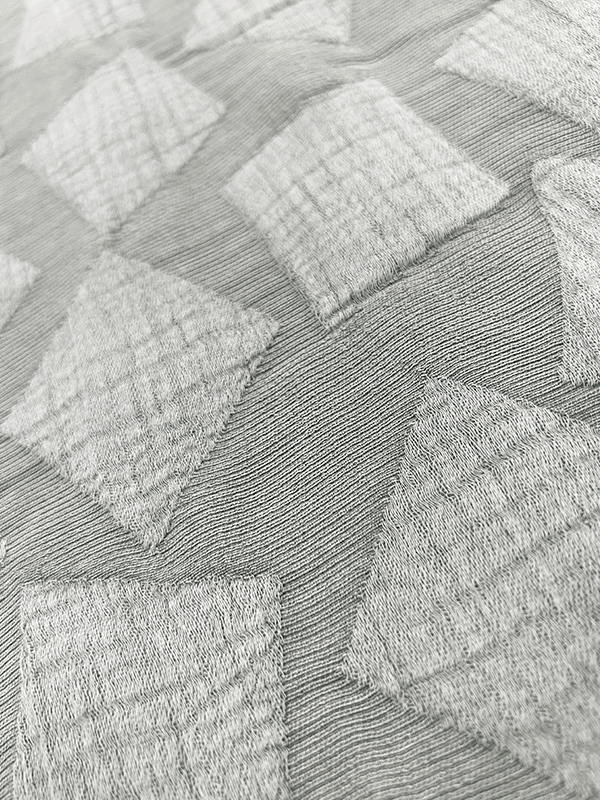
Cotton and Polyester Fabric: A Complete Guide to Blends, Benefits, and Care
Sep 21,2026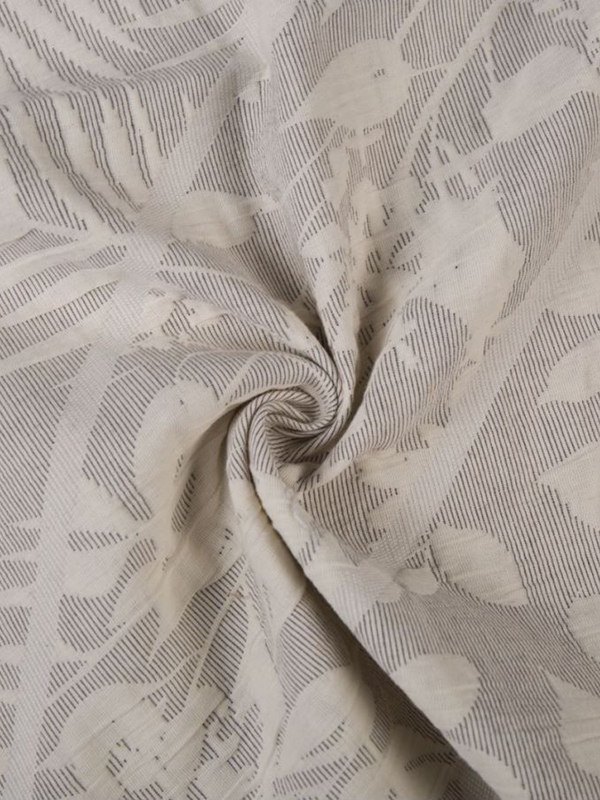
Bedding Fabric Explained: Cotton, Polyester & Blends for Buyers and Manufacturers
Sep 15,2026
Bedding Fabric Guide: Cotton, Polyester, and Blended Options for Buyers
Sep 08,2026Content
Walk through any bedding showroom, hotel suite, or soft furnishing studio and you will find cotton fabric somewhere close at hand. It is the material buyers return to season after season, not because it is fashionable, but because it behaves predictably: it breathes, it absorbs, it softens with every wash, and it accepts dye, print, and weave variation with remarkable patience.
At Zhejiang OSD Textile Co., Ltd., we have been weaving cotton and cotton-blend fabrics since 2006, and the questions we hear from overseas buyers have barely changed in two decades: which cotton, which weave, which weight, and how will it behave once it is cut and sewn into a finished product? This guide answers those questions from a factory floor perspective.
Cotton fabric is woven or knitted from the natural cellulose fibres that grow inside the boll of the cotton plant. That natural origin explains most of its behaviour. Cellulose loves water, so cotton absorbs moisture readily and releases it into the air, which is why cotton bedding feels cooler than polyester on a warm night. The fibre surface is smooth and non-irritating, so it sits comfortably against skin, and it holds dye exceptionally well, allowing both deep solid shades and fine printed detail.
Cotton is not perfect. It wrinkles because the fibres have little natural elasticity, and it can shrink during the first wash if the cloth has not been sanforised or pre-shrunk. Mercerising, a caustic treatment that swells and straightens the fibre, improves lustre, strength, and dye uptake at the same time. Knowing how a mill handled these steps matters far more than the word "cotton" on a label.
Two fabrics with identical composition can differ sharply in cost and performance depending on how many production steps were applied. The sequence below is the one we follow on our own lines.
Weave structure is the single most useful variable for a buyer to master. Two cloths can share the same fibre, yarn count, and weight and still feel entirely different because of how the threads cross.
| Weave | Look and Hand | Where It Works Best |
|---|---|---|
| Plain weave / poplin | Tight, flat, crisp | Bed sheets, pillow shells, structured cushions |
| Twill | Diagonal lines, denser and stronger | Upholstery, durable bedding, workwear-style fabric |
| Sateen | Smooth, lustrous, fluid | Premium bed linen and decorative panels |
| Waffle | Honeycomb cells, airy and textured | Blankets, throws, towels |
| Crepe | Crinkled surface from high-twist yarn | Textured bedding and cushion covers |
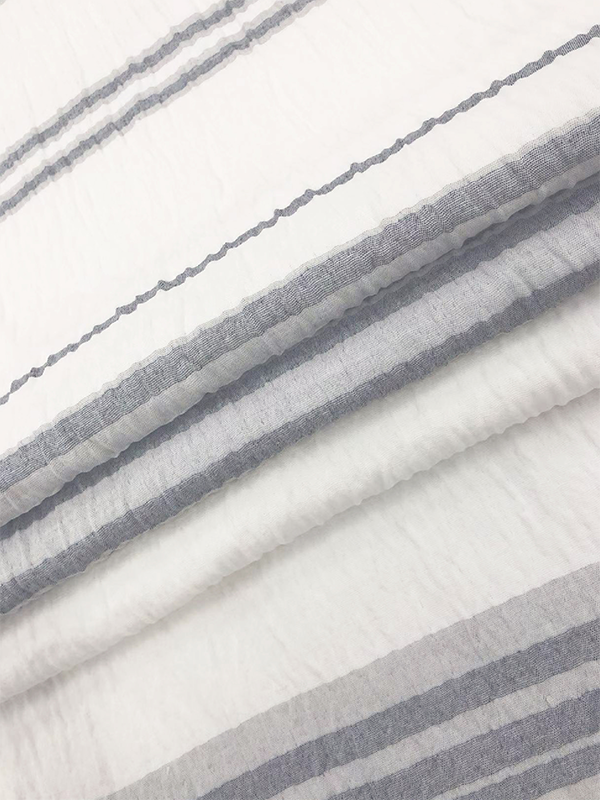
| Gauze | Loose, open, soft, double layered | Summer blankets and lightweight wraps |
| Chenille | Plush pile yarn, heavy and warm | Blanket series, throws, sofa covers |
| Jacquard | Pattern woven into the cloth itself | Decorative bedding, curtains, statement upholstery |
Composition decisions usually come down to the care story you want to tell your own customers. Pure cotton wins on comfort and breathability; blends win on wrinkle recovery, shrinkage control, and price stability. Neither is automatically better.
| Property | 100% Cotton | Poly-Cotton Blend | 100% Polyester |
|---|---|---|---|
| Breathability | High | Moderate | Low |
| Softness on skin | High | Good | Moderate |
| Wrinkle recovery | Low | Good | High |
| Shrinkage risk | Higher unless sanforised | Moderate | Low |
| Durability | Good, stronger when wet | Very good | Excellent |
| Typical use | Bedding, blankets, jacquard | Bedding, blanket series | Bedding, curtains, upholstery |
For curtains, polyester and polyester-linen blends remain the practical choice because they hold shape, resist fading, and drape heavily. For bedding and blankets, cotton and poly-cotton dominate, and the choice usually follows the retail price point you are targeting.
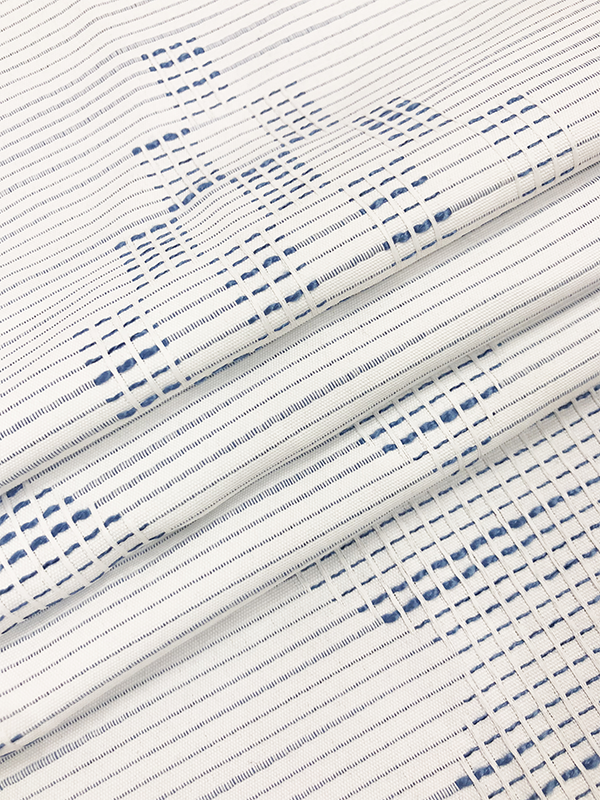
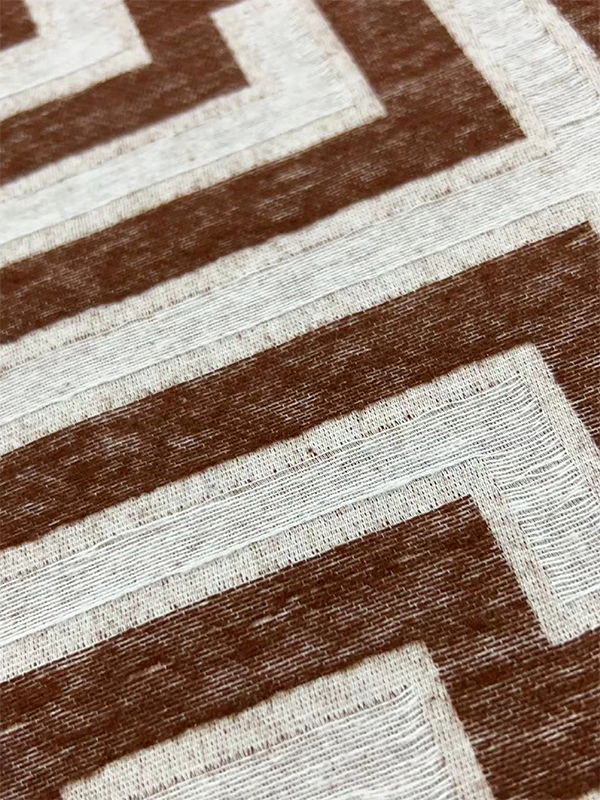
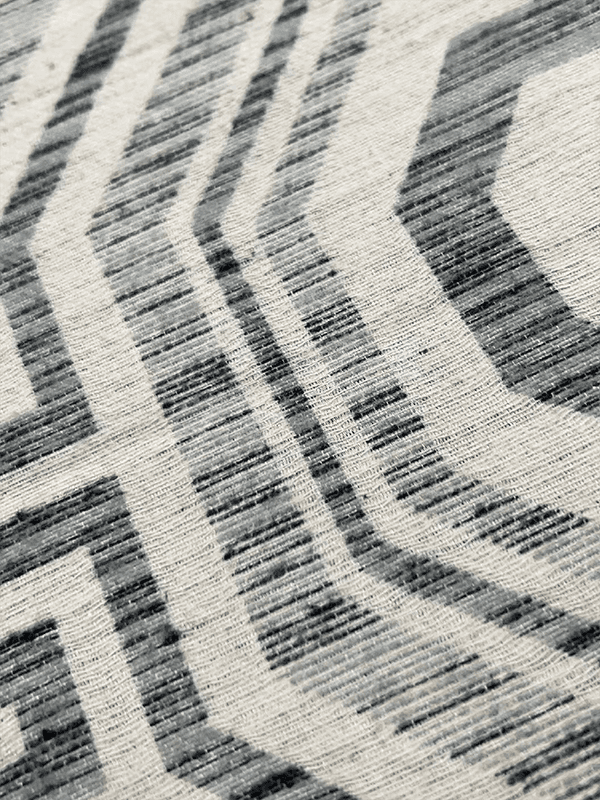
Bedding is where cotton earns its reputation. Our 100% cotton bedding range leans on yarn-dyed structure rather than flat print, which gives the finished duvet cover a surface that stays interesting after washing. Designs such as checkered interwoven corrugated brackets and square-and-circular four-grid interwoven cotton are built for this purpose, with the texture produced by the weave itself rather than by a surface print.
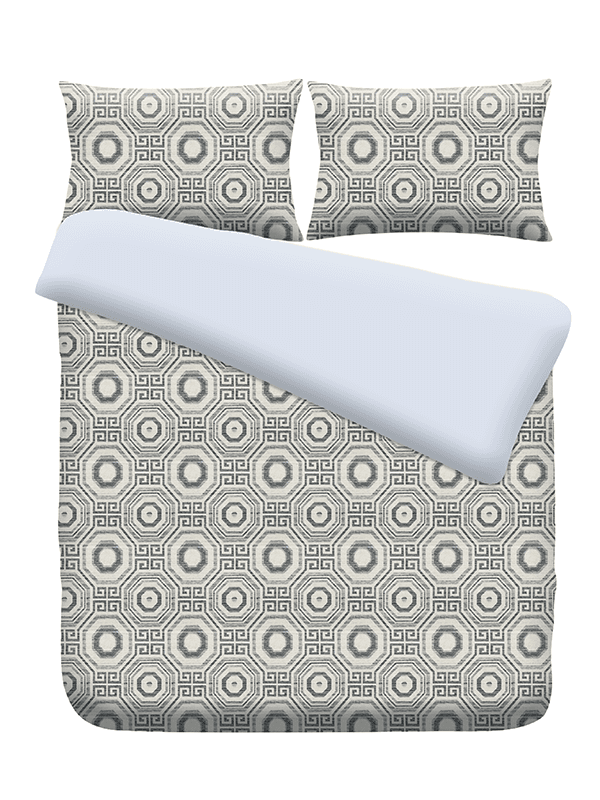 Square and circular four grid interwoven cotton bedding fabricCOMPOSITION: 100% CottonView Product →
Buyers who need a softer hand usually move to sateen or crepe constructions, while those chasing a warmer, more tactile feel often choose waffle or chenille surfaces.
Our home textile programme is largely built around blanket series, where weight and warmth matter more than drape. Pure cotton options include dotted diamond grid and interlocking constructions, both of which hold a quilted or bound edge neatly.
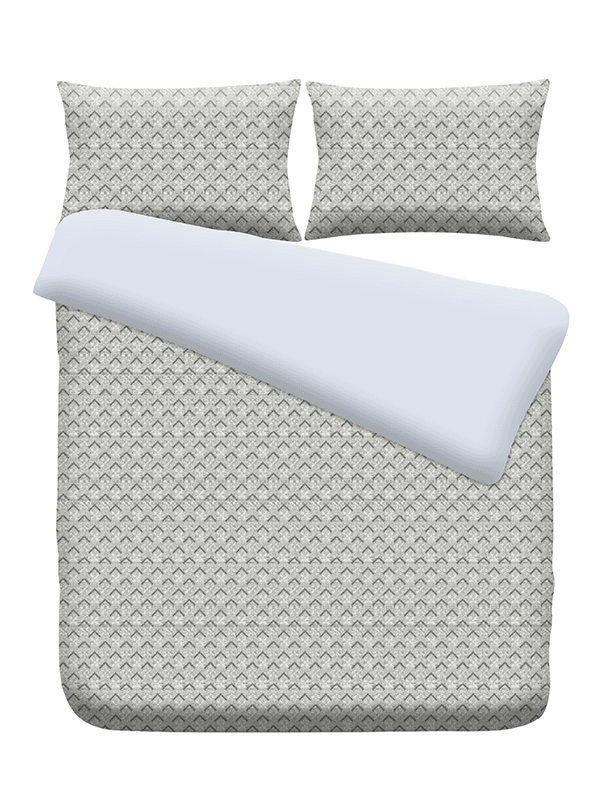 Dotted diamond grid cotton home textile fabricCOMPOSITION: 100%cottonView Product →
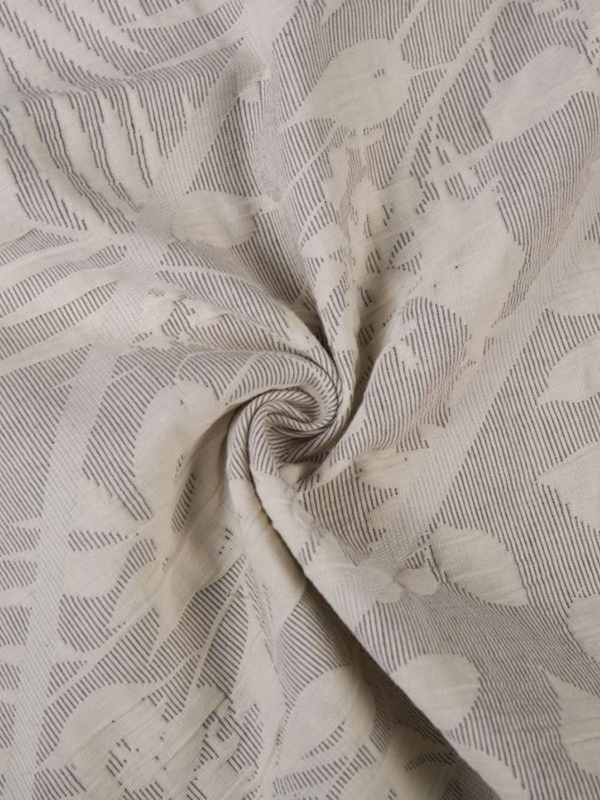
Jacquard is treated as its own craft category in our catalogue because the pattern lives inside the cloth. Air-layer jacquard constructions combine a raised surface with a lighter body, which suits decorative bedding and soft furnishing panels.
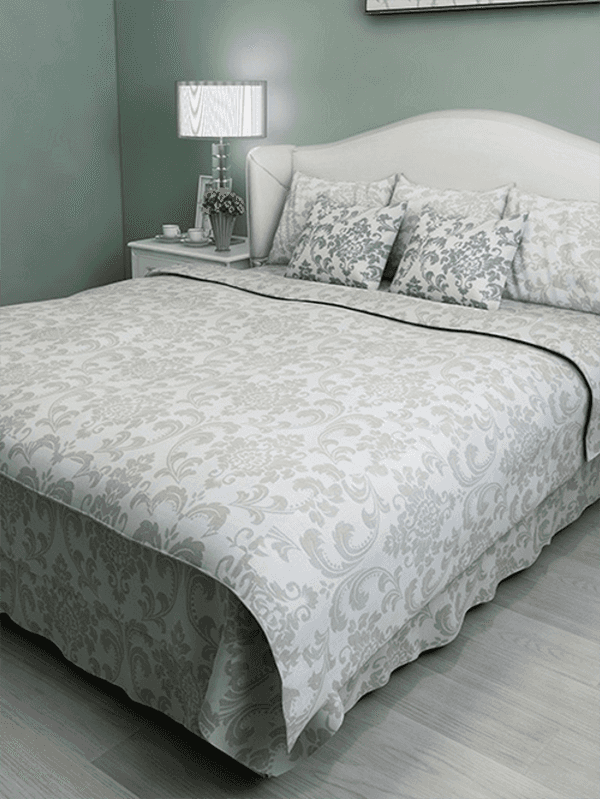 European jacquard air layer all cotton jacquard fabricCOMPOSITION: 100%cottonView Product →
Decorative cotton jacquard can work beautifully on curtain panels, especially where a matte, natural look is wanted, although most curtain programmes still rely on polyester and polyester-linen for dimensional stability. Our sofa fabric selection currently focuses on specialty yarn textures and interwoven structures rather than plain cotton, which reflects what upholstery manufacturers actually ask for.
Composition alone tells you very little. These are the points worth confirming before a purchase order is issued.
If you are still weighing one grade against another, this comparison of cotton fabric grades walks through the trade-offs in more detail.
Care instructions are part of the product specification, not an afterthought. Cotton generally prefers a cool or warm machine wash, a mild detergent, and a low tumble dry or line dry, since excessive heat is what causes most shrinkage complaints. Overloading the drum increases abrasion and pilling risk, and prolonged direct sunlight will slowly dull even well-dyed shades.
For blankets and heavier constructions, gentle cycles and air drying preserve the pile and the shape of the weave. We recommend agreeing the care label wording with your buyer during sampling so that the test results, the label, and the actual fabric behaviour all match.
It can, typically between two and five percent in the first wash, depending on construction and finishing. Sanforised or pre-shrunk cotton reduces that figure substantially, which is why we confirm shrinkage targets at the sampling stage.
Not always. Pure cotton offers the best breathability and hand feel, while poly-cotton blends resist wrinkling and hold their size more reliably. The right answer depends on your price point and your customer's laundering habits.
Give the composition, yarn count or thread count, weight in GSM, usable width, shrinkage limit, colour standard, and a drawing or sample swatch. The more precisely these are stated, the fewer surprises appear in bulk production.
Yes. We develop from customer drawings, colour references, or physical samples, and our design department also releases new constructions every month for buyers who prefer to start from an existing base cloth.
Zhejiang OSD Textile is a fabric factory manufacturer rather than a trading intermediary. Our mill has been operating since 2006 and runs more than 200 machines, which allows us to quote factory-direct prices and to control lead times through our own production rather than through third parties. We export to the United States, Europe, Australia, India, and many other markets, and our catalogue covers bedding fabric, curtain fabric, sofa fabric, home textile fabric, and jacquard fabric, each available in 100% cotton, 100% polyester, and blend options.
Because we make the cloth ourselves, we can adjust yarn, weave, weight, and finish to suit a specific programme instead of forcing you to choose from a fixed list. Our independent design team adds new patterns monthly, and our OEM and ODM work follows whatever route suits your project: your artwork, your sample, or our in-house development.
If you are planning a cotton bedding, blanket, or jacquard programme, the most efficient next step is simply to send us your drawings, a colour reference, or a swatch you already like. We will come back with a construction proposal, a price, and a realistic sampling timeline, and we will tell you honestly if a different composition or weave would serve your product better.
Cotton has survived every fibre trend of the past century because it does its job quietly and well. Our role is to make sure the roll you receive does exactly what the sample promised.
Your email address will not be published. Required fields are marked *
 Phone: +86-13362131543
 E-mail: [email protected]
E-mail: [email protected]
 Address: No 3 Zhongyuan RD.,Shenshi Lianmeng Industrial Zone,Xucun Town,Haining,Zhejiang,China
Copyright © Zhejiang OSD Textile Co., Ltd. All Rights Reserved.
