 English
 中文简体
 Español
 عربى
News
Home / News / Industry News / Hexagonal Interwoven Polyester Cotton Bedding Fabric: A Practical Buyer's Guide

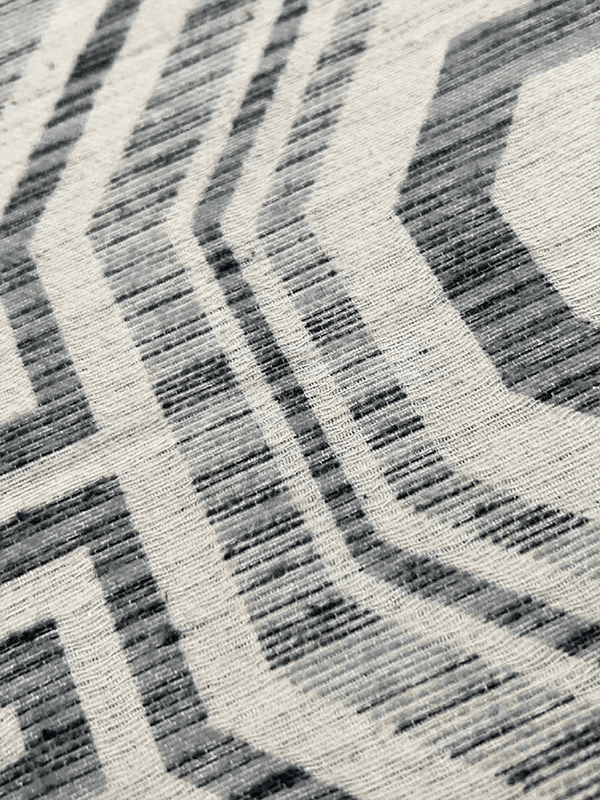
Hexagonal Interwoven Polyester Cotton Bedding Fabric: A Practical Buyer's Guide
Nov 03,2026
Inside a Cotton Fabric Factory: How Cotton Becomes Fabric and How Buyers Source It
Oct 26,2026
Cotton Fabric Suppliers: A Practical Sourcing Guide for Home Textile Buyers
Oct 19,2026
Curtain Fabric Guide: Choosing the Right Material, Weave, and Drape for Windows
Oct 13,2026
Cotton Fabric Guide: Types, Weaves, and How to Source It Right for B2B
Oct 08,2026Content
Hexagonal interwoven polyester cotton bedding fabric is one of those materials that catches the eye before it is even touched. The repeating geometry gives a bed a clean, modern rhythm, while the polyester-cotton blend keeps the fabric practical for everyday use. For bedding brands, importers, and product developers, it offers a useful middle ground: more visual character than a plain weave, but less restrictive than a large-scale print or a highly specialized jacquard.
At Zhejiang OSD Textile Co., Ltd., we have worked with woven home textile fabrics since 2006. Our experience sits in the everyday details that matter to bedding buyers: how a weave reflects light, how a blend feels against the skin, how a pattern repeats across a cut panel, and how a fabric behaves after finishing and washing. That practical view is useful when evaluating a geometric design like hexagonal interwoven polyester cotton bedding fabric.
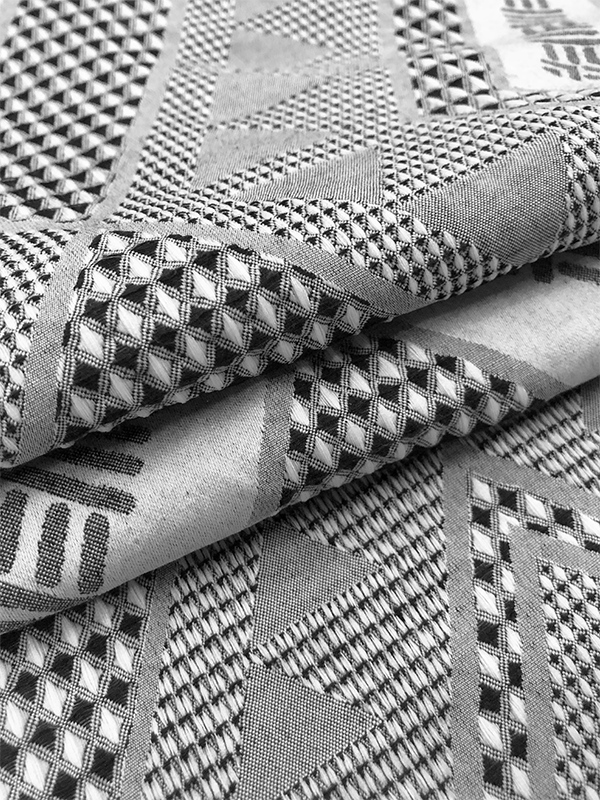
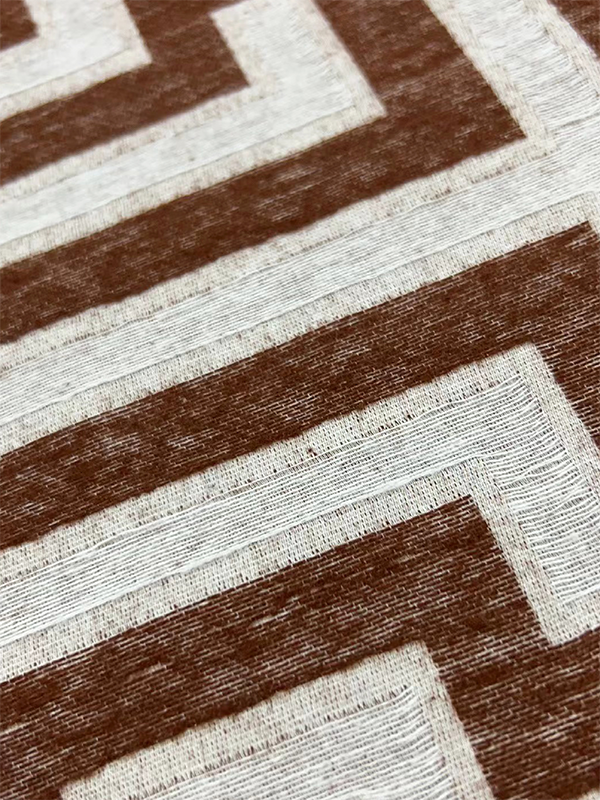
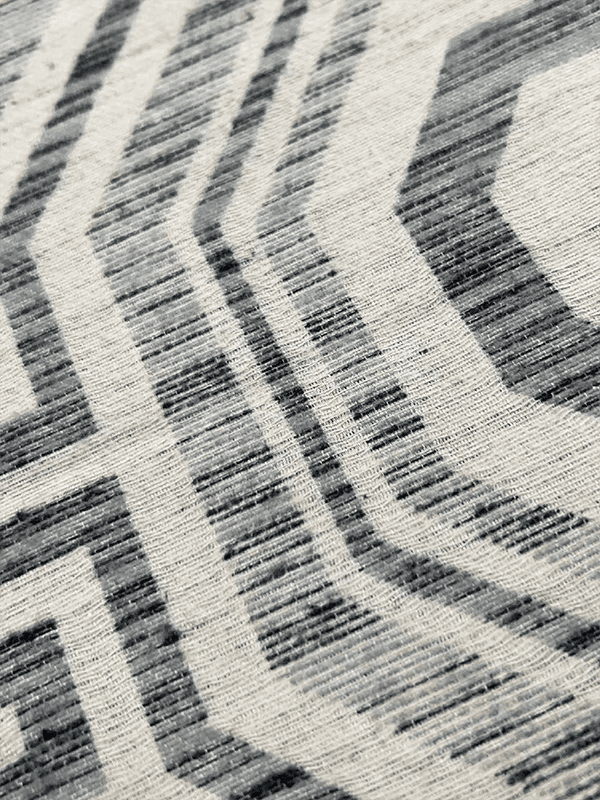
 Hexagonal Interwoven Polyester-Cotton Bedding Fabric OSD23649Geometric woven bedding fabric in 40% polyester and 60% cotton, 370gsm and 270cm wide, worth viewing for its neat hexagon-and-trapezoid pattern and blend performance.View Product →
The name describes both the look and the construction. “Hexagonal interwoven” refers to a woven arrangement in which yarns create a six-sided geometric effect across the surface. Depending on the weave plan, the hexagons may appear as fine outlines, soft filled shapes, or a more textured honeycomb-like pattern. The polyester-cotton blend brings together the smoothness and moisture response associated with cotton and the strength, shape retention, and color stability associated with polyester.
This is not a printed pattern applied after weaving. The design comes from the interlacing of yarns, so the surface has a subtle depth that changes with viewing angle and lighting. That makes it especially suitable for duvet covers, pillowcases, bed runners, and coordinated bedding accessories where a quiet geometric effect is more desirable than a bold print.
| Feature | Practical benefit for bedding |
|---|---|
| Woven hexagon structure | Creates visual depth without relying on surface printing |
| Polyester-cotton blend | Balances softness, strength, and dimensional stability |
| Repeating geometric scale | Works well for matching pillowcases, sheets, and accessories |
| Textured surface interest | Adds character while remaining suitable for modern and transitional interiors |
| Custom color potential | Supports neutral, tonal, or contrast-led bedding ranges |
| Care-friendly blend | Generally easier to maintain than delicate specialty fabrics |
Bedding has to do more than look good in a product photo. It has to feel comfortable, tolerate repeated washing, hold its shape, and remain consistent from one production batch to the next. A hexagonal interwoven polyester-cotton fabric can address those needs when the construction and finishing are properly controlled.
Polyester-cotton blends are popular because they soften the extremes of each fiber. Cotton contributes a natural, breathable character, while polyester helps the fabric resist excessive wrinkling and maintain a smooth surface. The weave also matters. A tighter interwoven structure can feel crisp and supportive, while a lighter construction with finer yarns can feel smoother and more fluid. Buyers should always confirm the intended hand feel before approving a bulk order.
Geometric woven fabrics are often chosen for their ability to keep a clean appearance over time. The polyester portion helps the bedding retain its shape after washing, and the interwoven pattern can help mask the small surface changes that naturally occur with regular use. This does not replace good finishing or quality control, but it does make the fabric a sensible option for everyday bedding collections.
The hexagon motif can be subtle or pronounced. A small-scale repeat may read almost like a textural solid, while a larger repeat becomes the main visual feature of the bed. Color choice has a strong effect as well: tone-on-tone yarns create a quiet, tailored look, while two-color or shadowed effects give the hexagon more definition. The way yarns cross and reflect light changes both texture and appearance, as we explain in our guide to how weave affects bedding fabric texture.
When evaluating hexagonal interwoven polyester cotton bedding fabric, it helps to look beyond the first sample. The most successful programs are built on clear specifications that both the buyer and the mill understand in the same way. A practical review should cover pattern scale, repeat alignment, blend ratio, yarn quality, finishing, and performance expectations.
It is also useful to compare the geometric effect with other woven designs in the same collection. A hexagon may serve as the main pattern, while a softer floral or irregular motif can support it in coordinating pillowcases or throws.
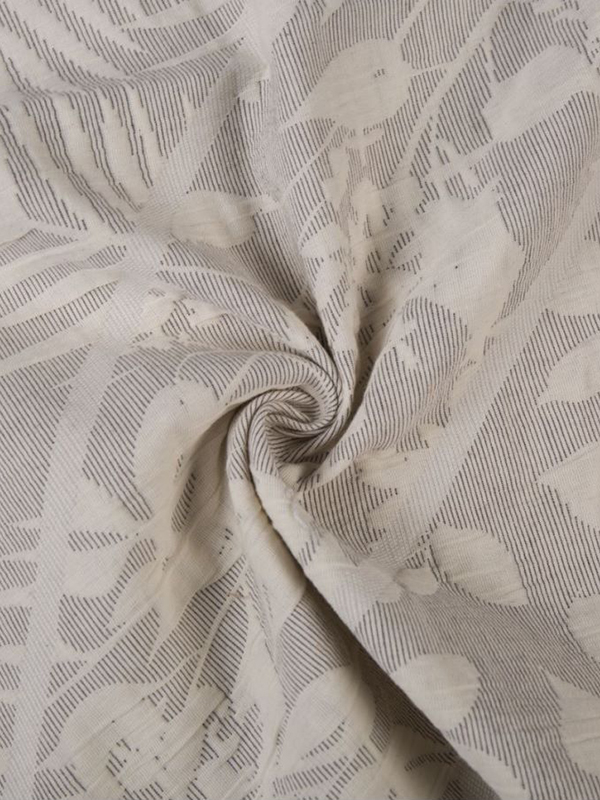
 Five-Petal Floral Polyester-Cotton Bedding Fabric OSD23653Floral bedding fabric in 40% polyester and 60% cotton, 370gsm and 270cm wide, worth viewing for its gray-white garden-inspired motif and coordinating potential.View Product →
Finishing has a direct effect on how the fabric feels and performs. A well-controlled finish can improve smoothness, reduce excess surface friction, and help the bedding retain a neat appearance after packing and transport. Care instructions should match the actual fabric specification rather than a generic label.
For bedding programs, the goal is consistency. A fabric that looks excellent in a showroom but changes noticeably after the first home wash is not a reliable commercial choice. Sampling, testing, and clear communication at the development stage are what protect the final product.
As a fabric factory manufacturer, we work with bedding buyers who need both design variety and practical production support. Our product range includes cotton, polyester, and polyester-cotton bedding fabrics, along with jacquard, curtain, sofa, and home textile fabrics. For buyers developing a geometric bedding story, our bedding fabric collection provides a useful starting point for comparing constructions, surfaces, and pattern directions.
Our team supports OEM and ODM development based on customer drawings, samples, or reference directions. With more than 200 machines and an independent design team that releases new designs each month, we can help move a concept from initial sample review to production planning. We also pay attention to the less visible side of sourcing: clear specifications, realistic sampling discussions, and practical suggestions when a design needs adjustment for manufacturing.
Bring the intended application, target blend ratio, color direction, pattern scale, estimated order quantity, and any performance requirements. If you already have a wash standard or packaging requirement, include that as well. The more complete the brief, the more useful the sample evaluation will be.
It can be, depending on the fabric weight, weave density, and finishing. Lighter constructions may suit warmer climates or summer collections, while slightly heavier versions can work for broader all-season ranges. The final choice should be based on the target market and the intended bedding item.
Customization is usually possible within the mill’s construction capabilities. Buyers can discuss repeat size, yarn color, contrast level, and finishing effects. It is important to confirm the minimum order quantity and sampling timeline before finalizing the design direction.
Approve the lab dip or yarn color, the woven sample, the hand feel, the care instructions, and the performance test requirements. Also confirm fabric width, shrinkage allowance, packing method, and inspection criteria. These details prevent small misunderstandings from becoming costly production issues.
Hexagonal interwoven polyester cotton bedding fabric offers a thoughtful balance of visual character and everyday practicality. Its woven geometry gives bedding a modern point of difference, while the polyester-cotton blend supports softness, strength, and easier care. For buyers who want a geometric design that can move across duvet covers, pillowcases, and coordinated accessories, it is a versatile place to begin. With the right construction, finishing, and sourcing partner, it can become a reliable part of a bedding range rather than a short-lived trend item.
Your email address will not be published. Required fields are marked *
 Phone: +86-13362131543
 E-mail: [email protected]
 Address: No 3 Zhongyuan RD.,Shenshi Lianmeng Industrial Zone,Xucun Town,Haining,Zhejiang,China
Copyright © Zhejiang OSD Textile Co., Ltd. All Rights Reserved.
