English
 中文简体
中文简体 Español
 عربى
عربى
Content
Understanding Curtain Fabric and Its Role in Interior Design
Curtain fabric refers to the textile material used to create window coverings that control light, provide privacy, and contribute to a room's overall aesthetic. The choice of fabric affects not only how a curtain looks but also how it performs in terms of durability, light filtration, insulation, and ease of maintenance. Selecting the right curtain fabric requires balancing functional needs, such as blocking sunlight in a bedroom, with design goals, such as matching a room's color palette or texture scheme.
With so many fabric types available, from lightweight sheers to heavy blackout materials, understanding the properties of each option helps homeowners and designers make informed decisions that suit both practical requirements and personal style preferences.
Common Types of Curtain Fabric
Different fabrics offer distinct advantages depending on the room and desired effect. Below are some of the most widely used curtain fabric types.
Cotton
Cotton is a breathable, versatile fabric that works well in casual and traditional interiors. It takes dye and print patterns easily, making it a popular choice for curtains with bold colors or intricate designs. However, cotton can wrinkle easily and may fade over time with prolonged sun exposure unless treated with a UV-resistant finish.
Linen
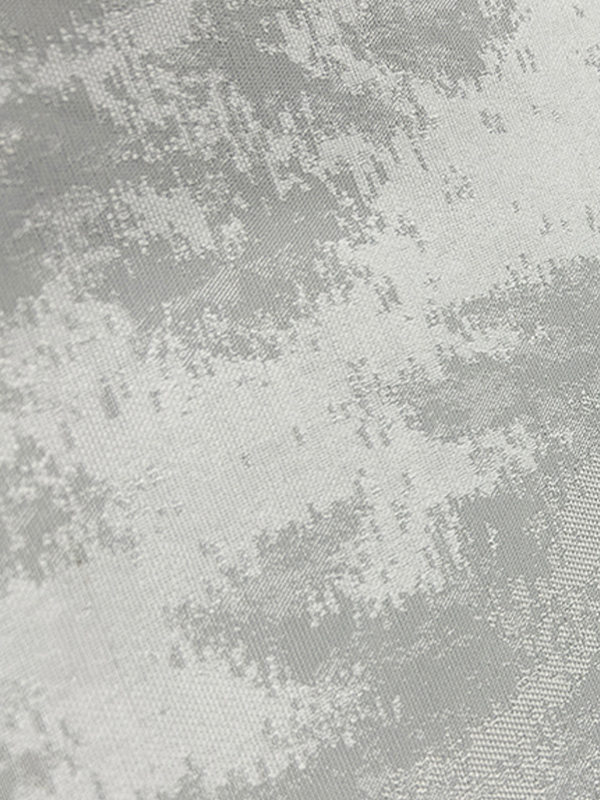
Linen offers a relaxed, textured look that suits modern and natural interior styles. It drapes beautifully and allows soft, diffused light into a room, though it tends to wrinkle and may require more careful maintenance compared to synthetic blends.
Polyester
Polyester is a durable, low-maintenance synthetic fabric known for its resistance to wrinkling, fading, and shrinking. It is often blended with other fibers to improve drape and texture, making it a practical choice for high-traffic areas or budget-conscious projects.
Velvet
Velvet is a heavy, luxurious fabric with excellent light-blocking and insulating properties. It adds a rich, formal look to a room and works particularly well in living rooms or bedrooms where warmth and drama are desired, though it requires more careful cleaning than lighter fabrics.
Sheer Fabrics
Sheer fabrics such as voile and organza allow natural light to filter through while maintaining a degree of privacy. These fabrics are ideal for layering with heavier curtains or for spaces where a soft, airy atmosphere is preferred.
Comparing Curtain Fabrics by Function
The table below compares common curtain fabrics based on light control, durability, and maintenance needs to help guide selection based on room function.
| Fabric Type | Light Control | Durability | Maintenance Level |
| Cotton | Moderate | Moderate | Medium |
| Linen | Low to Moderate | Moderate | Medium to High |
| Polyester | Moderate to High | High | Low |
| Velvet | High | High | High |
| Sheer | Low | Low to Moderate | Low |
Choosing Curtain Fabric by Room Type
Different rooms have different functional needs, and selecting fabric accordingly improves both comfort and practicality.
- Bedrooms benefit from blackout or heavy fabrics like velvet to block light and improve sleep quality
- Living rooms often use medium-weight fabrics such as cotton or linen blends for a balance of light and privacy
- Kitchens work well with polyester or easy-care blends that resist stains and moisture
- Bathrooms require moisture-resistant synthetic fabrics to prevent mold and mildew growth
- Home offices benefit from sheer or light-filtering fabrics that reduce glare on screens without fully blocking daylight
Factors to Consider Beyond Fabric Type
While fabric type is important, several additional factors influence how well a curtain performs and looks over time.
Weight and Drape
Fabric weight determines how a curtain hangs and folds. Heavier fabrics create structured, formal folds, while lighter fabrics produce a softer, more relaxed drape suited to casual interiors.
Lining Options
Adding a lining to curtain fabric improves insulation, blocks additional light, and protects the outer fabric from sun damage. Blackout linings are especially useful in bedrooms, while thermal linings help regulate room temperature in colder climates.
Color and Pattern Longevity
Sun exposure can cause certain dyes to fade faster than others. Choosing fabrics with UV-resistant treatments or darker, colorfast dyes helps maintain appearance over years of use, particularly for south-facing windows with strong sunlight.
Care and Maintenance Tips
Proper care extends the lifespan of curtain fabric and keeps it looking fresh. The following practices help maintain fabric quality over time.
- Vacuum curtains regularly using a soft brush attachment to remove dust
- Check care labels before washing, as some fabrics require dry cleaning only
- Rotate curtain panels periodically to distribute sun exposure evenly
- Iron or steam gently on low heat settings appropriate for the fabric type
- Address stains promptly using fabric-appropriate cleaning solutions
Choosing the right curtain fabric involves weighing factors such as light control, durability, and maintenance alongside personal style preferences. By understanding the strengths and limitations of different fabric types and matching them to specific room needs, homeowners can create window treatments that are both functional and visually appealing for years to come.