English
 中文简体
中文简体 Español
 عربى
عربى
Content
Why Fabric Choice Matters More Than Style Alone
Choosing sofa upholstery fabric often gets treated as a purely aesthetic decision, but the material you select has a much bigger impact on how the sofa performs over years of daily use. Fabric affects how comfortable the seating feels, how well it resists stains and wear, how much maintenance it requires, and how long the piece will last before needing reupholstering. A sofa placed in a busy family room with children and pets faces very different demands than one in a formal, low-traffic living room, and the fabric choice should reflect that reality rather than trends alone.
Beyond durability, fabric also influences comfort through breathability and texture. Some materials trap heat and feel warm against skin, while others stay cool and are more pleasant for extended lounging. Understanding these practical differences before making a purchase can prevent costly mistakes and extend the usable life of the furniture significantly.
Common Types of Sofa Upholstery Fabric
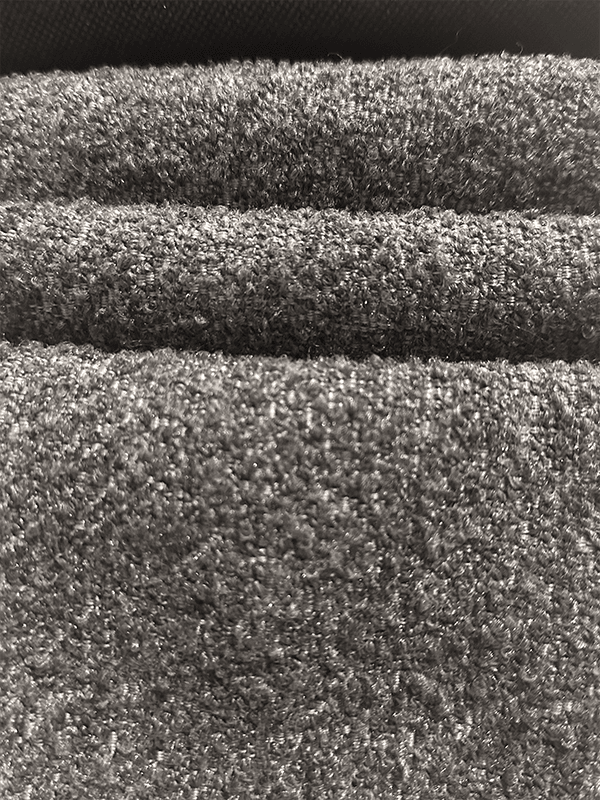
Sofa fabrics generally fall into a few broad categories, each with distinct characteristics that suit different lifestyles and budgets. Natural fibers like cotton and linen offer breathability and a soft hand feel but tend to wrinkle and stain more easily. Synthetic fibers such as polyester and microfiber are engineered for durability and stain resistance, making them popular for households with heavy use. Blended fabrics combine natural and synthetic fibers to balance comfort with practicality, while leather and faux leather provide a distinct look and easy wipe-down maintenance but come with their own care requirements.
Fabric Categories at a Glance
- Cotton and linen: breathable and soft, but prone to wrinkling and staining
- Polyester and microfiber: highly durable, stain-resistant, and budget-friendly
- Blended fabrics: combine natural softness with added durability
- Leather and faux leather: easy to wipe clean, but sensitive to sharp objects and sunlight
- Velvet: luxurious texture and rich appearance, but can show pile marks and requires gentle cleaning
Comparing Durability and Maintenance Needs
Durability is typically measured using a rub count, which indicates how many double rubs a fabric can withstand before showing signs of wear during standardized testing. Fabrics rated below 10,000 rubs are generally considered suitable for light use, while those rated above 30,000 rubs are built for heavy-traffic households. This rating system gives buyers a concrete way to compare fabrics beyond appearance alone.
Maintenance requirements vary just as widely. Some fabrics can be spot-cleaned with mild soap and water, while others require professional cleaning to avoid damaging the fibers or backing material. Understanding these requirements ahead of purchase helps set realistic expectations for the ongoing care a sofa will need.
Durability and Care Comparison
| Fabric Type | Typical Rub Count | Cleaning Method |
| Cotton/Linen | 10,000-15,000 | Spot clean, professional recommended |
| Polyester/Microfiber | 30,000+ | Mild soap and water |
| Leather | Not rub-tested | Wipe with damp cloth, leather conditioner |
| Velvet | 15,000-25,000 | Professional cleaning recommended |
| Blended Fabrics | 20,000-30,000 | Spot clean, check manufacturer label |
Matching Fabric to Household Lifestyle
The right fabric choice depends heavily on who uses the sofa and how often. Households with young children or pets typically benefit from performance fabrics that resist stains, scratches, and moisture, since these materials are engineered to withstand frequent cleaning without breaking down. Polyester blends and treated microfiber are common choices in this category because they combine reasonable softness with strong resistance to everyday wear.
For households without heavy daily stress on furniture, natural fiber fabrics like cotton or linen can offer a more elevated look and feel without the same durability concerns. Formal living rooms or guest spaces that see occasional use are well suited to these softer, more delicate materials, since the reduced frequency of use limits wear and staining risk.
Climate and sunlight exposure should also factor into the decision. Fabrics placed near windows with direct sunlight exposure are prone to fading over time, so choosing colorfast or UV-resistant materials can help maintain appearance longer in sunlit rooms.
Practical Tips for Testing Fabric Before Purchase
Before committing to a sofa fabric, it is worth requesting a fabric swatch from the retailer or manufacturer to test texture, color accuracy, and durability firsthand. Photos and screen displays often misrepresent color tone, so physically handling the swatch under natural lighting gives a more accurate sense of how the fabric will look in your space.
Steps to Evaluate a Fabric Swatch
- Check the fabric under both natural and artificial lighting
- Rub the swatch firmly to test texture and pilling resistance
- Test a small water spill to see how the fabric absorbs or repels liquid
- Ask about the fabric's rub count rating and cleaning code
- Confirm whether the fabric is pet-safe or scratch-resistant if applicable
Taking the time to physically test a fabric swatch can prevent buyer's remorse and ensure the final sofa purchase matches both aesthetic preferences and practical household needs.
Making a Confident Final Decision
Selecting sofa upholstery fabric ultimately comes down to balancing appearance, comfort, durability, and maintenance effort against your household's specific needs. There is no single best fabric for every situation, but understanding the trade-offs between natural and synthetic materials, checking durability ratings, and testing swatches in real conditions all contribute to a more informed decision.
Investing a little extra time upfront to research fabric performance can save significant money and frustration down the line, since a well-matched fabric choice will look better, last longer, and require less maintenance throughout the sofa's lifespan.