English
 中文简体
中文简体 Español
 عربى
عربى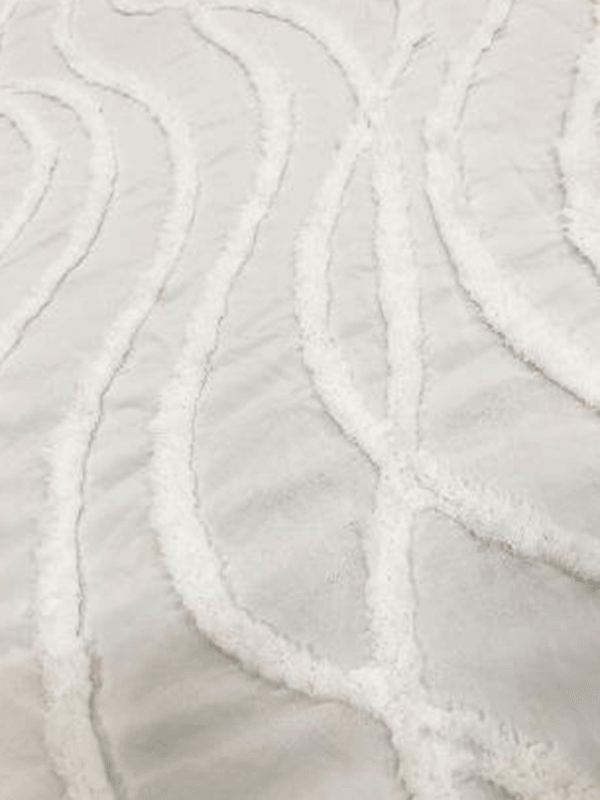
Content
Why Fabric Choice Matters for Sofa Longevity
Sofa upholstery fabric affects far more than appearance. It determines how well the sofa withstands daily use, how easily it can be cleaned, and how comfortable it feels against skin during long periods of sitting or lying down. Choosing the wrong fabric for a household's lifestyle often leads to premature wear, stains that never fully lift, or a surface that feels uncomfortable in certain climates.
Before selecting a fabric based on color or pattern alone, it helps to understand how different materials perform under real conditions such as pet claws, spilled drinks, sunlight exposure, and frequent use by children. This practical approach leads to a sofa that stays looking and feeling good for years rather than months.
Common Fabric Types and Their Characteristics
Sofa upholstery fabrics generally fall into a few broad categories, each with distinct strengths and trade-offs worth understanding before making a purchase.
Natural Fabrics
Cotton, linen, and wool offer breathability and a soft, natural feel that many people find appealing for living rooms without heavy daily traffic. However, these fabrics tend to wrinkle easily, absorb spills quickly, and show wear faster than synthetic alternatives, making them better suited to formal spaces than high-use family rooms.
Synthetic Fabrics
Polyester, microfiber, and nylon blends resist stains, fading, and abrasion far better than most natural fibers. Microfiber in particular has become popular for households with children or pets because spills tend to bead on the surface rather than soaking in immediately, giving more time to wipe up messes before they set.
Performance Fabrics
Engineered specifically for heavy use, performance fabrics combine synthetic fibers with treatments that resist moisture, odor, and staining. These fabrics often carry warranties against common household accidents and are increasingly common in family-oriented sofa lines.
Matching Fabric to Household Lifestyle
The best fabric choice depends heavily on who uses the sofa and how often. A household with young children or pets faces different demands than a quiet adult-only living room, and matching fabric properties to these realities prevents disappointment later.
- Households with pets benefit from tightly woven fabrics that resist snagging from claws
- Families with young children should prioritize stain-resistant, machine-washable covers when available
- Sunrooms or bright spaces need fade-resistant fabrics treated for UV exposure
- Formal living rooms with low traffic can accommodate delicate natural fibers like silk blends
- Allergy-sensitive households often do better with tightly woven synthetics that trap less dust
Understanding Durability Ratings
Fabric durability is often measured using the double rub test, which simulates the friction of someone sitting down and standing up repeatedly. This number, listed on fabric samples, gives a useful benchmark for comparing how long different materials are expected to last under regular use.
| Double Rub Count | Durability Level | Recommended Use |
| Under 10,000 | Light Duty | Formal, low-traffic rooms |
| 10,000–15,000 | Medium Duty | Average household use |
| 15,000–30,000 | Heavy Duty | Families and pet owners |
| Over 30,000 | Commercial Grade | High-traffic or shared spaces |
Maintenance Considerations by Fabric Type
Fabric care requirements vary significantly, and understanding cleaning codes before purchase can save considerable frustration later. Most upholstery fabrics carry a code indicating the appropriate cleaning method.
Reading Cleaning Codes
A "W" code means the fabric can be cleaned with water-based solutions, while an "S" code requires solvent-based cleaners only. Fabrics marked "WS" tolerate either method, and those labeled "X" should only be vacuumed, as any liquid cleaning risks permanent damage or shrinkage.
Everyday Care Habits
Regardless of fabric type, regular vacuuming with an upholstery attachment removes dust and debris before it embeds into the weave. Rotating cushions periodically also helps distribute wear evenly across the sofa's surface, extending its usable lifespan.
Balancing Comfort, Style, and Practicality
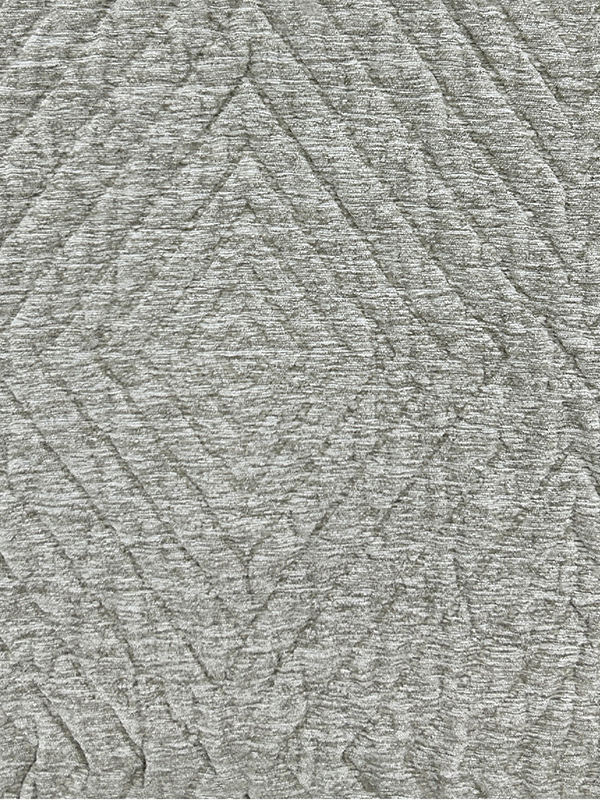
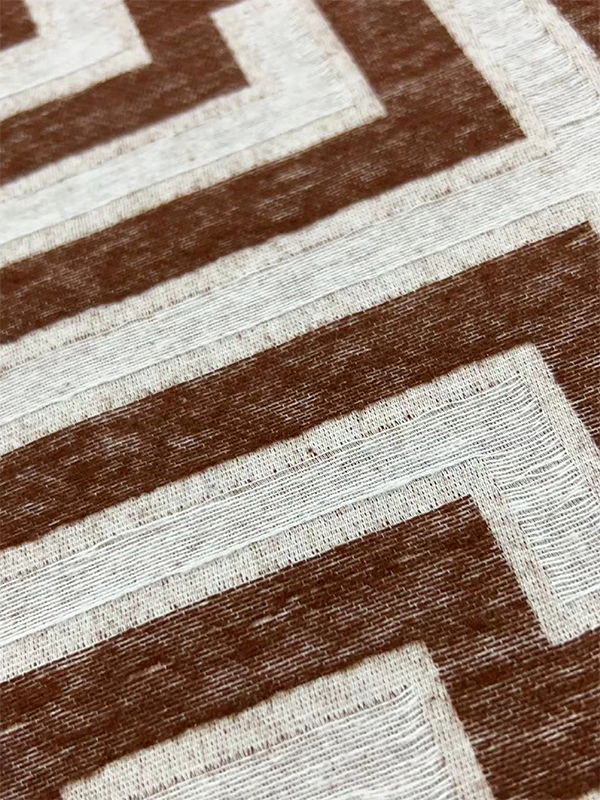
While durability and maintenance matter greatly, comfort and visual appeal remain important factors in the decision. Textured weaves like chenille offer a soft hand feel while still holding up reasonably well to daily use, making them a popular middle ground between delicate natural fibers and purely functional synthetics.
Ultimately, the right sofa upholstery fabric comes down to honestly assessing household habits and prioritizing accordingly. A fabric that looks beautiful in a showroom but cannot withstand daily life will lead to regret, while a slightly less glamorous but highly practical choice often delivers far greater long-term satisfaction.