 English
 中文简体
中文简体 Español
 عربى
عربىNews
Home / News / Industry News / How Do You Choose the Right Curtain Fabric for Every Room in Your Home?

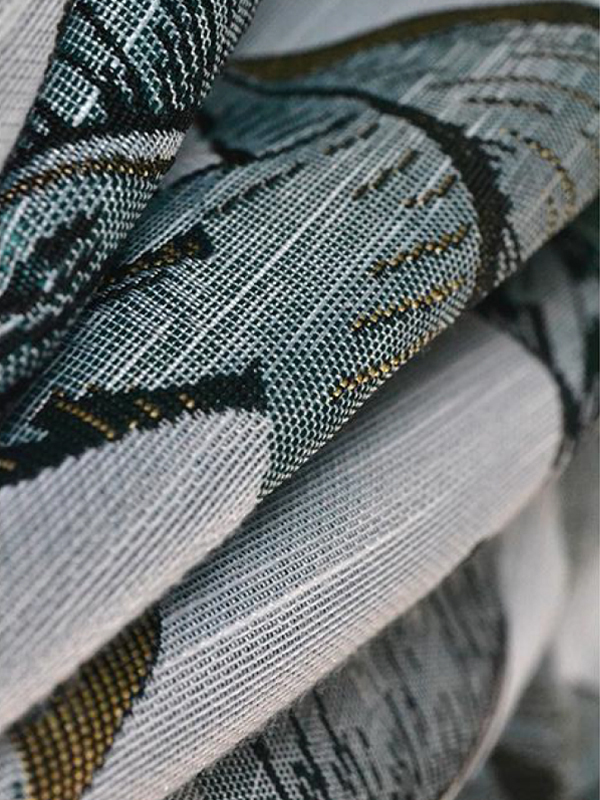
How Do You Choose the Right Curtain Fabric for Every Room in Your Home?
Jul 27,2026
What Makes 100% Cotton Jacquard Fabric Worth Choosing for Your Next Project?
Jul 21,2026
Choosing the Right Sofa Fabric for Durability and Comfort
Jul 13,2026
Which Bedding Fabric Is Best for Commercial Buyers?
Jul 08,2026
Which Sofa Fabric Is Best for Your Home and Lifestyle?
Jul 02,2026Content
Curtain fabric plays a functional role in a home that extends well beyond decorative style. The weight, weave, and fiber content of a fabric determine how much light passes through, how well it insulates against heat and cold, how much sound it absorbs, and how easily it can be cleaned and maintained over time. Choosing curtain fabric without considering these functional properties often leads to disappointing results, such as sheer panels that fail to provide privacy in a street-facing window, or heavy fabrics that make a small room feel darker and more enclosed than intended.
Approaching fabric selection room by room, with attention to the specific light conditions, privacy needs, and climate considerations of each space, produces far better long-term satisfaction than selecting fabric based on color or pattern alone.
Curtain fabrics are made from a range of natural and synthetic fibers, each contributing different characteristics to the finished textile.
Cotton is a widely used curtain fiber valued for its breathability, natural drape, and ability to hold dye well, resulting in rich, consistent colors. Pure cotton curtains can wrinkle easily and may fade with prolonged sun exposure, which is why many manufacturers blend cotton with polyester to improve wrinkle resistance and durability.
Linen offers a relaxed, textured appearance and excellent breathability, making it popular in warmer climates or casual interior styles. However, linen wrinkles more readily than cotton and is generally less durable under heavy sun exposure, so it often performs best in rooms with moderate light exposure.

Polyester is one of the most common synthetic fibers used in curtain fabric due to its affordability, resistance to wrinkling, and strong colorfastness under sunlight. Polyester curtains are also less prone to shrinking or stretching, making them a practical choice for humid environments like bathrooms or kitchens.
Velvet is a heavier, pile-woven fabric known for its dense texture and strong light-blocking and insulating properties, making it a popular choice for formal living rooms and bedrooms where both style and thermal performance are priorities.
Fabric weight and weave density directly determine how much natural light a curtain allows into a room and how much privacy it provides from outside view, particularly after dark when interior lighting is on.
| Fabric Category | Light Filtering Level | Best Suited Rooms |
| Sheer | High light penetration, low privacy | Living rooms, dining areas |
| Semi-Sheer | Moderate light, partial privacy | Kitchens, home offices |
| Medium Weight | Reduced light, good daytime privacy | Living rooms, hallways |
| Blackout | Minimal to no light penetration | Bedrooms, media rooms |
Many homeowners choose a layered approach, pairing a sheer or semi-sheer panel closer to the window with a heavier drape on the outer track, allowing them to adjust light and privacy levels throughout the day without switching curtains entirely.
Different rooms in a home have distinct functional requirements that should guide fabric selection beyond general aesthetic preference.
Considering how a room is actually used throughout the day, rather than focusing solely on how the fabric looks in a showroom, leads to choices that hold up better in daily practice.
Weave structure influences not only the visual texture of curtain fabric but also its long-term durability and resistance to sagging or stretching over time.
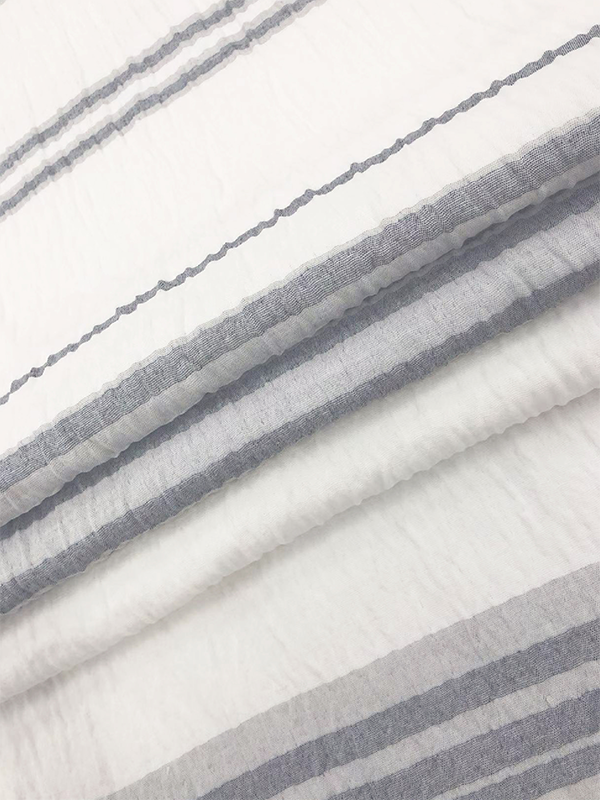
Plain weave fabrics, where threads cross in a simple over-under pattern, tend to be lightweight and breathable, making them common in sheer and semi-sheer curtain styles.
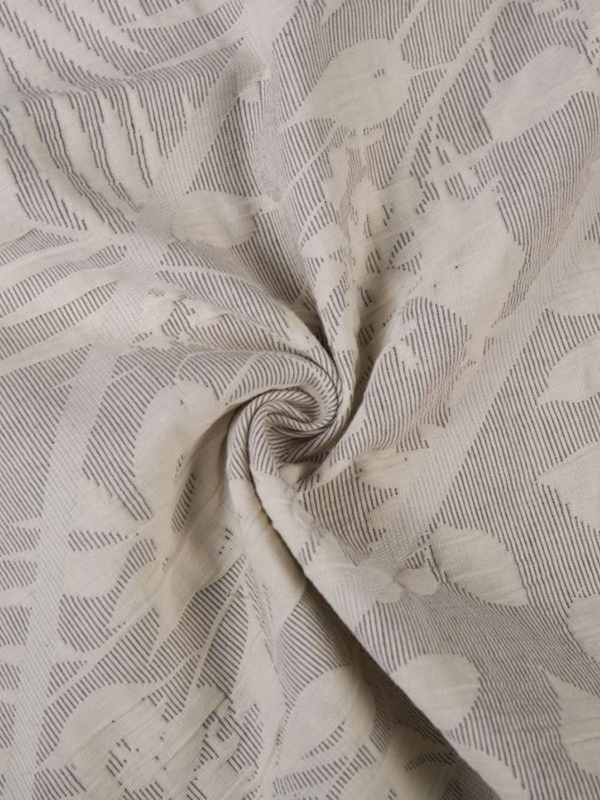
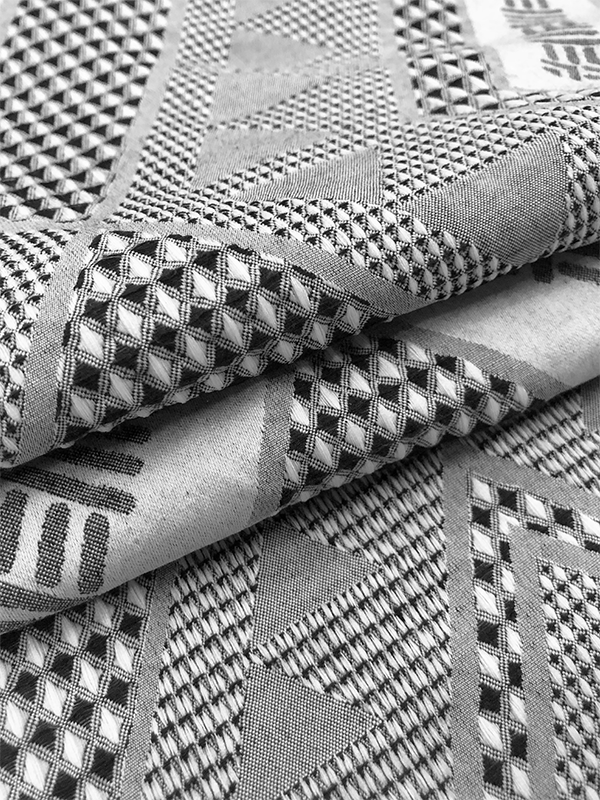
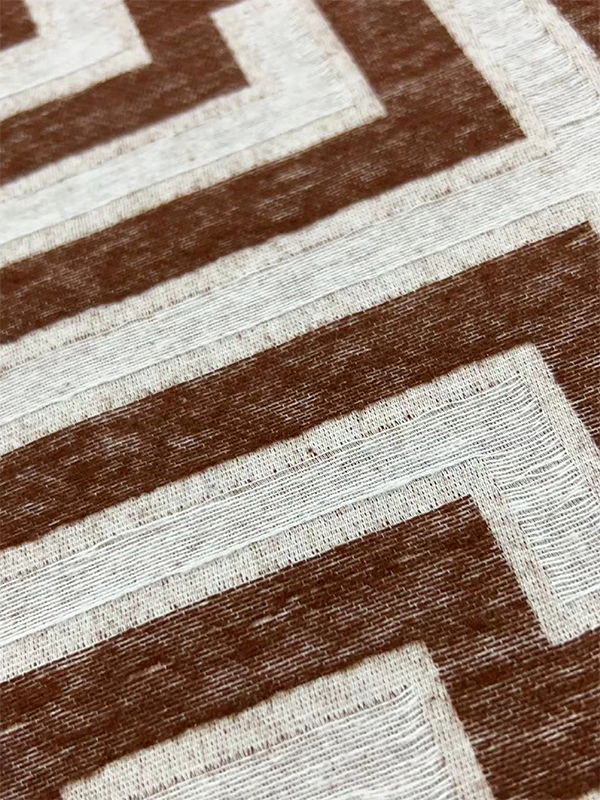
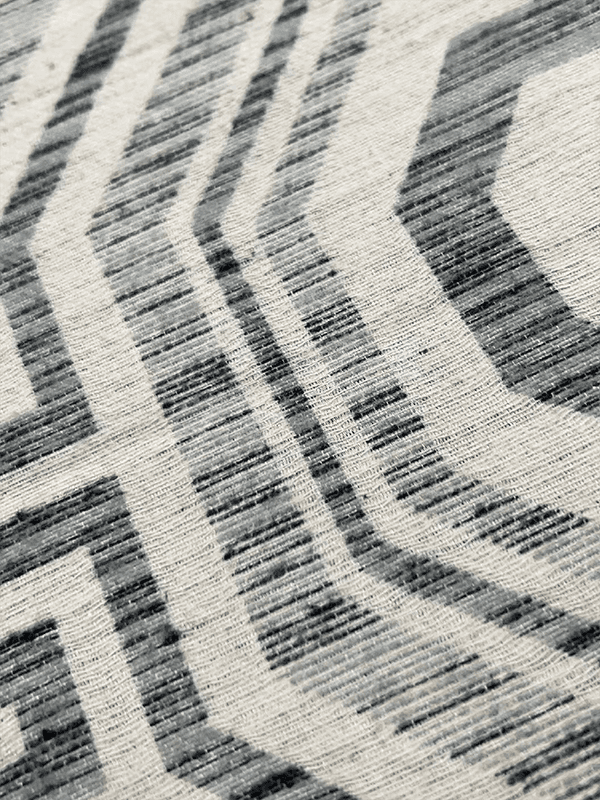
Jacquard weaves incorporate patterns directly into the fabric structure during weaving, rather than printing designs onto the surface afterward, resulting in a more durable and often more visually dimensional textile that resists fading of the pattern itself over time.
Twill weaves create a diagonal rib pattern that adds strength and drape to the fabric, making twill-woven curtain materials a durable choice for high-traffic rooms where curtains are opened and closed frequently.
Proper care extends the life of curtain fabric and helps maintain its appearance, but cleaning requirements vary considerably depending on fiber content and construction.
Checking the manufacturer's care label before washing or dry cleaning any curtain fabric helps avoid accidental shrinkage, color bleeding, or texture damage that can shorten the usable life of the panels.
Choosing curtain fabric ultimately comes down to balancing the practical needs of each room, such as light control, privacy, humidity resistance, and durability, against personal style preferences for color, texture, and pattern. Bringing home fabric swatches to view under actual room lighting conditions at different times of day can reveal how a fabric truly performs before committing to full-length panels, helping ensure the final choice satisfies both the functional and aesthetic goals of the space.
Your email address will not be published. Required fields are marked *
 Phone: +86-13362131543
 E-mail: [email protected]
E-mail: [email protected]
 Address: No 3 Zhongyuan RD.,Shenshi Lianmeng Industrial Zone,Xucun Town,Haining,Zhejiang,China
Copyright © Zhejiang OSD Textile Co., Ltd. All Rights Reserved.
