 English
 中文简体
中文简体 Español
 عربى
عربىNews
Home / News / Industry News / What Makes 100% Cotton Jacquard Fabric Worth Choosing for Your Next Project?

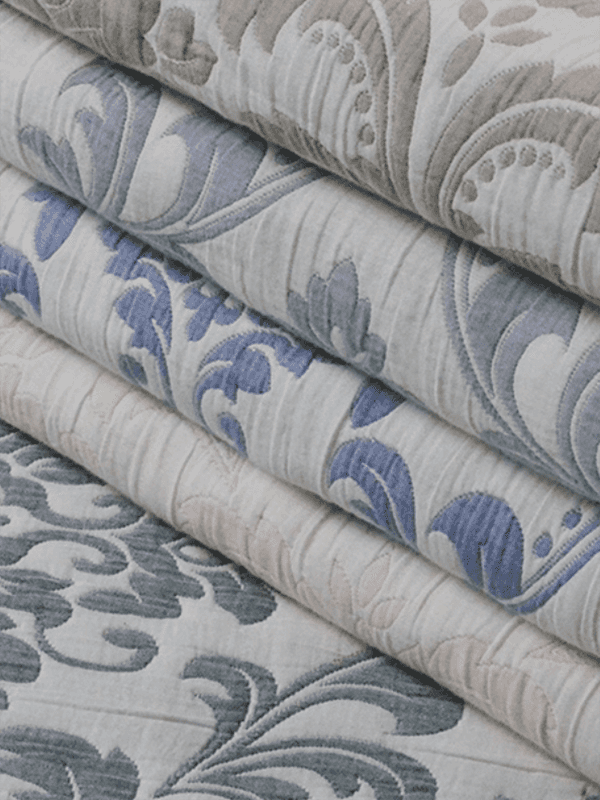
What Makes 100% Cotton Jacquard Fabric Worth Choosing for Your Next Project?
Jul 21,2026
Choosing the Right Sofa Fabric for Durability and Comfort
Jul 13,2026
Which Bedding Fabric Is Best for Commercial Buyers?
Jul 08,2026
Which Sofa Fabric Is Best for Your Home and Lifestyle?
Jul 02,2026
How Do You Choose the Right Curtain Fabric for Every Window in Your Home?
Jun 22,2026Content
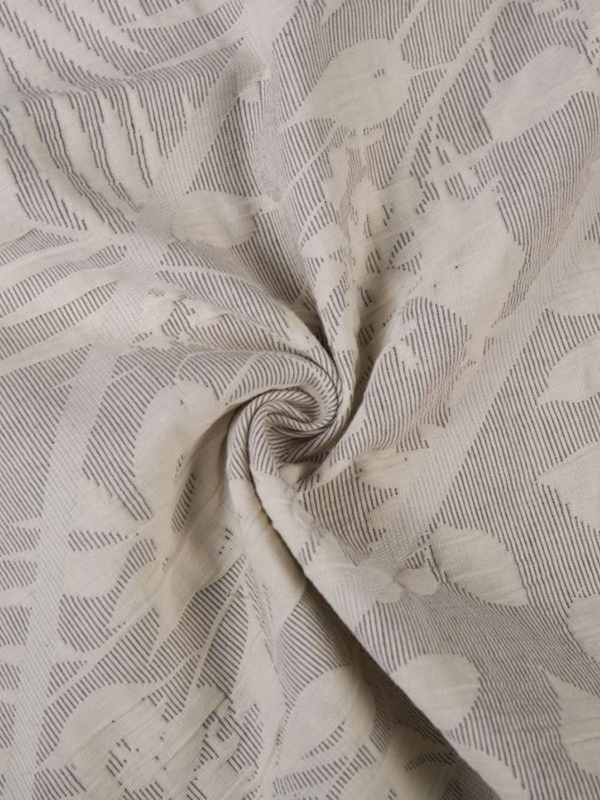
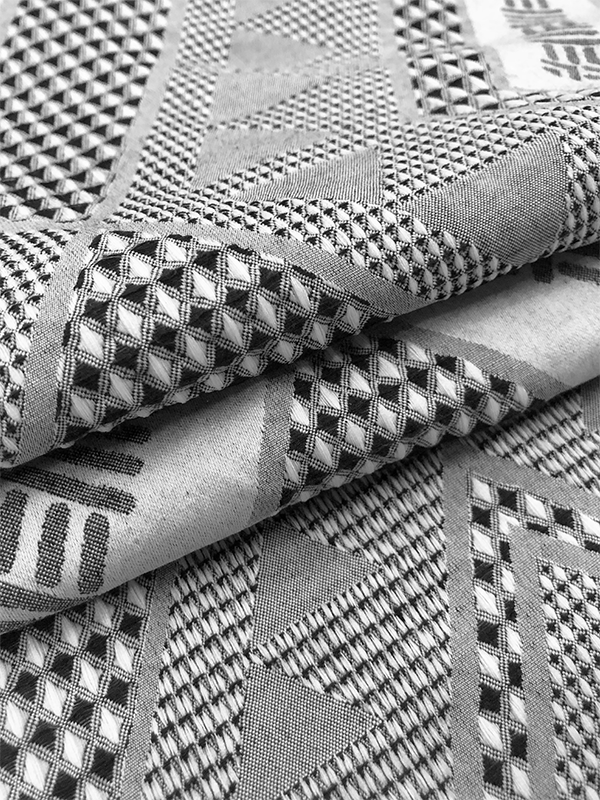
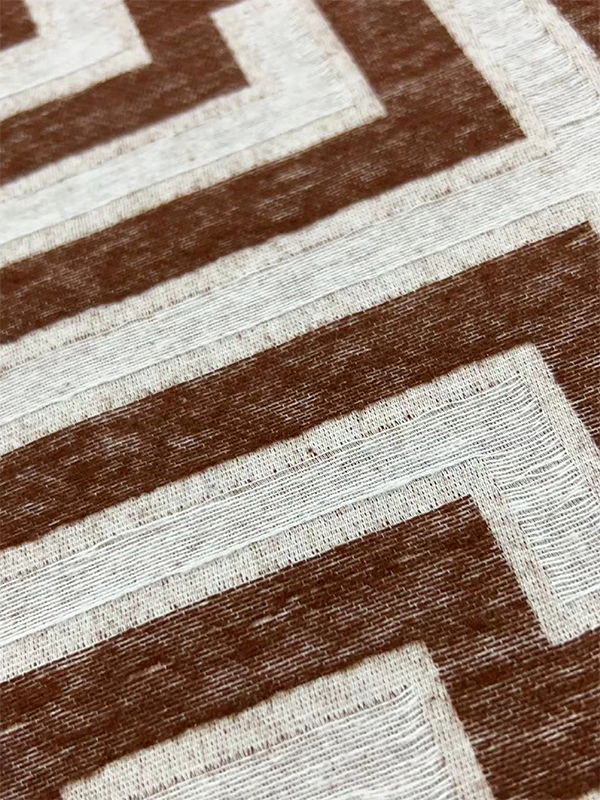
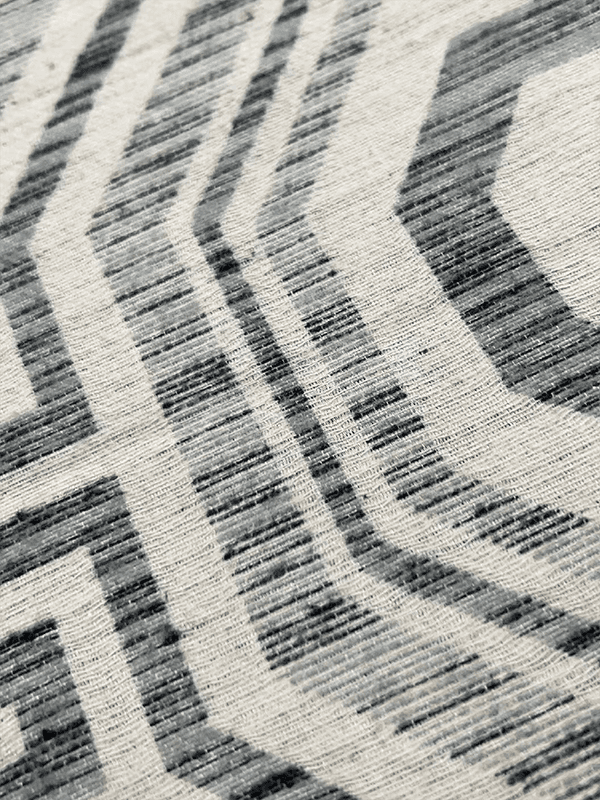
Jacquard is not a fiber type but a weaving method, and when it is made from 100% cotton, the result combines intricate woven patterns with the breathability and softness natural fiber provides. Unlike printed fabrics, where a design sits on top of the surface, jacquard patterns are woven directly into the structure of the cloth using a specialized loom that controls individual warp threads. This means the design appears on both sides of the fabric, often in reverse, and the pattern remains visible even as the fabric wears over years of use, since it is not a surface treatment that can fade or peel away.
Because the pattern is built into the weave itself, cotton jacquard tends to have more texture and dimension than printed cotton, with slightly raised or recessed areas depending on the design. This textural quality makes it a popular choice for home textiles such as bedding, curtains, and upholstery, as well as for structured garments like blazers, dresses, and shirting where a subtle pattern adds visual interest without overwhelming the design.
Not all fabric labeled as jacquard is equal in quality, and distinguishing well-made cotton jacquard from lower-grade versions requires checking a few specific details. Thread count and weight are good starting points, since higher-quality jacquard typically uses finer, more tightly spun cotton yarns that create a denser, more durable weave. Holding the fabric up to light can reveal weave consistency; poorly made jacquard often shows uneven thread spacing or visible gaps, while quality fabric maintains a uniform structure throughout the pattern.
Checking both sides of the fabric is another reliable method for assessing quality. Genuine woven jacquard shows a clear reverse image of the pattern on the back side, since the design is created by the weave structure itself rather than printed on. If the back of the fabric appears blank or shows only a faint, blurry version of the front pattern, the fabric may be a printed imitation rather than true woven jacquard, and it will likely lack the same durability and dimensional texture.
Cotton jacquard fabric comes in a range of weights, and selecting the right one depends heavily on the intended use. Lightweight jacquard, generally under 150 grams per square meter, works well for blouses, dresses, and lightweight curtains where drape and breathability matter more than structure. Medium-weight jacquard, typically between 150 and 250 grams per square meter, suits jackets, structured skirts, and decorative pillow covers, offering enough body to hold a shape without becoming stiff or heavy.
Heavyweight cotton jacquard, often exceeding 250 grams per square meter, is better suited to upholstery, drapery, and outerwear where durability and structure take priority over drape. Choosing a weight that matches the intended application prevents common issues such as garments that lose their shape too quickly or upholstery fabric that shows wear prematurely under regular use.
| Weight Range | Recommended Use |
| Under 150 gsm | Blouses, dresses, lightweight curtains |
| 150-250 gsm | Jackets, skirts, pillow covers |
| Over 250 gsm | Upholstery, drapery, outerwear |
Because the woven pattern in jacquard fabric is created through variations in thread tension and structure, proper care matters more than it does for simpler weaves. Washing in cold water and avoiding harsh detergents helps preserve the fabric's texture and prevents the raised pattern areas from flattening prematurely. Turning the fabric inside out before washing reduces friction against the patterned surface, which can help maintain the crispness of the woven design over repeated washes.
Ironing requires some care as well, since high heat directly on the patterned side can flatten the texture that makes jacquard distinctive. Ironing on the reverse side, or using a pressing cloth between the iron and the fabric, protects the raised areas of the weave. For heavier jacquard used in upholstery or drapery, professional cleaning is often recommended over home washing, since the denser weave can hold moisture longer and may be more prone to shrinkage if not dried correctly.
Whether sourcing cotton jacquard for garment construction, home decor, or upholstery, taking time to verify quality, match weight to purpose, and follow appropriate care steps pays off in the durability and appearance of the final result. Fabric that is properly matched to its intended use and cared for correctly can maintain its pattern definition and structural integrity for years, making 100% cotton jacquard a worthwhile investment for projects where both appearance and longevity matter.
Your email address will not be published. Required fields are marked *
 Phone: +86-13362131543
 E-mail: [email protected]
E-mail: [email protected]
 Address: No 3 Zhongyuan RD.,Shenshi Lianmeng Industrial Zone,Xucun Town,Haining,Zhejiang,China
Copyright © Zhejiang OSD Textile Co., Ltd. All Rights Reserved.
