English
 中文简体
中文简体 Español
 عربى
عربى
Content
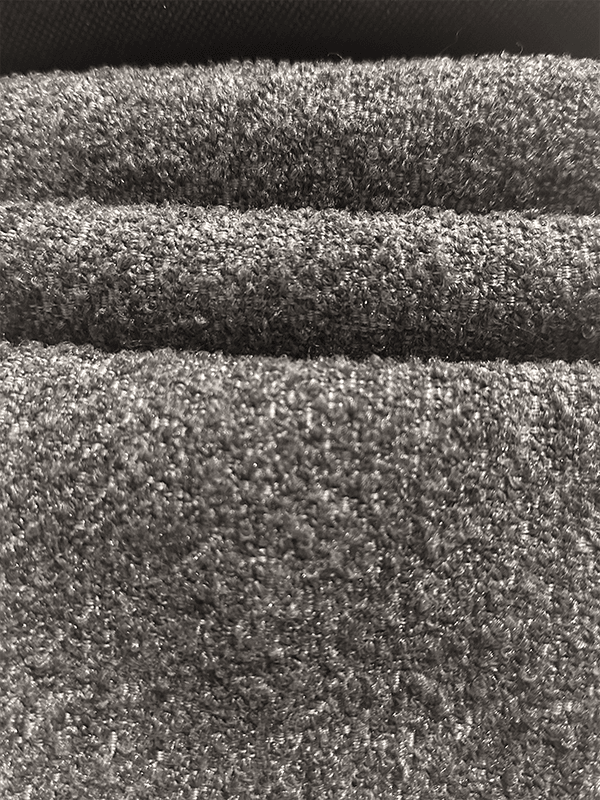
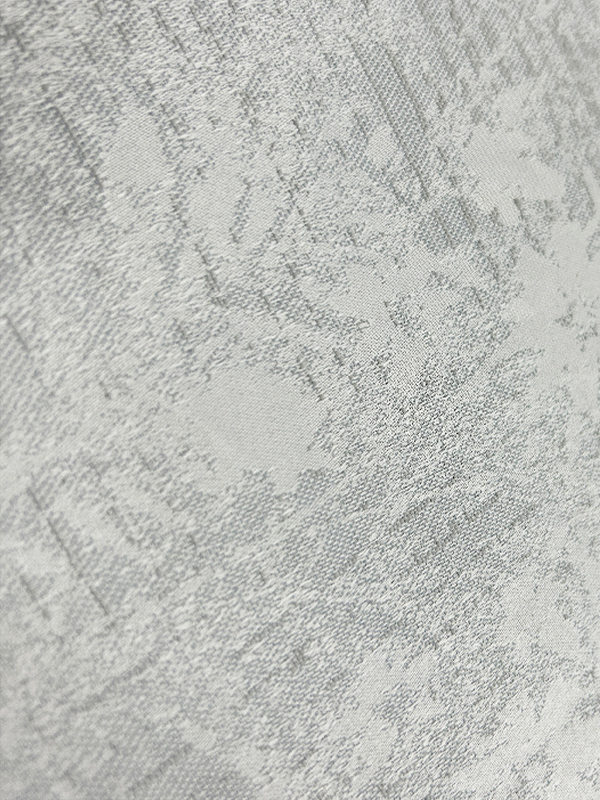
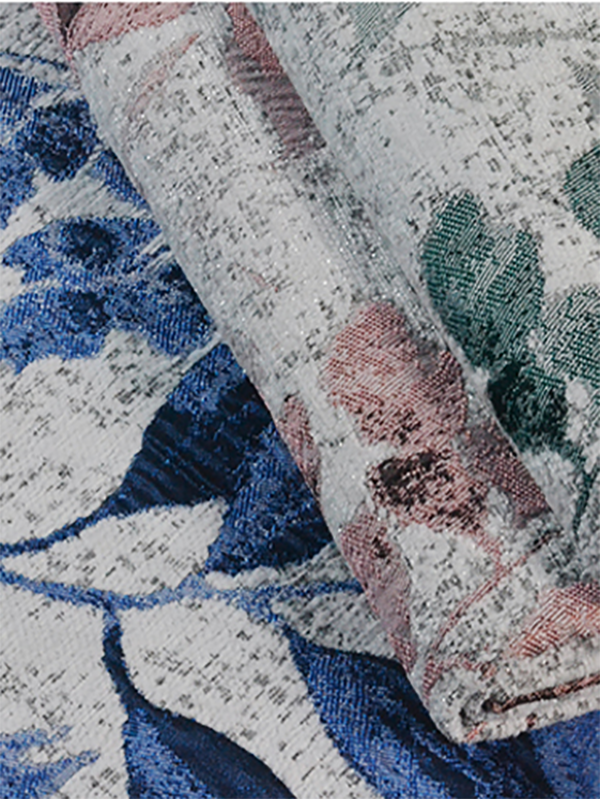
Choosing sofa fabric is one of the decisions that affects a piece of furniture more than almost anything else, since it determines how the sofa feels, how long it holds up, and how much upkeep it demands over years of daily use. The right fabric depends less on personal taste alone and more on how the sofa will actually be used, who will be sitting on it, and what conditions it will face in the room. This article breaks down the main fabric categories, how to judge durability and comfort, and how to match a fabric choice to a household's real habits.
Understanding the Main Categories of Sofa Fabric
Sofa fabrics generally fall into natural fiber, synthetic fiber, and blended categories, each with distinct performance characteristics. Natural fibers such as cotton, linen, and wool offer a soft hand feel and breathability, but they tend to wrinkle, stain more easily, and wear faster under heavy use compared to synthetic alternatives. Synthetic fibers like polyester, nylon, and olefin are engineered for resistance to stretching, fading, and staining, which makes them a common choice for households with children, pets, or high foot traffic.
Blended fabrics combine natural and synthetic fibers to balance comfort with durability. A cotton-polyester blend, for example, can retain some of cotton's softness while gaining polyester's resistance to wrinkling and fading. Leather and faux leather form a separate category entirely, offering a distinct look and easy wipe-down maintenance, though they respond differently to temperature and humidity than woven fabrics.
Common Fabric Types and Their Traits
| Fabric | Feel | Durability |
| Cotton | Soft, breathable | Moderate |
| Linen | Textured, light | Low to moderate |
| Polyester | Smooth, varied | High |
| Microfiber | Suede-like, soft | High |
| Leather | Smooth, firm | Very high |
| Velvet | Plush, soft | Moderate |
Measuring Durability with Fabric Ratings
Durability is not just a matter of guesswork; upholstery fabrics are tested and rated using a double rub count, which measures how many cycles of simulated wear a fabric can withstand before it starts to show damage. A fabric rated below 15,000 double rubs is generally considered suitable for light, occasional use, while fabrics rated between 15,000 and 30,000 double rubs are appropriate for regular household use. Fabrics rated above 30,000 double rubs are considered heavy-duty and are often used in commercial settings or homes with children and pets.
Checking the double rub count on a fabric label or product listing gives a more reliable indication of how a sofa will hold up than relying on fiber type alone, since two fabrics made from the same material can have very different durability ratings depending on how tightly they are woven.
General Double Rub Guidelines
- Below 15,000: light use, decorative or low-traffic seating
- 15,000 to 30,000: standard residential everyday use
- Above 30,000: heavy-duty use, families with children or pets
- Above 50,000: commercial-grade, suited for public seating areas
Matching Fabric to Household Needs
A household with young children or pets benefits from fabrics that resist staining and are easy to clean, such as performance polyester, microfiber, or treated cotton blends. These fabrics are often engineered with stain-resistant coatings that allow spills to be wiped away before they set into the fibers, which reduces the need for professional cleaning over time.
For households without heavy daily wear, natural fibers like linen or cotton can be a reasonable choice, offering a softer feel and a more relaxed appearance, though owners should expect more frequent cleaning and a shorter lifespan compared to synthetic options. Velvet and other plush fabrics work well in formal living areas that see lighter use, but they are more prone to crushing and matting in high-traffic households.
Fabric Choices by Household Type
- Families with children or pets: performance polyester or microfiber
- Formal or low-traffic living rooms: velvet, linen, or wool blends
- Households prioritizing easy cleaning: leather or faux leather
- Warm or humid climates: breathable cotton or linen blends
Caring for Sofa Fabric to Extend Its Life
Every sofa fabric comes with a manufacturer cleaning code, typically marked as W, S, WS, or X, that indicates the appropriate cleaning method. A W code means the fabric can be cleaned with water-based solutions, while an S code indicates that only solvent-based cleaners should be used to avoid water stains or shrinkage. Fabrics marked WS can tolerate either method, and those marked X should only be vacuumed, as any liquid cleaner risks damaging the material.
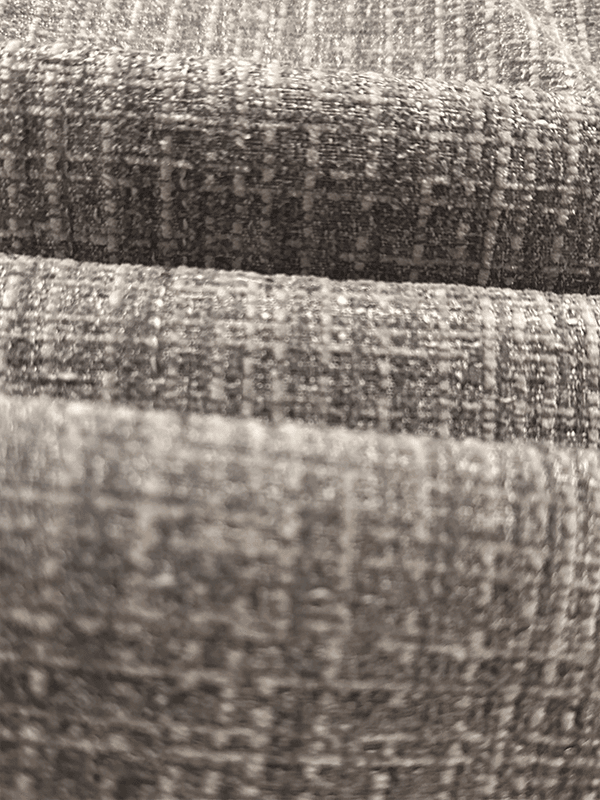
Rotating cushions regularly helps distribute wear evenly across the fabric, since seating areas that are used consistently in the same spot tend to flatten and fade faster than the rest of the sofa. Keeping upholstery out of direct sunlight also slows fading, particularly for dyed fabrics like cotton and linen that are more prone to color loss under UV exposure.
Basic Maintenance Habits
- Check the cleaning code label before using any cleaning product
- Vacuum fabric surfaces weekly to prevent dust and debris buildup
- Rotate and flip cushions periodically to even out wear
- Keep upholstery away from prolonged direct sunlight exposure
Making the Final Decision
Choosing sofa fabric ultimately comes down to weighing appearance against practicality for the specific room and household it will serve. A fabric that looks appealing in a showroom may not hold up well against the realities of daily use, so it helps to request a fabric swatch and test it against common household conditions, such as pressing a damp cloth against it to see how it responds to moisture, before committing to a full order.
Considering double rub ratings, cleaning codes, and household habits together, rather than focusing on color or texture alone, leads to a sofa that stays looking and feeling good well beyond the first year of ownership.