English
 中文简体
中文简体 Español
 عربى
عربى
Content
- 1 Understanding Bedding Fabric and Sleep Quality
- 2 What Is Polyester Bedding Fabric?
- 3 What Is Cotton Bedding Fabric?
- 4 Breathability and Temperature Regulation
- 5 Moisture Management and Skin Comfort
- 6 Softness and Feel Against the Skin
- 7 Durability and Long-Term Performance
- 8 Maintenance and Care Requirements
- 9 Cost and Value Considerations
- 10 Polyester vs Cotton Bedding Fabric Comparison
- 11 Which Bedding Fabric Is Better for Sleep?
- 12 Final Thoughts on Polyester vs Cotton Bedding Fabric
Understanding Bedding Fabric and Sleep Quality
When choosing bedding, fabric plays a critical role in determining sleep quality. The way a fabric feels against the skin, how it manages heat and moisture, and how it performs over time can directly affect comfort and restfulness. Polyester bedding fabric and cotton bedding fabric are two of the most widely used materials in the global bedding market. Each has distinct characteristics that influence how suitable it is for sleep, depending on personal preferences, climate, and lifestyle needs.
To decide which is better for sleep, it is important to go beyond general assumptions and examine how polyester and cotton compare in terms of breathability, softness, temperature regulation, durability, maintenance, and overall value. This comparison helps consumers make practical, informed choices rather than relying on marketing claims alone.
What Is Polyester Bedding Fabric?
Polyester bedding fabric is a synthetic textile made from petroleum-based fibers. It is widely used in sheets, duvet covers, pillowcases, and comforters due to its affordability and consistent performance. Modern polyester fabrics are often engineered to mimic the feel of natural fibers while offering enhanced durability and wrinkle resistance.
Many polyester bedding products are made from microfiber, a finely woven polyester yarn that creates a smooth and lightweight fabric surface. This structure allows polyester bedding fabric to feel soft to the touch while maintaining strong tensile strength, making it suitable for frequent washing and long-term use.
Key Characteristics of Polyester Bedding Fabric
- High durability and resistance to tearing and abrasion
- Wrinkle-resistant and shape-retaining after washing
- Lower moisture absorption compared to natural fibers
- Cost-effective and widely available in many designs
What Is Cotton Bedding Fabric?
Cotton bedding fabric is made from natural cotton fibers harvested from the cotton plant. It has been used for centuries in bedding applications and is often associated with comfort, breathability, and skin-friendly performance. Cotton sheets and duvet covers are popular in both warm and moderate climates.
Cotton fabrics vary widely in quality depending on fiber length, weave type, and finishing process. Common types include percale, sateen, and jersey cotton, each offering a different texture and sleeping experience. Despite these variations, cotton bedding fabric is generally valued for its natural feel and ability to regulate temperature.
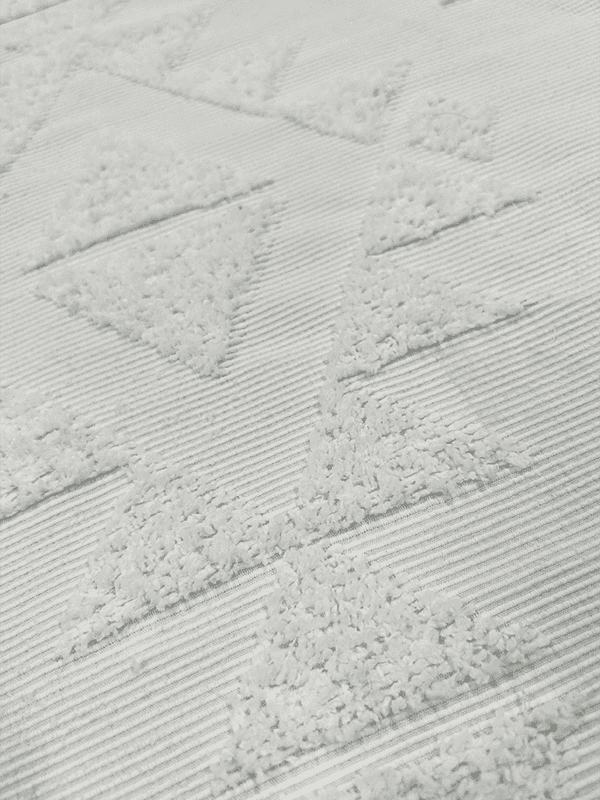
Key Characteristics of Cotton Bedding Fabric
- High breathability and airflow
- Strong moisture absorption for sweat control
- Softens with repeated washing
- Natural fiber suitable for sensitive skin
Breathability and Temperature Regulation
One of the most important factors for sleep comfort is how well bedding fabric regulates body temperature. Cotton bedding fabric is widely recognized for its breathability. The natural fiber structure allows air to circulate freely, helping heat escape and keeping sleepers cool throughout the night. This makes cotton a preferred choice for hot sleepers or those living in warm climates.
Polyester bedding fabric, by contrast, is less breathable due to its synthetic nature. While modern microfiber polyester can feel lightweight, it tends to trap heat more easily than cotton. This characteristic may be beneficial in cooler environments but can cause discomfort for people who tend to overheat during sleep.
Moisture Management and Skin Comfort
Moisture control is another key aspect of sleep quality. Cotton bedding fabric absorbs moisture effectively, pulling sweat away from the skin and allowing it to evaporate. This creates a dry and comfortable sleeping surface, particularly important for people who sweat at night.
Polyester bedding fabric does not absorb moisture in the same way. Instead, it tends to repel water, which can cause sweat to remain on the skin. Some polyester fabrics are treated with moisture-wicking finishes, but these treatments may diminish over time with repeated washing.
Softness and Feel Against the Skin
Cotton bedding fabric is known for its natural softness, which improves with age. As cotton sheets are washed and used, the fibers relax and become increasingly comfortable. This gradual improvement is a key reason many people prefer cotton for long-term bedding use.
Polyester bedding fabric often feels smooth from the start, especially microfiber varieties. However, this softness is more uniform and does not significantly improve over time. Some sleepers find polyester less breathable against the skin, which can affect overall comfort during long sleep periods.
Durability and Long-Term Performance
When it comes to durability, polyester bedding fabric has a clear advantage. Polyester fibers are strong, resistant to stretching, and less prone to tearing or thinning. Bedding made from polyester typically maintains its appearance and structure even after frequent washing.
Cotton bedding fabric, while durable, is more susceptible to wear over time. Repeated washing can cause cotton fibers to break down, leading to thinning or pilling. Higher-quality cotton can mitigate this issue, but it often comes at a higher cost.
Maintenance and Care Requirements
Polyester bedding fabric is easy to care for. It resists wrinkles, dries quickly, and generally does not require ironing. These qualities make polyester an attractive option for households seeking low-maintenance bedding solutions.
Cotton bedding fabric requires more careful maintenance. It wrinkles easily and may shrink if not washed properly. While many people accept these trade-offs for comfort, cotton bedding does demand more attention to washing instructions.
Cost and Value Considerations
Price is often a deciding factor when choosing bedding. Polyester bedding fabric is generally more affordable, making it accessible to a wide range of consumers. Its long lifespan and low maintenance requirements add to its overall value.
Cotton bedding fabric typically costs more, especially for higher thread counts or premium cotton varieties. However, many sleepers consider the added comfort and breathability worth the investment, particularly for nightly use.
Polyester vs Cotton Bedding Fabric Comparison
| Feature | Polyester Bedding Fabric | Cotton Bedding Fabric |
| Breathability | Moderate to Low | High |
| Moisture Absorption | Low | High |
| Softness Over Time | Consistent | Improves |
| Durability | Very High | Moderate to High |
| Maintenance | Easy | Moderate |
| Cost | Lower | Higher |
Which Bedding Fabric Is Better for Sleep?
Choosing between polyester and cotton bedding fabric ultimately depends on individual sleep needs. Cotton is generally better for sleep quality due to its breathability, moisture absorption, and natural feel. It is especially suitable for hot sleepers, people with sensitive skin, and those who prioritize comfort over convenience.
Polyester bedding fabric, however, offers practical advantages such as durability, affordability, and ease of care. It can be a good option for guest rooms, colder climates, or users who value low maintenance and long-lasting performance.
Final Thoughts on Polyester vs Cotton Bedding Fabric
Both polyester and cotton bedding fabrics have clear strengths and limitations. Cotton excels in sleep comfort and temperature control, while polyester stands out for durability and cost efficiency. Understanding these differences allows consumers to select bedding that aligns with their sleeping habits, environment, and budget.
Rather than choosing one fabric as universally better, the best option is the one that supports restful sleep and fits practical lifestyle needs. By evaluating how each fabric performs in real-world conditions, sleepers can make a confident and informed bedding choice.