 English
 中文简体
中文简体 Español
 عربى
عربىNews
Home / News / Industry News / What Factors Should Be Considered When Selecting Sofa Upholstery Fabric?

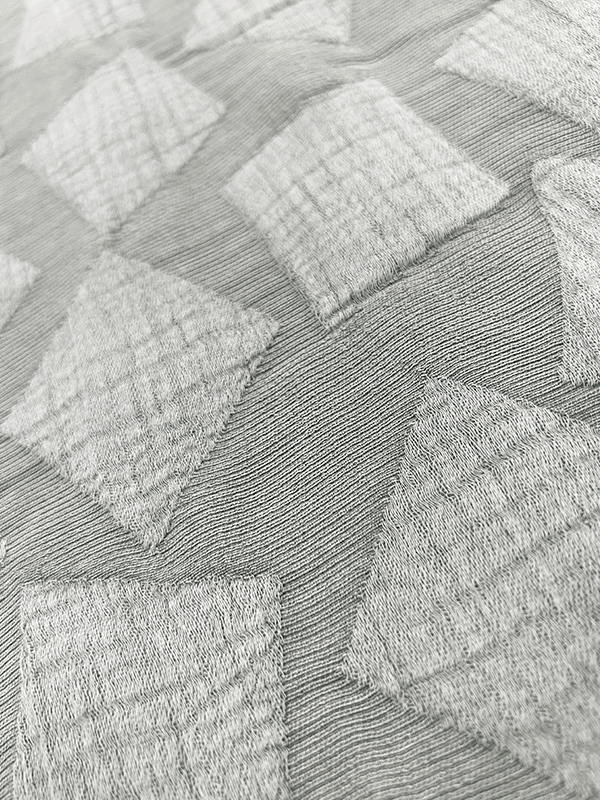
Cotton and Polyester Fabric: A Complete Guide to Blends, Benefits, and Care
Sep 21,2026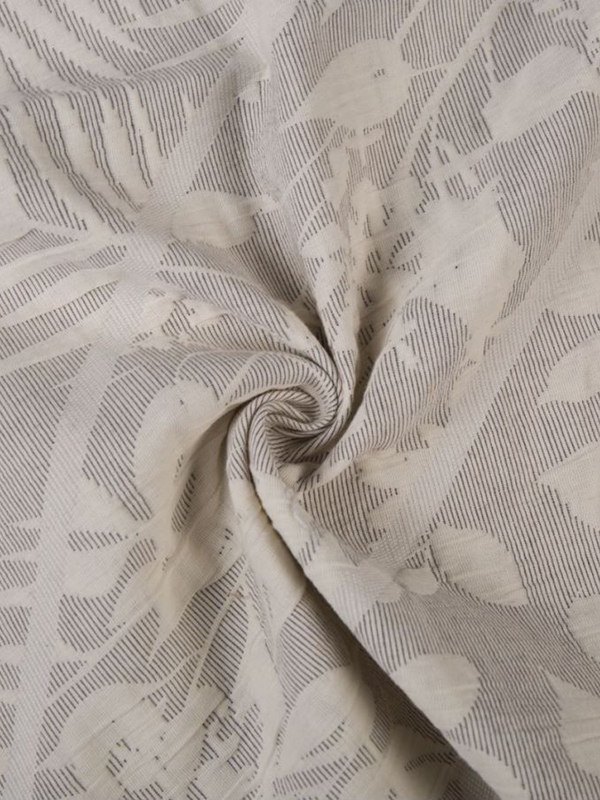
Bedding Fabric Explained: Cotton, Polyester & Blends for Buyers and Manufacturers
Sep 15,2026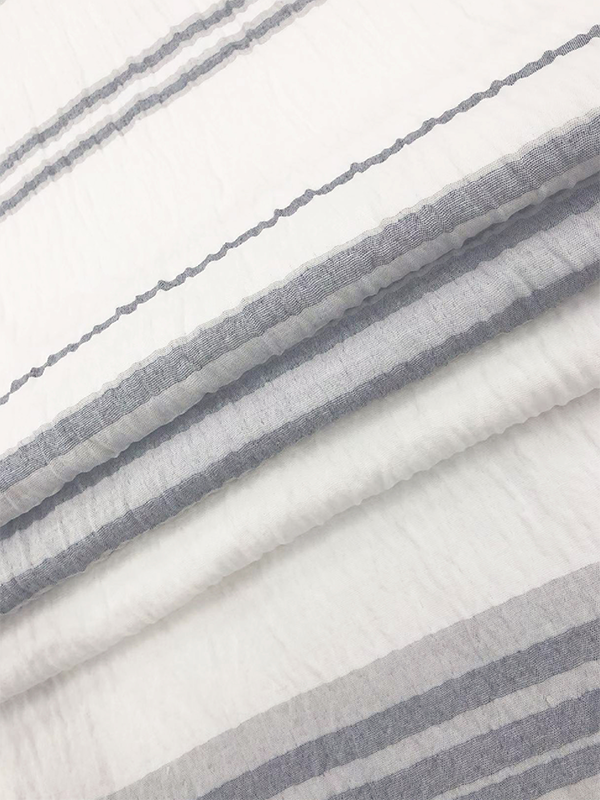
Bedding Fabric Guide: Cotton, Polyester, and Blended Options for Buyers
Sep 08,2026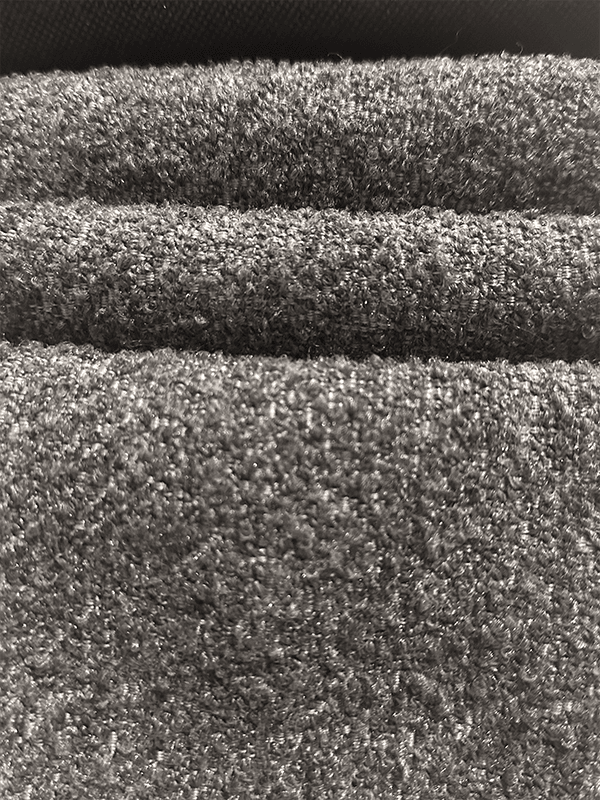
How Do You Choose the Right Sofa Upholstery Fabric?
Sep 01,2026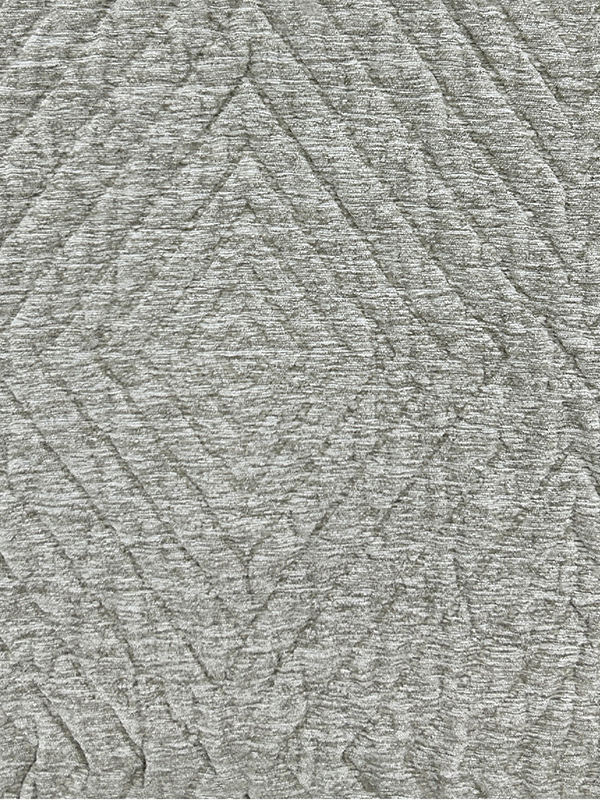
How Do You Choose the Right Sofa Upholstery Fabric for Your Home?
Aug 25,2026Content
Sofa upholstery fabric is a critical component in both the aesthetics and functionality of furniture. The right fabric combines durability, comfort, and style, enhancing the overall experience of using a sofa. Understanding the types, properties, and maintenance requirements of upholstery fabric helps homeowners, designers, and manufacturers make informed decisions.
From natural fibers like cotton and linen to synthetic options such as polyester and microfiber, each material offers distinct advantages and considerations. Factors like resistance to wear, stain protection, colorfastness, and texture play an essential role in selecting fabric that aligns with lifestyle and interior design goals.
Upholstery fabrics are categorized based on material composition, weaving techniques, and finish treatments. Each type offers unique aesthetic and functional characteristics.
Natural fibers like cotton, linen, wool, and silk provide comfort and breathability. Cotton is soft and easy to dye, while linen offers a textured, airy feel ideal for warmer climates. Wool provides durability and warmth, and silk adds a luxurious touch, although it requires careful maintenance.

Synthetic fabrics such as polyester, nylon, and acrylic are widely used for their stain resistance, durability, and ease of cleaning. Microfiber, a type of polyester, is particularly popular for its soft feel, resistance to liquids, and high abrasion tolerance.
Blended fabrics combine natural and synthetic fibers to optimize comfort, durability, and ease of care. For instance, a cotton-polyester blend may offer the softness of cotton with the stain resistance of polyester, making it suitable for high-traffic areas.
Selecting the right upholstery fabric requires understanding performance factors that affect longevity, comfort, and appearance.
Abrasion resistance is measured in double rubs, indicating how many times the fabric can withstand friction before showing wear. Heavy-duty sofas require fabrics with higher double rub counts, often exceeding 15,000 for residential use and 30,000 for commercial applications.
Colorfastness ensures that the fabric retains its hue despite exposure to sunlight, cleaning agents, and wear. Fabrics treated with UV-resistant dyes or pigments maintain vibrant colors over time, reducing fading in sunlit rooms.
Many modern upholstery fabrics incorporate protective finishes that repel liquids and resist staining. Treatments such as Teflon or Scotchgard make spills easier to clean and help preserve the fabric’s appearance for years.
Fabrics prone to pilling can develop small fiber balls over time, affecting aesthetics and comfort. Stretch resistance is crucial for maintaining tight seams and shape, especially on sofas with high use.
Beyond functionality, upholstery fabric impacts the visual style and theme of a space.
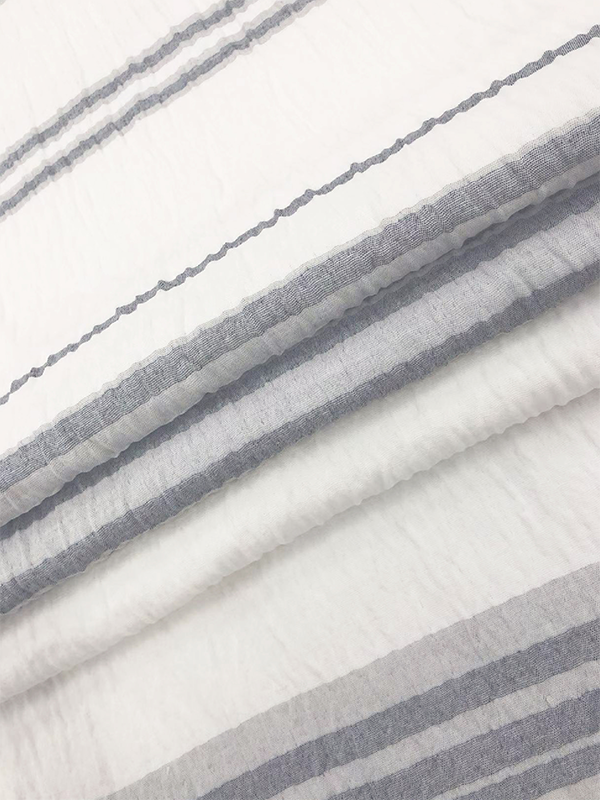
Solid-colored fabrics provide versatility, complementing various interior designs. They are easier to mix with patterned cushions and décor accessories and often allow for easy maintenance.
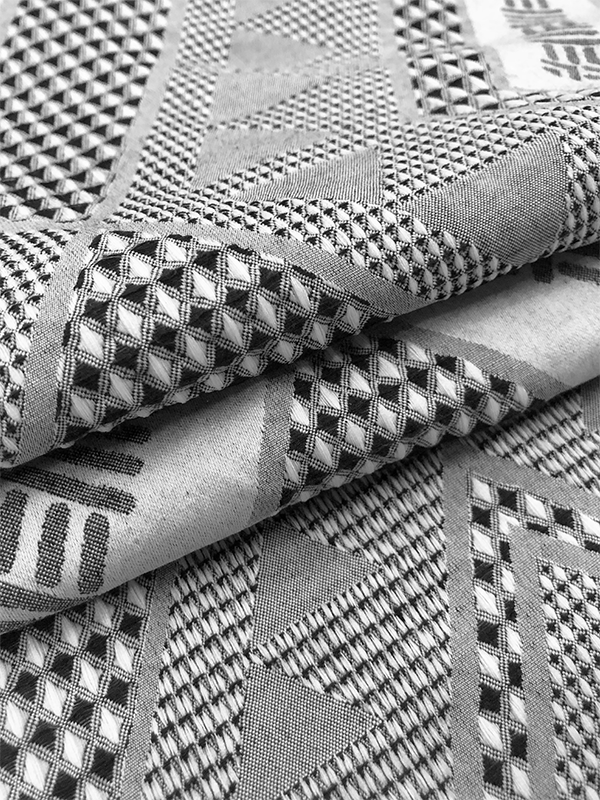
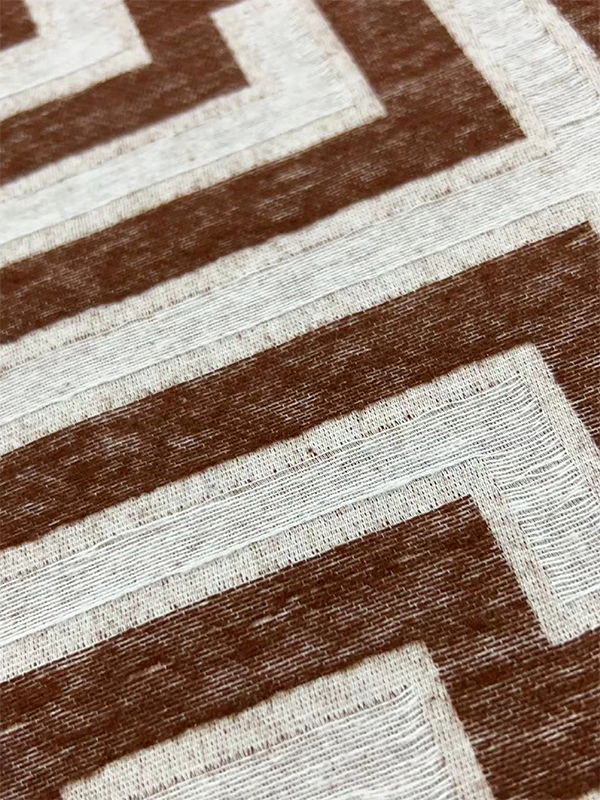
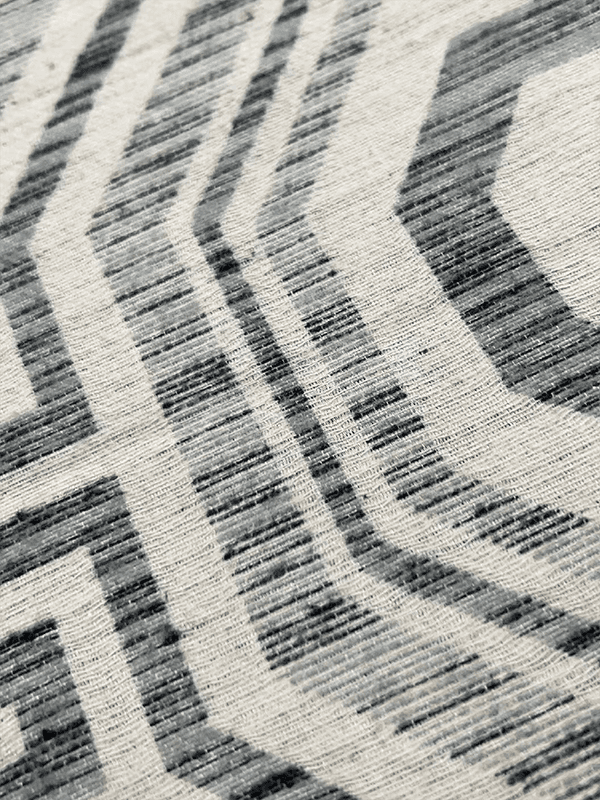
Patterned fabrics, including florals, geometric designs, and jacquard weaves, add character and depth. Textured fabrics like chenille or velvet enhance tactile experience and visual richness, creating a luxurious feel.
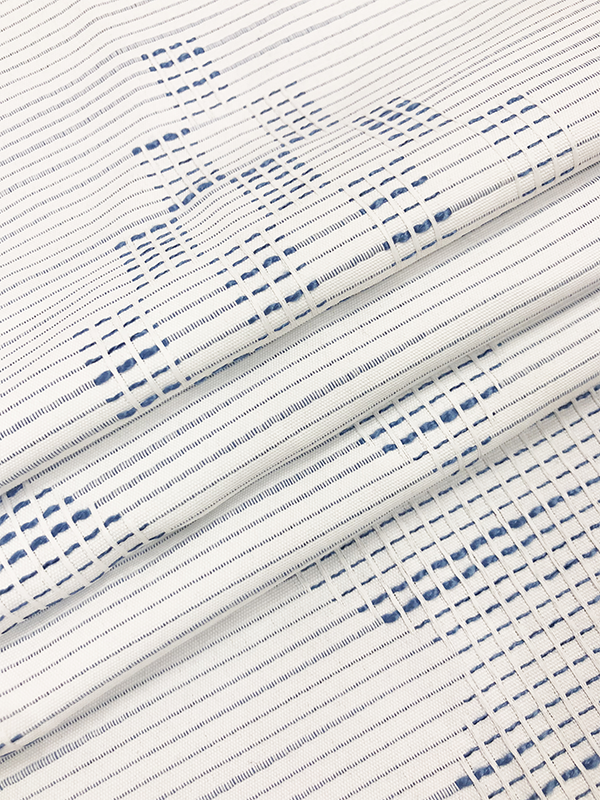
Weave types, such as plain, twill, and satin, influence durability, stretch, and appearance. Tight weaves typically offer higher abrasion resistance, while looser weaves provide more softness and drape.
Proper care extends the life and appearance of sofa upholstery fabrics, preserving color, texture, and structural integrity.
| Fabric Type | Durability | Maintenance | Comfort | Style |
| Cotton | Medium | Moderate | Soft & Breathable | Casual & Versatile |
| Linen | Medium | Moderate | Cool & Textured | Elegant & Natural |
| Polyester | High | Easy | Soft & Smooth | Modern & Durable |
| Velvet | Medium | Moderate | Luxurious & Plush | Sophisticated |
| Microfiber | High | Easy | Soft & Durable | Contemporary |
Selecting the ideal sofa upholstery fabric involves balancing durability, comfort, style, and maintenance requirements. By understanding material properties, performance characteristics, and care practices, consumers and designers can make informed decisions that ensure longevity, aesthetic appeal, and user satisfaction.
Whether choosing natural fibers for elegance or synthetic options for durability, the right upholstery fabric enhances both the functional and visual experience of a sofa, making it a lasting centerpiece in any living space.
What Is Circular Cut Cotton Fabric and Why Is It Widely Used in Apparel?
2026-01-20
Why Is 100% Cotton Bedding Fabric the Best Choice for Healthy Sleep?
2026-02-02
Your email address will not be published. Required fields are marked *
 Phone: +86-13362131543
 E-mail: [email protected]
E-mail: [email protected]
 Address: No 3 Zhongyuan RD.,Shenshi Lianmeng Industrial Zone,Xucun Town,Haining,Zhejiang,China
Copyright © Zhejiang OSD Textile Co., Ltd. All Rights Reserved.
