English
 中文简体
中文简体 Español
 عربى
عربى
Content
- 1 Key Benefits of 100% Cotton for Bedding
- 2 Types of Cotton Used in Bedding Fabrics
- 3 Weaving Methods and Fabric Feel
- 4 Thread Count and What It Really Means
- 5 Breathability and Temperature Regulation
- 6 Moisture Absorption and Skin Comfort
- 7 Durability and Long-Term Performance
- 8 Finishing Treatments and Fabric Performance
- 9 Care and Washing Guidelines
- 10 Shrinkage and Dimensional Stability
- 11 Sustainability and Organic Cotton Options
- 12 How to Choose the Right 100% Cotton Bedding Fabric
- 13 Conclusion: Why 100% Cotton Remains a Bedding Standard
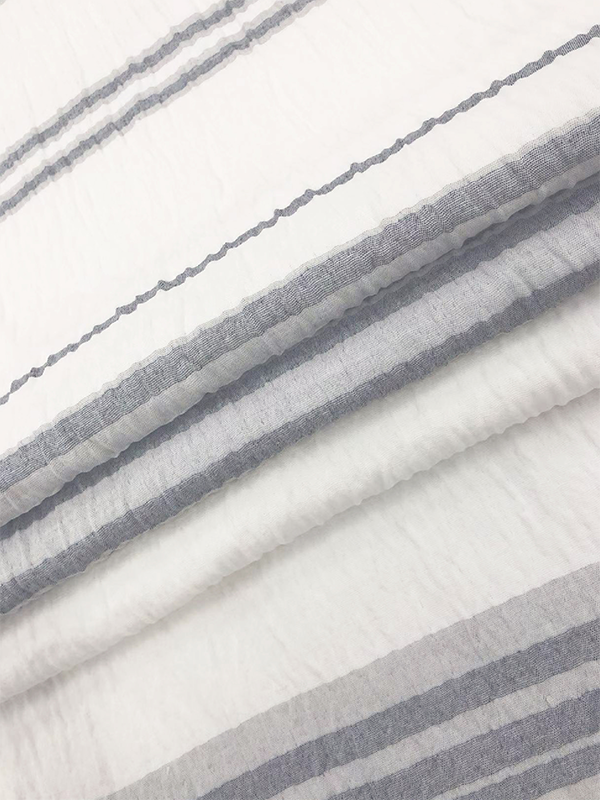
100% cotton bedding fabric refers to bed linens made entirely from natural cotton fibers without synthetic blends. This includes sheets, pillowcases, duvet covers, and mattress protectors that rely solely on cotton yarn for their structure and performance. Cotton is widely valued for its breathability, softness, and moisture absorption, making it one of the most popular materials for bedding worldwide.
Unlike blended fabrics, pure cotton bedding offers consistent natural fiber performance. This is especially important for consumers seeking temperature regulation, skin comfort, and reduced static or irritation during sleep.
Key Benefits of 100% Cotton for Bedding
Cotton bedding is known for a balanced combination of comfort, durability, and easy care. These benefits are the reason cotton remains a standard material for both home and hospitality bedding.
- High breathability for better temperature regulation.
- Excellent moisture absorption for dry sleep conditions.
- Soft hand feel that improves with repeated washing.
- Low static and reduced skin irritation.
These properties make 100% cotton bedding suitable for year-round use and for people with sensitive skin or allergies.
Types of Cotton Used in Bedding Fabrics
Not all cotton is the same. The fiber length, origin, and processing method significantly affect the softness, strength, and price of bedding fabrics.
Upland Cotton
Upland cotton is the most common type used in bedding. It has shorter staple length compared to premium varieties but offers good durability and cost efficiency. Most standard cotton sheets on the market are made from upland cotton.
Egyptian Cotton
Egyptian cotton is known for its extra-long staple fibers, which produce smoother, stronger, and finer yarns. Bedding made from genuine Egyptian cotton typically has a more luxurious feel and better resistance to pilling.
Pima and Supima Cotton
Pima cotton, including certified Supima cotton, is grown primarily in the United States and other select regions. It offers long staple length, high strength, and excellent softness, making it a popular choice for premium cotton bedding.
Weaving Methods and Fabric Feel
The weave structure of 100% cotton bedding fabric has a major impact on texture, breathability, and durability. Different weaves are selected based on comfort preferences and performance requirements.
Percale Weave
Percale is a plain weave that produces a crisp, cool, and matte finish. It is highly breathable and ideal for warm sleepers or hot climates. Percale sheets are often favored in hotels for their clean feel and durability.
Sateen Weave
Sateen uses a satin-style weave to create a smoother, silkier surface with a subtle sheen. It feels warmer and drapes more fluidly, making it suitable for cooler environments or consumers who prefer a softer touch.
Twill Weave
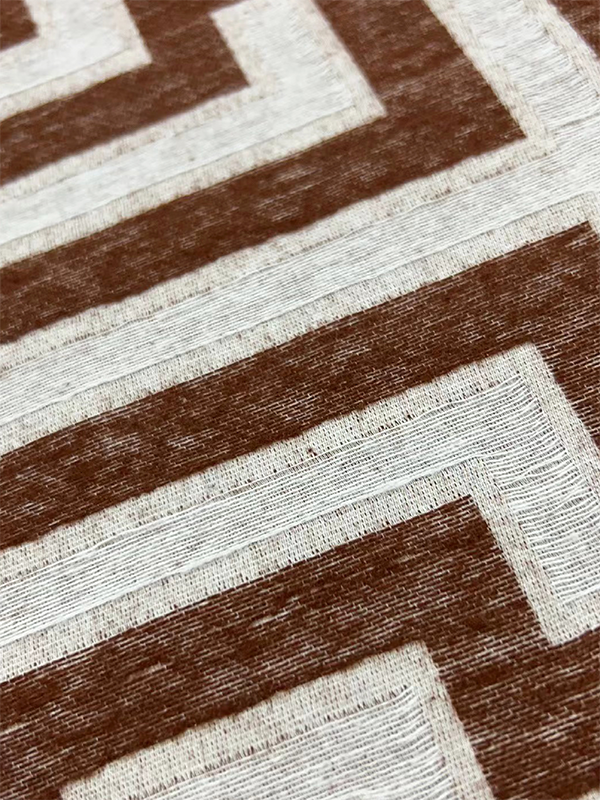
Twill weave cotton bedding is less common but offers a distinctive diagonal pattern. It is generally heavier and more wrinkle-resistant, providing added durability for frequent washing.
Thread Count and What It Really Means
Thread count refers to the number of threads per square inch of fabric. While often used as a marketing metric, thread count alone does not determine fabric quality.
High-quality long-staple cotton with a moderate thread count can outperform lower-quality cotton with inflated thread counts. Extremely high thread counts may involve multi-ply yarns that increase the number but not necessarily comfort or durability.
| Thread Count Range | Typical Feel | Best Use |
| 200–300 | Crisp and breathable | Hot sleepers, hotels |
| 300–500 | Soft and balanced | Everyday home use |
| 500+ | Smooth and dense | Luxury feel |
Breathability and Temperature Regulation
One of the main reasons consumers choose 100% cotton bedding fabric is its natural breathability. Cotton fibers allow air to circulate through the fabric, helping regulate body temperature during sleep.
This makes cotton bedding especially suitable for people who sleep hot, as well as for use in warm or humid climates. Proper airflow reduces heat buildup and promotes more comfortable, uninterrupted sleep.
Moisture Absorption and Skin Comfort
Cotton fibers are highly absorbent, capable of drawing moisture away from the skin. This moisture-wicking behavior helps keep sleepers dry and reduces the feeling of clamminess during the night.
For individuals with sensitive skin, 100% cotton bedding is often preferred because it is less likely to trap heat, sweat, or chemical residues compared to synthetic fabrics.
Durability and Long-Term Performance
High-quality 100% cotton bedding fabric is designed to withstand repeated washing and daily use. Long-staple cotton fibers produce stronger yarns, which improve resistance to tearing and pilling.
Over time, well-made cotton bedding often becomes softer while maintaining structural integrity. This combination of durability and comfort contributes to strong long-term value.
Finishing Treatments and Fabric Performance
Some cotton bedding fabrics undergo additional finishing processes to enhance performance. These may include pre-shrinking, wrinkle-resistant treatments, or enzyme washing for extra softness.
While finishes can improve convenience and hand feel, buyers should consider whether chemical treatments align with their preferences for natural or eco-friendly bedding products.
Care and Washing Guidelines
Proper care is essential to maintain the appearance and performance of 100% cotton bedding fabric. Washing in warm or cool water and using mild detergents helps preserve fiber strength and color.
Avoiding excessive heat during drying reduces shrinkage and fabric stress. Line drying or low-heat tumble drying can extend the life of cotton bedding and maintain softness.
Shrinkage and Dimensional Stability
Cotton is a natural fiber and may shrink if not properly pre-treated. Many manufacturers apply pre-shrinking processes to minimize size changes after washing.
Consumers should check product specifications and care labels to understand expected shrinkage and ensure proper fit on mattresses and bedding inserts.
Sustainability and Organic Cotton Options
Sustainability is an increasing consideration in bedding purchases. Organic cotton is grown without synthetic pesticides or fertilizers and is often certified by recognized standards.
Choosing organic or responsibly sourced cotton bedding can reduce environmental impact and support more sustainable agricultural practices.
How to Choose the Right 100% Cotton Bedding Fabric
When selecting cotton bedding, buyers should evaluate cotton type, weave, thread count, and finishing treatments. These factors work together to determine comfort, durability, and price.
Matching bedding specifications to climate, sleep habits, and personal preferences ensures better long-term satisfaction and sleep quality.
Conclusion: Why 100% Cotton Remains a Bedding Standard
100% cotton bedding fabric continues to be a top choice due to its natural comfort, breathability, and versatility. Its ability to adapt to different climates and sleep styles makes it suitable for a wide range of consumers.
By understanding cotton types, weaving methods, and care practices, buyers and manufacturers can make informed decisions that maximize comfort, durability, and overall bedding performance.