English
 中文简体
中文简体 Español
 عربى
عربى
Content
- 1 Understanding Natural Fabric Options for Sofa Upholstery
- 2 Linen Fabric Characteristics and Applications
- 3 Leather Upholstery Types and Quality Grades
- 4 Synthetic and Performance Fabric Technologies
- 5 Specialty Fabrics for Specific Requirements
- 6 Evaluating Durability Through Industry Testing Standards
- 7 Comparing Leather and Faux Leather Options
- 8 Wool and Wool Blend Upholstery Fabrics
- 9 Maintenance Requirements Across Different Fabric Types
- 10 Making the Right Fabric Choice for Your Lifestyle
- 11 Emerging Sustainable and Eco-Friendly Fabric Options
Understanding Natural Fabric Options for Sofa Upholstery
Natural fabrics have been the foundation of sofa upholstery for centuries, offering unique characteristics that synthetic materials often struggle to replicate. These materials derived from plant or animal sources provide breathability, comfort, and aesthetic appeal that many homeowners prefer. Understanding the properties, advantages, and limitations of natural sofa fabrics helps consumers make informed decisions that align with their lifestyle requirements and aesthetic preferences.
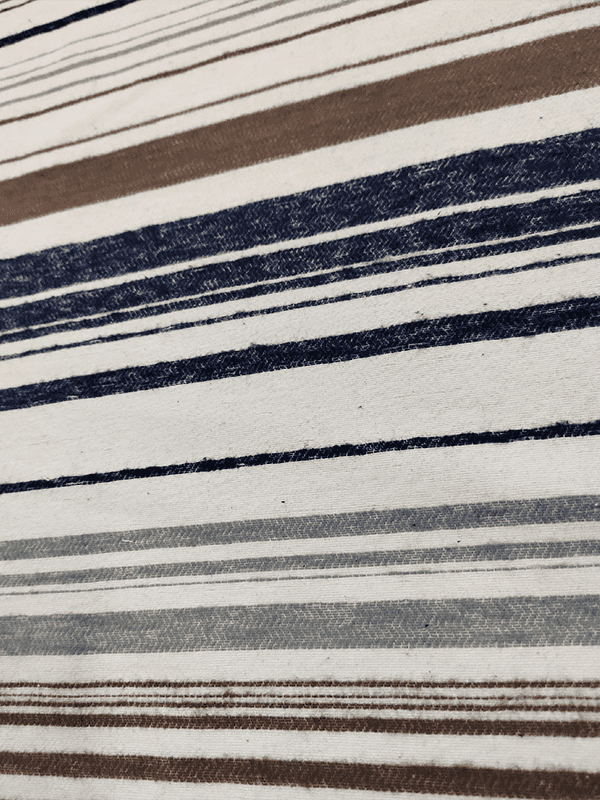
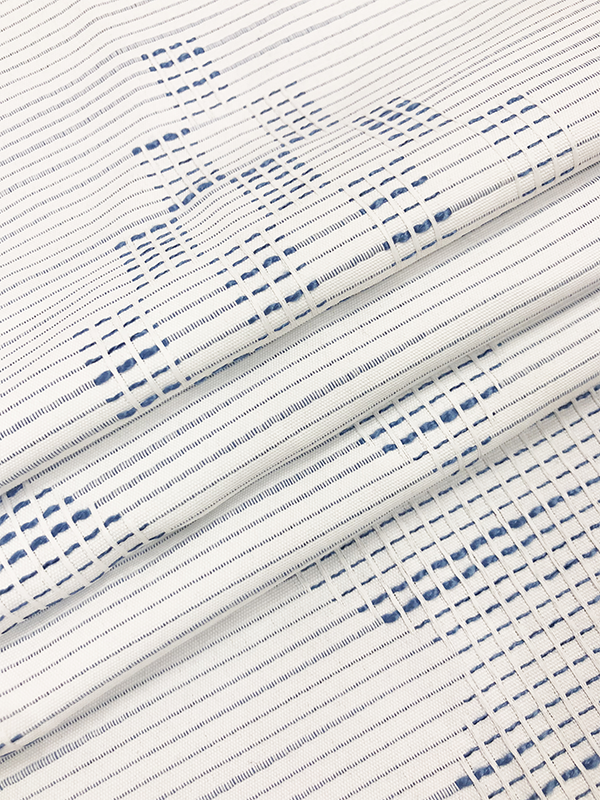
Cotton stands as one of the most popular natural fabric choices for sofa upholstery due to its softness, breathability, and versatility. Cotton fabrics can be woven in various weights and textures, from lightweight chintz to heavy-duty canvas, making them suitable for different sofa styles and usage patterns. The natural fibers allow air circulation, preventing the uncomfortable heat buildup associated with some synthetic materials. Cotton accepts dyes exceptionally well, enabling manufacturers to produce vibrant colors and intricate patterns that remain stable over time.
However, cotton does present certain challenges in sofa applications. Pure cotton fabrics are susceptible to wrinkling, fading from sunlight exposure, and staining from spills. The material also tends to absorb moisture, which can lead to mildew formation in humid environments. To address these limitations, many manufacturers blend cotton with synthetic fibers like polyester, creating fabrics that retain cotton's comfort while improving durability and stain resistance. Cotton-blend fabrics typically contain 50-80% cotton combined with polyester or other synthetics, offering an optimal balance of natural feel and practical performance.
Linen Fabric Characteristics and Applications
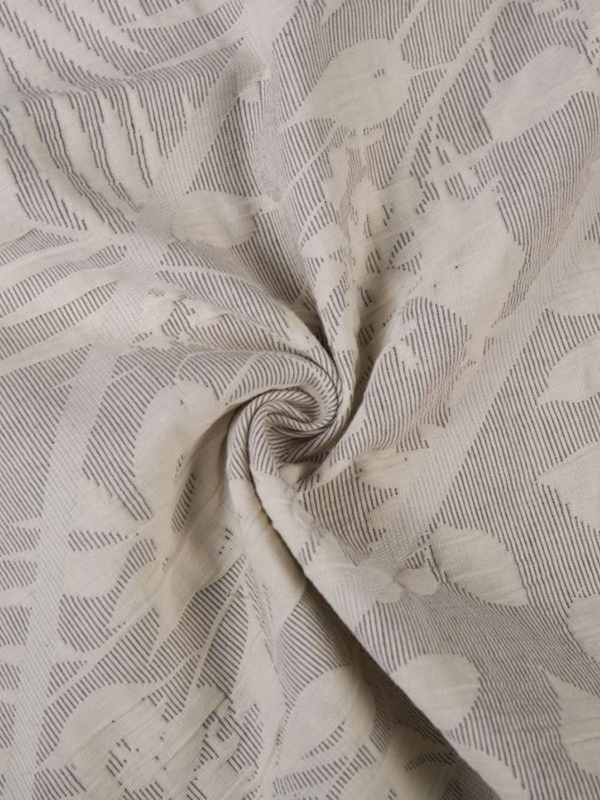
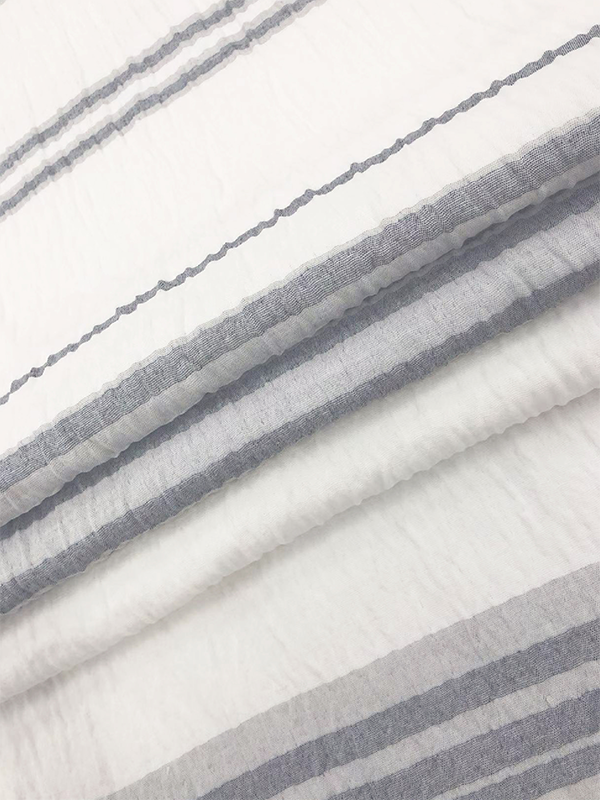
Linen represents another natural fiber option that has gained popularity in contemporary sofa design. Derived from flax plants, linen offers a distinctive texture and appearance that conveys casual elegance and relaxed sophistication. The fabric's natural slub texture—characterized by slight irregularities in the weave—creates visual interest and depth that many designers and homeowners appreciate. Linen's exceptional breathability makes it particularly comfortable in warm climates, and the fabric develops a soft, lived-in patina over time that many consider aesthetically appealing.
The durability of linen deserves special attention. While individual linen fibers are stronger than cotton, linen fabrics are more prone to wrinkling and creasing, which some view as part of the material's charm while others find impractical. Linen's natural tendency to wrinkle means that linen-upholstered sofas develop a relaxed, informal appearance that suits certain interior design styles better than others. The fabric also lacks natural elasticity, which can lead to sagging in high-use areas over extended periods.
Care requirements for linen sofas are more demanding than some alternatives. The fabric typically requires professional cleaning to maintain its appearance and avoid shrinkage. Water-based stains can be particularly problematic on linen, as the absorbent nature of the fibers allows liquids to penetrate quickly. Despite these considerations, linen remains a preferred choice for those prioritizing natural materials, environmental sustainability, and a specific aesthetic that embraces textural authenticity.
Leather Upholstery Types and Quality Grades
Leather represents a premium upholstery material that offers unique durability, aging characteristics, and luxury appeal. Unlike textile fabrics, leather is a natural material that develops character over time, with its appearance evolving through use. Understanding the different types and grades of leather is essential for making appropriate selections based on budget, usage patterns, and maintenance preferences.
| Leather Type | Processing Method | Durability | Price Range |
| Full-Grain Leather | Minimal processing, natural surface retained | Highest | Premium |
| Top-Grain Leather | Surface sanded, finished coating applied | High | Mid to High |
| Corrected-Grain Leather | Heavy sanding, embossed pattern | Moderate | Mid-Range |
| Bonded Leather | Leather scraps bonded to fabric backing | Low | Budget |
Full-grain leather preserves the hide's natural surface, including its unique grain patterns, imperfections, and character marks. This type develops a rich patina over years of use, with the leather becoming softer and more supple while maintaining its structural integrity. Full-grain leather is highly resistant to wear and can last decades with proper care, making it the most expensive but ultimately most cost-effective option for long-term ownership.
Top-grain leather undergoes surface treatment to remove imperfections and create a more uniform appearance. While this processing reduces some of the natural character, it results in a more consistent product that resists staining better than full-grain alternatives. The protective finish applied to top-grain leather makes it easier to clean and maintain, though it may not develop the same rich patina as full-grain leather over time.
Synthetic and Performance Fabric Technologies
Synthetic fabrics have revolutionized sofa upholstery by offering performance characteristics that address many limitations of natural materials. Modern synthetic options provide exceptional durability, stain resistance, and ease of maintenance while increasingly matching or exceeding the aesthetic appeal of traditional fabrics. These engineered materials allow manufacturers to create sofas that withstand heavy use in family environments, commercial settings, and high-traffic areas.
Microfiber represents one of the most successful synthetic fabric innovations for sofa applications. Composed of extremely fine polyester fibers—typically measured in deniers much smaller than human hair—microfiber creates a soft, suede-like texture that appeals to many consumers. The tight weave and synthetic composition make microfiber highly resistant to staining, as liquids bead on the surface rather than immediately penetrating the fibers. This characteristic provides a critical window for blotting spills before they set, making microfiber an excellent choice for households with children or pets.
Polyester Blends and Their Advantages
Polyester serves as the workhorse of synthetic sofa fabrics, either used alone or blended with natural fibers to enhance performance. Pure polyester fabrics offer excellent color retention, resistance to stretching and shrinking, and easy care requirements. The material's inherent strength means that polyester-upholstered sofas maintain their appearance through years of use without developing the pilling, fading, or fiber breakdown common in lesser materials.
Modern polyester manufacturing techniques have dramatically improved the material's aesthetic qualities. Advanced texturing processes create fabrics that mimic natural materials like linen or wool while retaining polyester's practical benefits. Solution-dyed polyester, where color is integrated into the fiber during manufacturing rather than applied afterward, provides superior fade resistance that makes these fabrics suitable for sunny rooms or outdoor furniture applications.
Specialty Fabrics for Specific Requirements
Certain applications and preferences demand specialty fabrics designed for specific performance criteria or aesthetic effects. Velvet, experiencing a significant resurgence in contemporary furniture design, creates a luxurious appearance through its distinctive pile construction. The dense, vertical fibers catch light differently from various angles, producing the characteristic sheen and depth that makes velvet visually striking. Modern velvet sofas typically use synthetic fibers rather than traditional silk, combining the material's opulent appearance with improved durability and easier maintenance.
Performance fabrics represent an emerging category specifically engineered for demanding environments. These materials incorporate advanced technologies like nanotechnology treatments that create molecular-level barriers against stains, moisture-resistant finishes that prevent liquid penetration, and antimicrobial treatments that inhibit bacterial growth. Brands like Crypton, Sunbrella, and Revolution have developed proprietary fabric technologies that withstand extreme testing protocols, including resistance to bleach cleaning, permanent staining from common household substances, and colorfastness under intense UV exposure.
Outdoor-rated fabrics extend sofa placement options beyond traditional interior spaces. Solution-dyed acrylic fabrics offer exceptional UV resistance and water repellency, making them suitable for covered patios, sunrooms, and other semi-exposed environments. These fabrics resist mold and mildew growth while maintaining soft hand feel that rivals indoor upholstery options. The colorfastness of outdoor fabrics means they can withstand years of sunlight exposure without the significant fading that would quickly degrade standard upholstery materials.
Evaluating Durability Through Industry Testing Standards
Objective evaluation of sofa fabric durability relies on standardized testing protocols that measure specific performance characteristics. The Wyzenbeek test, commonly used in North America, measures abrasion resistance by rubbing fabric samples with wire mesh or cotton duck in a back-and-forth motion until visible wear occurs. The number of double rubs a fabric withstands before showing wear provides a quantifiable durability metric. Fabrics rated for 15,000 double rubs suit light residential use, while those achieving 30,000 or more double rubs are appropriate for heavy-duty residential or commercial applications.
The Martindale test, prevalent in European markets, employs a circular rubbing motion that some experts consider more representative of actual wear patterns. This test continues until two threads break or the fabric shows obvious wear. Results are reported as the number of cycles completed, with 20,000 cycles indicating moderate durability and 40,000 or more cycles signifying excellent performance suitable for intensive use.
Additional testing standards evaluate other critical performance aspects:
- Colorfastness testing measures resistance to fading from light exposure, with ratings from 1 to 8 where higher numbers indicate superior resistance to UV degradation
- Pilling resistance testing determines how readily fabric surfaces develop those annoying fiber balls that detract from appearance, particularly important for synthetic and blended fabrics
- Seam strength testing ensures that upholstery can withstand the tension placed on seams during use without tearing or separating
- Flammability testing verifies compliance with safety regulations, particularly important for commercial applications where strict fire codes apply
Comparing Leather and Faux Leather Options
Leather and synthetic leather alternatives each offer distinct advantages that appeal to different consumer priorities. Genuine leather provides unmatched durability, developing character through use while maintaining structural integrity for decades when properly maintained. The material breathes naturally, adjusting to body temperature and preventing the sticky feeling common with some synthetic alternatives. Leather's natural variation in grain, texture, and subtle color differences creates unique pieces where no two sofas are identical.
Faux leather technologies have advanced dramatically, with modern polyurethane and polyvinyl chloride products closely mimicking genuine leather's appearance and feel. Premium faux leather options incorporate textured surfaces, color variation, and even simulated grain patterns that can fool casual observation. The material advantages include lower cost, consistent appearance across production runs, easier cleaning, and appeal to consumers avoiding animal products for ethical or environmental reasons.
The practical differences become apparent with extended use. Genuine leather develops a patina that many consider increasingly attractive, while faux leather may show wear through cracking, peeling, or surface degradation, particularly in lower-quality products. Temperature sensitivity differs significantly—leather remains comfortable across temperature ranges while basic faux leather can feel cold in winter and uncomfortably warm in summer. However, high-quality bonded leather and premium polyurethane products have narrowed this performance gap considerably.
Wool and Wool Blend Upholstery Fabrics
Wool fabrics bring exceptional qualities to sofa upholstery that explain their continued popularity despite higher costs compared to synthetic alternatives. The natural crimp in wool fibers creates resilience that helps fabrics recover from compression, reducing the visible wear patterns and permanent indentations that develop in other materials. This resilience means wool-upholstered sofas maintain their appearance longer, with cushions retaining their shape and the fabric resisting the sagging common in materials with less elastic recovery.
Wool's natural properties extend beyond mechanical resilience to include inherent stain resistance and soil-hiding characteristics. The outer layer of wool fibers contains lanolin and a waxy coating that causes many liquids to bead rather than immediately penetrate. This natural water resistance provides time to address spills before they become permanent stains. Additionally, wool's complex color structure, resulting from the way light interacts with the fiber's scales and core, helps disguise minor soiling and wear that would be immediately visible on smooth synthetic fabrics.
Temperature regulation represents another significant advantage of wool upholstery. The fiber's structure creates millions of tiny air pockets that provide insulation while allowing moisture vapor to pass through. This combination keeps seated individuals comfortable across varying temperatures, preventing the cold sensation of leather in winter and the heat buildup of synthetic fabrics in summer. Wool also naturally resists flame spread without chemical treatments, an important safety consideration for upholstered furniture.

Maintenance Requirements Across Different Fabric Types
Proper maintenance significantly extends sofa fabric lifespan while preserving appearance and performance. Each material category requires specific care approaches based on its inherent properties and vulnerability to various damage mechanisms. Regular vacuuming with upholstery attachments removes surface dirt and debris that can abrade fibers and become embedded in the weave, causing premature wear and dullness. This simple maintenance task should be performed weekly for high-use sofas and bi-weekly for less frequently used pieces.
Cleaning codes provide essential guidance for appropriate cleaning methods and products. The letter W indicates water-based cleaning agents are safe, S specifies solvent-based cleaners only, WS allows either water or solvent-based products, and X means professional cleaning only with no water or solvents recommended. These codes typically appear on fabric tags or manufacturer documentation and should be strictly followed to prevent irreversible damage. Using incorrect cleaning products can set stains permanently, cause color bleeding, or damage protective treatments applied during manufacturing.
Specific maintenance strategies for common fabric types include:
- Cotton and linen fabrics benefit from immediate blotting of spills with clean, absorbent cloths, working from the outside of the stain inward to prevent spreading, followed by application of appropriate cleaning solutions based on the stain type
- Leather requires periodic conditioning with specialized leather care products that replace natural oils and prevent drying and cracking, typically every six to twelve months depending on environmental conditions
- Microfiber cleaning involves using rubbing alcohol or specialized microfiber cleaners with circular motions to lift stains, followed by brushing with a soft brush to restore the fabric's texture
- Velvet maintenance requires gentle brushing in the direction of the pile to prevent crushing and maintain the fabric's characteristic sheen, with spot cleaning performed carefully to avoid water rings
Making the Right Fabric Choice for Your Lifestyle
Selecting appropriate sofa fabric requires honest assessment of lifestyle factors, usage patterns, and maintenance commitment. Households with young children or pets face different requirements than empty-nesters or individuals living alone. High-traffic family rooms demand different fabric characteristics than formal living spaces used occasionally for entertaining. Budget considerations must balance initial purchase price against expected lifespan and replacement costs.
Families with children should prioritize performance fabrics with high abrasion resistance ratings, stain protection treatments, and easy cleaning requirements. Dark colors or patterns help disguise minor stains and wear better than light solid colors. Tight weaves resist snagging and prevent small objects from becoming embedded in the fabric. Leather and faux leather offer easy wipe-clean maintenance that can be invaluable for managing daily messes, though these materials may feel less cozy than textile options.
Pet owners face additional considerations, particularly regarding claw resistance and hair accumulation. Tightly woven synthetic fabrics like microfiber resist claw punctures better than loosely woven natural fabrics. Leather shows scratch marks from claws but doesn't snag or tear as readily as fabric. Smooth synthetic fabrics allow easier pet hair removal than textured fabrics that trap shed fur. Color selection should account for pet hair visibility, with medium tones often proving most practical.
Environmental conditions in the home influence fabric performance and longevity. Rooms with significant sun exposure require fabrics with high colorfastness ratings to prevent fading. Humid climates favor synthetic materials less prone to mildew than natural fibers. Homes with forced-air heating or low humidity benefit from fabrics that don't generate static electricity or dry out and crack. Climate-controlled environments with moderate humidity levels provide the best conditions for all fabric types, particularly natural materials and leather.
Emerging Sustainable and Eco-Friendly Fabric Options
Growing environmental awareness has driven innovation in sustainable sofa fabrics that reduce ecological impact without compromising performance or aesthetics. Recycled polyester, manufactured from post-consumer plastic bottles, offers performance characteristics identical to virgin polyester while diverting waste from landfills. Some manufacturers now offer fabrics containing 100% recycled content, certified by organizations like Global Recycled Standard, providing environmentally conscious consumers with verifiable sustainable options.
Plant-based leather alternatives represent another significant development in sustainable upholstery materials. Materials derived from pineapple leaves, apple waste, cactus, and mushroom mycelium create leather-like fabrics with substantially lower environmental footprints than traditional leather or petroleum-based synthetics. While these innovations currently occupy niche markets due to higher costs and limited availability, increasing production scale continues to improve their cost-competitiveness and performance characteristics.
Organic cotton and linen certified by programs like Global Organic Textile Standard ensure that natural fabrics are produced without harmful pesticides, synthetic fertilizers, or toxic processing chemicals. These materials appeal to health-conscious consumers concerned about chemical exposure in their homes. However, organic certification typically increases fabric costs by 20-40% compared to conventional alternatives, requiring consumers to weigh environmental benefits against budget constraints. The long-term trend toward sustainable materials continues to accelerate as manufacturing technologies improve and consumer demand grows for furniture options that align with environmental values.