 English
 中文简体
中文简体 Español
 عربى
عربىNews
Home / News / Industry News / What Are the Key Benefits of 100% Cotton Bedding Fabric Compared to Blends?

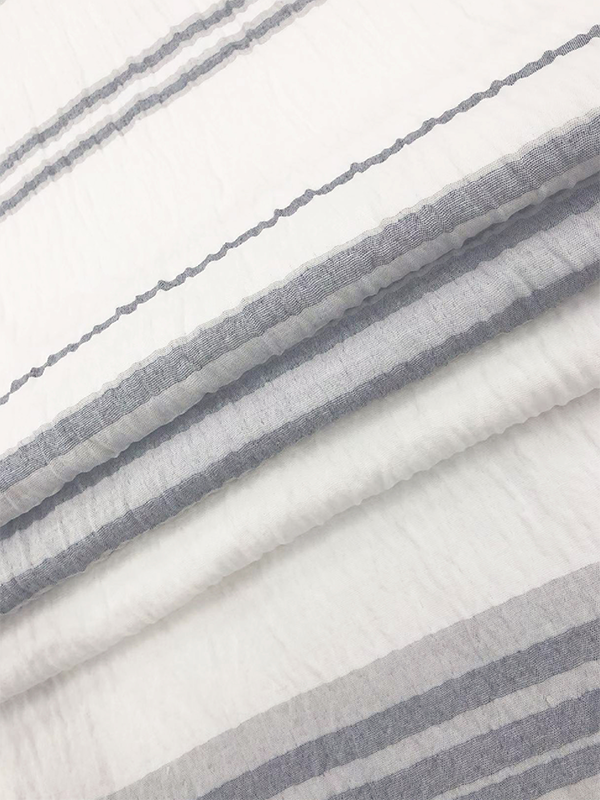
Bedding Fabric Guide: Cotton, Polyester, and Blended Options for Buyers
Sep 08,2026
How Do You Choose the Right Sofa Upholstery Fabric?
Sep 01,2026
How Do You Choose the Right Sofa Upholstery Fabric for Your Home?
Aug 25,2026
How Do You Choose the Right Curtain Fabric for Every Room?
Aug 19,2026
Which Bedding Fabric Is Actually Right for Your Sleep and Climate?
Aug 11,2026Content
100% cotton bedding fabric is made entirely from natural cotton fibers without blending with synthetic or semi-synthetic materials. This purity gives cotton bedding its well-known softness, breathability, and skin-friendly characteristics. In contrast, blended bedding fabrics often combine cotton with polyester, microfiber, or other fibers to reduce cost or enhance specific properties such as wrinkle resistance.
Understanding how pure cotton differs from blended fabrics helps consumers make more informed decisions, especially when comfort, health, and long-term value are important factors. While blends may appear similar at first glance, their performance over time can vary significantly.
One of the most significant benefits of 100% cotton bedding fabric is its excellent breathability. Cotton fibers allow air to circulate freely, helping to dissipate body heat during sleep. This natural airflow keeps sleepers cool in warm conditions and comfortably insulated in cooler environments.
Blended fabrics, especially those containing polyester, tend to trap heat and restrict airflow. This can lead to overheating and discomfort, particularly for people who sleep hot or live in warmer climates. Pure cotton bedding provides a more balanced sleep temperature throughout the night.
Cotton is highly absorbent, capable of absorbing moisture away from the skin without feeling damp. This property is essential for bedding, as it helps manage night sweats and humidity, keeping the sleeping surface dry and comfortable.
In comparison, blended fabrics often rely on synthetic fibers that repel moisture rather than absorb it. While some blends are marketed as moisture-wicking, they may not provide the same natural comfort or dryness as 100% cotton, especially during extended use.
The natural fibers in 100% cotton bedding fabric create a soft, smooth surface that feels gentle against the skin. This makes cotton bedding particularly suitable for people with sensitive skin, allergies, or those prone to irritation.
Blended fabrics may feel smooth initially, but synthetic components can create static, stiffness, or friction over time. Pure cotton becomes softer with repeated washing, enhancing comfort rather than diminishing it.
High-quality 100% cotton bedding fabric is known for its durability. When properly woven and finished, cotton fibers withstand frequent washing and daily use without significant pilling or loss of strength. This makes cotton bedding a reliable long-term investment.
Blended fabrics may resist wrinkles or drying shrinkage better, but they often show wear faster, such as surface pilling or fabric thinning. Over time, pure cotton bedding tends to maintain its integrity and comfort better than many blends.
100% cotton bedding fabric is easy to care for and widely compatible with standard washing and drying methods. It can tolerate higher wash temperatures, which helps remove allergens, dust mites, and bacteria more effectively.
Blended fabrics may require more careful temperature control to avoid heat damage or uneven wear. While some blends are designed to be low-maintenance, cotton’s straightforward care routine is often preferred for household bedding.
As a natural and biodegradable fiber, cotton has environmental advantages over synthetic materials. When responsibly sourced and processed, 100% cotton bedding fabric offers a more sustainable choice for eco-conscious consumers.
Blended fabrics containing synthetic fibers are harder to recycle and contribute to microplastic pollution during washing. Pure cotton bedding aligns better with sustainability goals and reduced environmental impact.
| Feature | 100% Cotton | Cotton Blends |
| Breathability | Excellent | Moderate |
| Moisture Absorption | High | Low to Medium |
| Skin Comfort | Very Skin-Friendly | Varies |
| Durability | High | Moderate |
While 100% cotton bedding fabric offers many advantages, blended fabrics remain popular for certain reasons. Blends often cost less, resist wrinkles, and dry faster, making them appealing for budget-conscious buyers or commercial settings.
However, these benefits often come at the expense of breathability, comfort, and long-term performance. Understanding these trade-offs helps consumers decide whether convenience or comfort is the higher priority.
Selecting between 100% cotton bedding fabric and blends depends on personal preferences, climate, and usage frequency. For everyday home use, people who value comfort, health, and sleep quality often find pure cotton to be the superior option.
For guest rooms, short-term use, or commercial applications, blends may offer acceptable performance at a lower cost. The key is matching fabric characteristics to real-world needs rather than relying solely on price or appearance.
Although 100% cotton bedding fabric may have a higher initial cost, its durability, comfort retention, and health benefits often deliver better long-term value. Cotton bedding improves sleep quality, adapts to seasonal changes, and remains comfortable after repeated washing.
When compared to blended fabrics that may need replacement sooner, pure cotton bedding proves to be a practical and worthwhile investment for long-term household use.
100% cotton bedding fabric stands out for its breathability, moisture control, skin-friendly comfort, and durability. Compared to blended fabrics, it provides a more natural and consistent sleep experience that supports overall well-being.
For consumers seeking comfort, quality, and long-term satisfaction, choosing 100% cotton bedding fabric over blends is a decision rooted in both practicality and everyday comfort.
Which Styles and Designs Work Best with Circle Yarn Sofa Fabric?
2026-01-01
What Are the Benefits of 100% Polyester Curtain Fabric for Home Decor?
2026-01-12
Your email address will not be published. Required fields are marked *
 Phone: +86-13362131543
 E-mail: [email protected]
E-mail: [email protected]
 Address: No 3 Zhongyuan RD.,Shenshi Lianmeng Industrial Zone,Xucun Town,Haining,Zhejiang,China
Copyright © Zhejiang OSD Textile Co., Ltd. All Rights Reserved.
