 English
 中文简体
 Español
 عربى
News
Home / News / Industry News / bedding fabric: Applications, Selection Criteria, and Practical Guidance

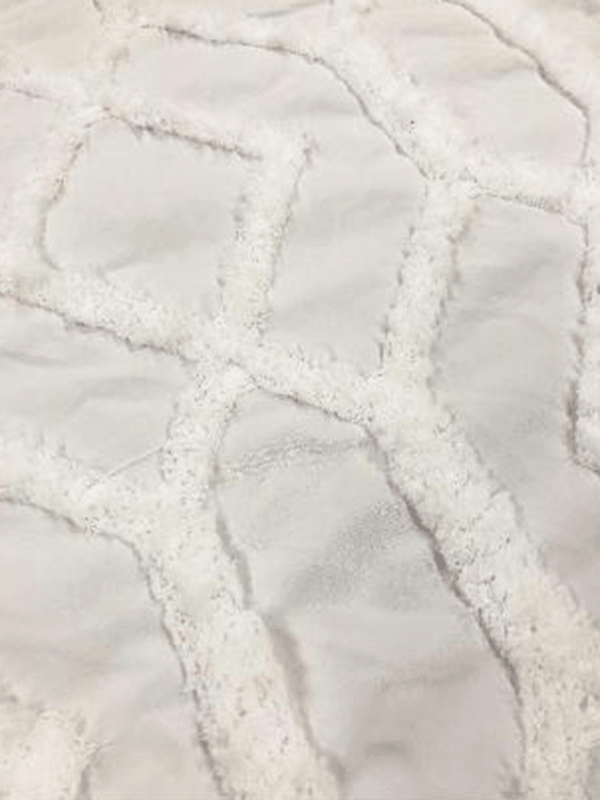
bedding fabric: Applications, Selection Criteria, and Practical Guidance
Nov 24,2026
How Do You Choose Between Cotton and Polyester Fabric for Home Textiles?
Nov 19,2026
Bedding Fabric Guide: How Fiber, Weave and Finish Shape Sheets and Duvets
Nov 12,2026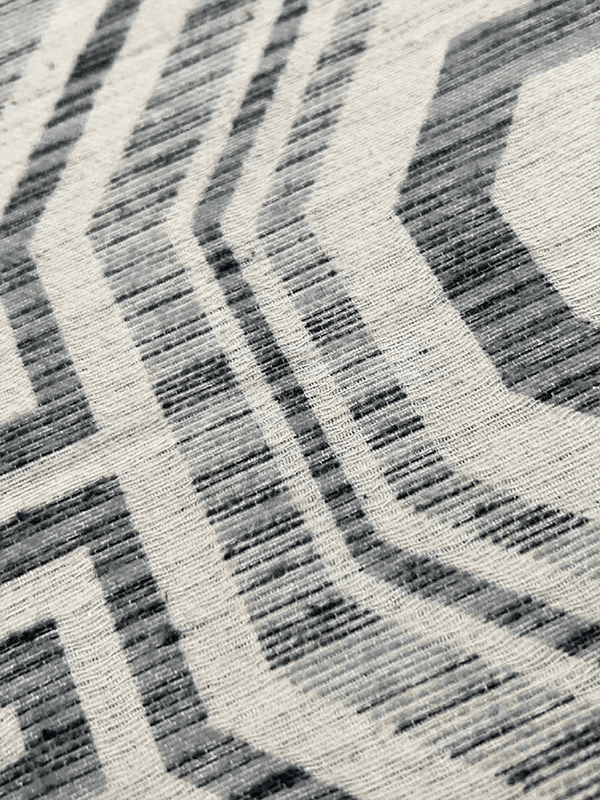
Hexagonal Interwoven Polyester Cotton Bedding Fabric: A Practical Buyer's Guide
Nov 03,2026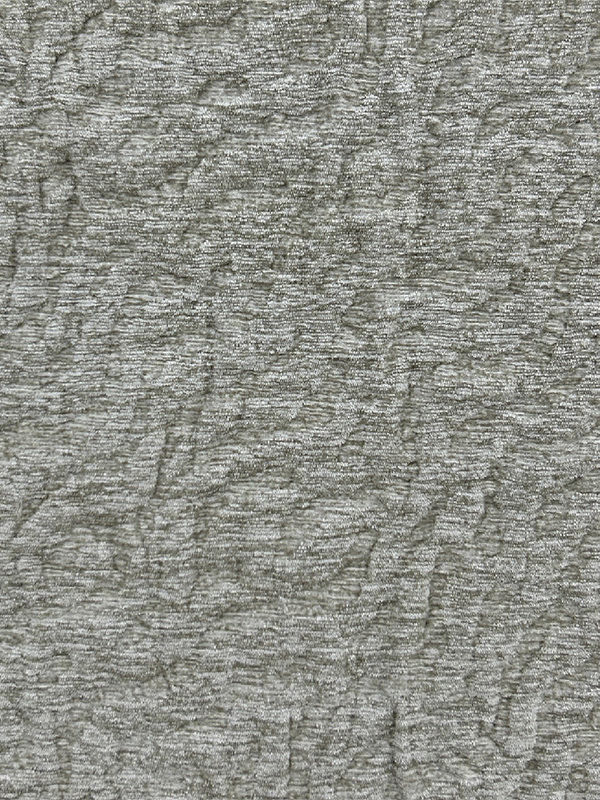
Inside a Cotton Fabric Factory: How Cotton Becomes Fabric and How Buyers Source It
Oct 26,2026Content
Bedding fabric is a phrase everyone in the trade uses and almost nobody defines the same way twice. A buyer in one market says it and means a crisp cotton percale; a designer in another says it and means a brushed polyester throw that feels like a cloud. Both are right. What sits underneath the label is a stack of decisions — fiber, yarn, weave, dyeing, finishing — and those decisions determine how the cloth feels on a cold night, how it survives a commercial laundry, and what it costs to land a container.
We have been making fabric since 2006, and most of our conversations with customers are really about that stack of decisions rather than about a single product name. So here is how we usually walk someone through it.
When a customer sends us a reference sample and says "make it feel like this," three things are almost always responsible for the difference: the fiber content, the way the yarns are interlaced, and the finish applied at the end of the line. Change any one of them and the same nominal fabric becomes a different product.
This matters because buyers often arrive with a fiber in mind — usually cotton — when what they actually want is a hand feel. Cotton can be made to feel papery or buttery depending on yarn count and weave. Polyester can be engineered to feel surprisingly close to cotton, or deliberately slick and cool. And a blend can beat both on cost without giving up much in comfort.
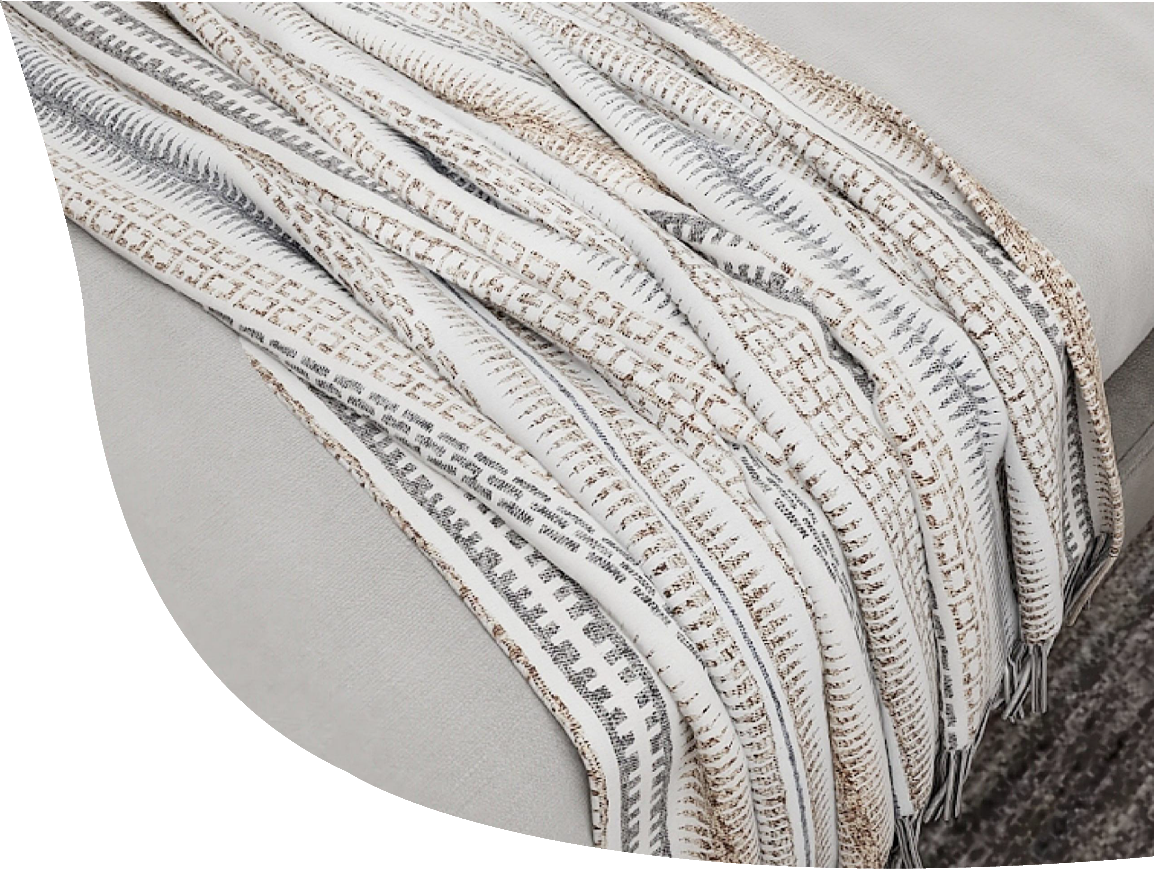 Bedding Fabric Options by Fiber, Weave, and PatternCompare 100% polyester, 100% cotton, and polyester-cotton bedding fabrics by fiber, weave, and pattern to match desired hand feel and cost.View Product →
Most bedding programs we produce are built on one of three fiber families, sometimes with a fourth brought in for a specific effect. The comparison below is the one we sketch on the whiteboard for new customers, and it is worth reading alongside a more detailed explanation of how fiber composition shapes feel and durability.
| Fiber family | Hand feel | Durability | Breathability and moisture | Care and cost |
|---|---|---|---|---|
| 100% cotton | Dry, soft, slightly crisp when new; softens with every wash | Good; combed and long-staple yarns resist pilling | High; absorbs and releases moisture readily | Washes hot, wrinkles, shrinks slightly; higher cost per meter |
| 100% polyester | Engineered from peach-soft to smooth and cool | Excellent; strong, abrasion-resistant, holds color | Low absorbency; wicks well if finished for it, clammy if not | Lowest cost, fast drying, minimal ironing; heat-sensitive |
| Polyester-cotton blend | Balanced; closer to cotton at 60/40, crisper at 50/50 | Very good; cotton softness with polyester strength | Moderate; comfortable for most domestic use | Mid-range cost, easy care, dependable shrinkage control |
Where cotton usually wins is in sheeting for warm sleepers and in any product where the fabric touches skin for eight hours. Where polyester wins is in throws, quilted covers, and value-driven ranges where color fastness and dimensional stability matter more than absorbency. The blend is the pragmatic middle, and in our experience it is the one that survives the most market variations without a redesign.
Two fabrics can carry identical fiber labels and feel nothing alike, because the loom does half the work. A plain weave — the simple over-and-under structure behind percale — gives a flat, matte, breathable surface that feels cool and stays crisp. Twill shifts the interlacing points to create a subtle diagonal and a denser, heavier drape. Sateen floats the warp yarns across several weft yarns to produce that quiet sheen and slippery smoothness many hotel programs are built on.
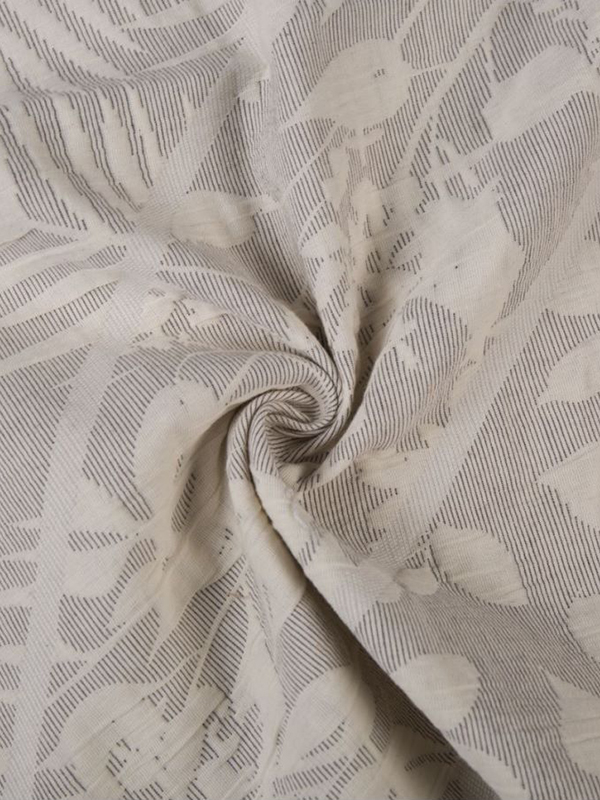
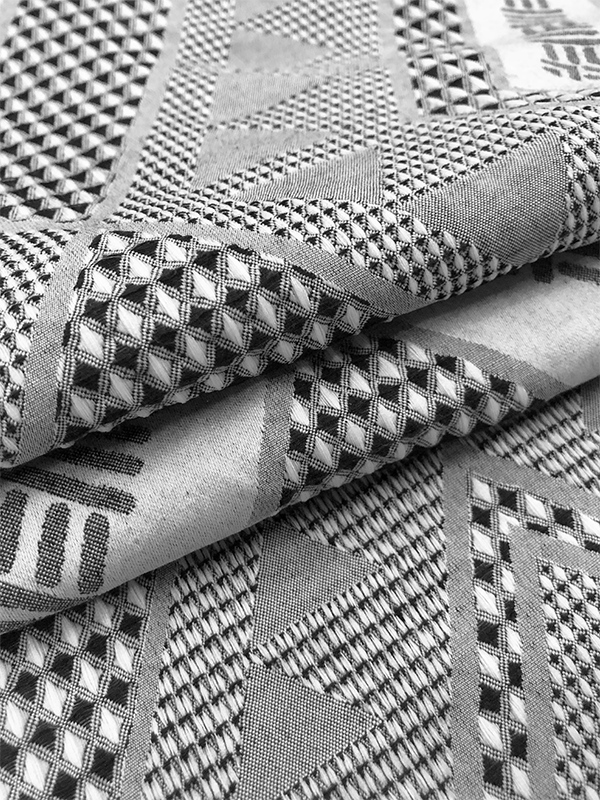
Then there are the constructions that create texture rather than smoothness. Waffle and honeycomb structures trap a little air in the raised cells, which is why they appear so often in blankets and coverlets that need to feel warm without weight. Chenille brings a soft, velvety pile to the surface. Jacquard builds the pattern into the cloth itself instead of printing it on top, so the design survives washing and keeps a dimensional quality that flat printing cannot match.
For a deeper technical walkthrough, our team often points customers to this explanation of how weave affects texture, appearance, and performance. In practice, though, the fastest way to choose is to hold the cloth.
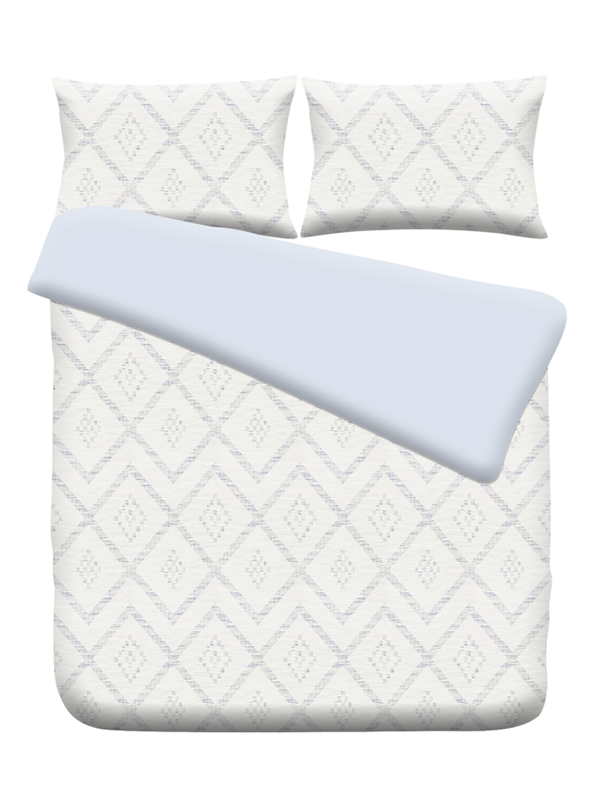 Blue and White Checkered Waffle Polyester Bedding Fabric100% polyester 150gsm 280cm bedding fabric with a blue-and-white waffle checkered design, OEKO-TEX Standard 100 certification, and easy-care properties for duvets.View Product →
Finishing is the stage customers ask about least and notice most. A silicone softener can turn a serviceable polyester into something that feels almost cotton-like against the skin. Sand washing softens the surface and gives a slightly worn, vintage look that photographs well. Calendering presses the cloth smooth and adds a low sheen; brushing raises a fine nap for warmth.
Functional finishes are a separate conversation. Anti-pilling treatment extends the life of a brushed surface appreciably. Moisture-wicking finishes help polyester behave like a performance fabric rather than a plastic one. Wrinkle-resistant and easy-care finishes reduce the ironing burden for both households and hospitality laundries. Each one adds cost, so the question is never whether a finish is good, but whether it earns its place in the product you are building.
The same mill can supply a dozen bedding fabrics that all look plausible on a swatch card and perform very differently once cut and sewn. Sheets want a lightweight, breathable cloth with enough body to drape without clinging — plain weave cotton or a fine poly-cotton is the usual answer. Duvet covers can carry more weight and more surface interest, which is where sateen, twill, and jacquard earn their keep. Blankets and throws need structures with air in them, or a pile that holds warmth.
Decorative cushions and bed skirts sit at the other end of the spectrum: they are seen far more than they are touched, so pattern, color depth, and seam behavior matter more than hand feel. It is also where a slightly heavier construction pays off, because a cushion cover that sags after a season is a return waiting to happen. Our home textile fabric range covers much of that ground, including the blanket-style constructions that bridge the gap between bedding and living room.
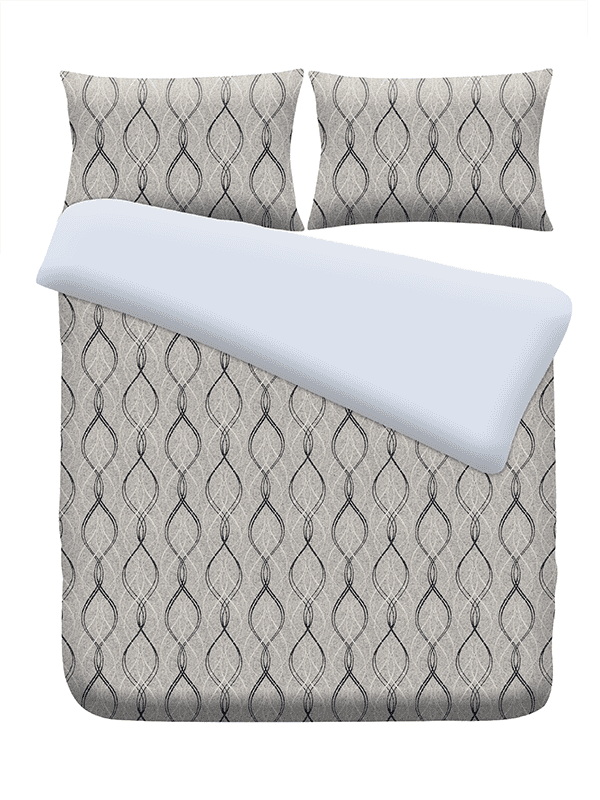 Irregular Interwoven Ripple Line Cotton Bedding Fabric100% cotton 160gsm 280cm bedding fabric featuring irregular black-and-white wavy lines and an elliptical motif on a gray base for home textiles.View Product →
After the swatches have been narrowed to two or three, the conversation turns practical. These are the questions we hear most often, and they are worth settling before a sample is approved rather than after:
Because we work as a factory rather than a trading desk, these questions usually get answered with a sample rather than a brochure. Design changes are part of the normal flow — customers send drawings or physical samples, we propose constructions that meet them, and the spec gets refined until the approved sample and the bulk order behave the same way.
Care instructions are not just a label requirement; they are the difference between a fabric that looks new for two years and one that looks tired in six months. Cotton likes a warm wash and a low tumble, and it rewards being taken out of the dryer slightly damp. Polyester prefers cooler settings and should be kept away from high heat. Blends tolerate more error, which is a large part of their appeal. Whatever the fiber, washing less often and drying gently does more for longevity than any additive.
Bedding fabric is ultimately a conversation between what a cloth is made of, how it is built, and how it is finished — and the best choice is rarely the most premium one, it is the one that matches the product and the market it is going into. If you are weighing two directions and cannot quite decide between them, that is usually the point where a small sample run settles the question faster than any specification sheet.
Your email address will not be published. Required fields are marked *
 Phone: +86-13362131543
 E-mail: [email protected]
 Address: No 3 Zhongyuan RD.,Shenshi Lianmeng Industrial Zone,Xucun Town,Haining,Zhejiang,China
Copyright © Zhejiang OSD Textile Co., Ltd. All Rights Reserved.
