English
 中文简体
中文简体 Español
 عربى
عربى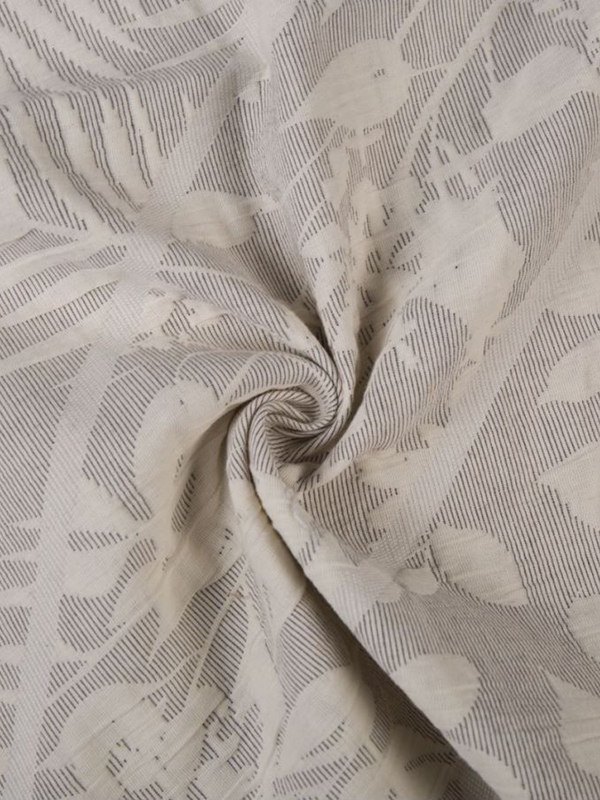
Content
- 1 What Is Cotton Jacquard Fabric?
- 2 How the Jacquard Weaving Process Creates Pattern
- 3 Key Properties of Cotton Jacquard Fabric
- 4 Common Types of Cotton Jacquard Fabric
- 5 Applications in Home Textiles
- 6 Applications in Fashion and Apparel
- 7 How to Care for Cotton Jacquard Fabric
- 8 Choosing Quality Cotton Jacquard: What to Look For
What Is Cotton Jacquard Fabric?
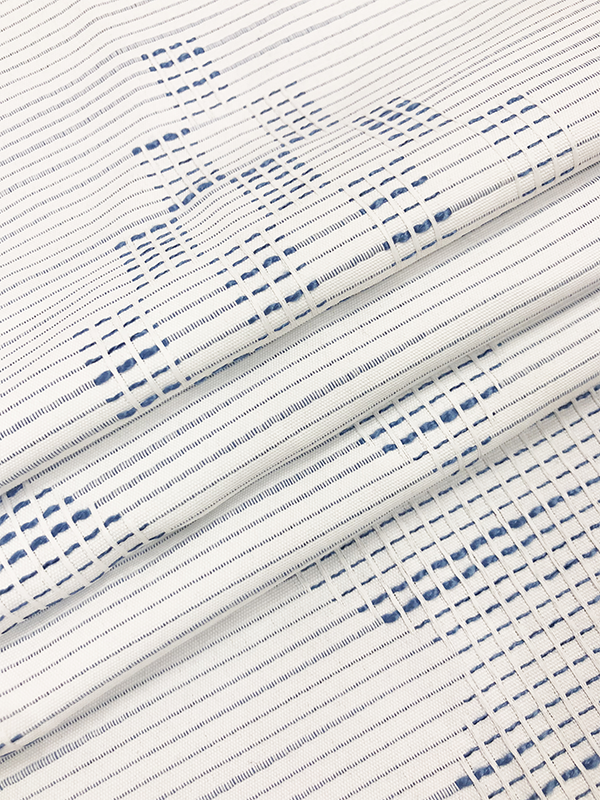
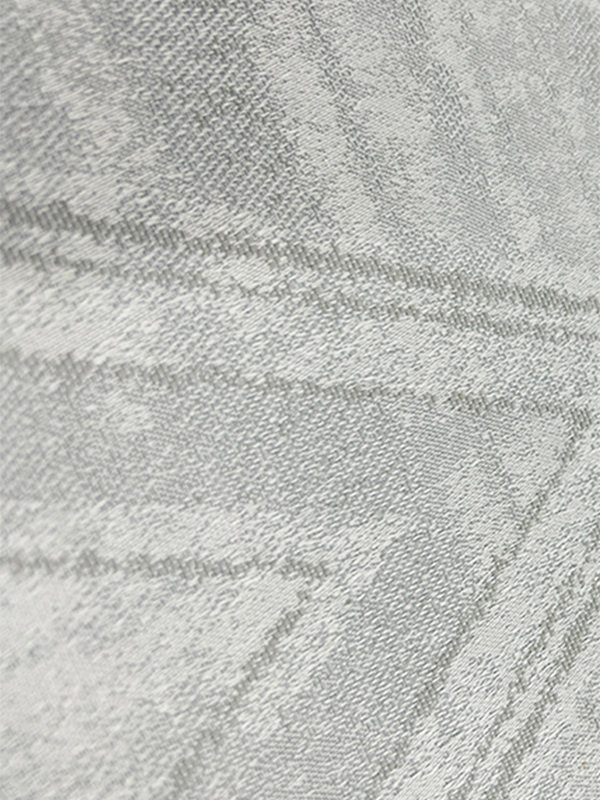
Cotton jacquard fabric is a woven textile produced on a Jacquard loom — a mechanized weaving system invented by Joseph Marie Jacquard in 1804 — using cotton yarn as the primary fiber. What distinguishes jacquard fabric from ordinary woven fabrics is not the material but the method: the Jacquard loom controls each warp thread individually rather than in groups, allowing it to produce intricate, self-patterned designs directly within the weave structure itself. The pattern is not printed on the surface or embroidered after weaving — it is built into the fabric during the weaving process, making it inherently durable and reversible in most constructions.
When cotton is the chosen fiber for this process, the resulting fabric combines the complexity and visual richness of jacquard weaving with the natural softness, breathability, and accessibility that cotton provides. Cotton jacquard fabrics range from lightweight, fine-textured materials used in shirting and summer apparel to heavier, more structured weaves used in upholstery, curtains, and bedding. The versatility of the fiber combined with the design freedom of jacquard weaving makes cotton jacquard one of the most commercially important categories in both fashion and home textile markets globally.
How the Jacquard Weaving Process Creates Pattern
The defining characteristic of any jacquard fabric lies in how its pattern is formed. In conventional weaving, a series of heddles — frames that lift groups of warp threads — create the basic interlacing structure. This approach limits pattern complexity because all threads in a group must move together. The Jacquard mechanism replaces or augments this system with a series of hooks and needles that can lift each individual warp thread independently, controlled originally by punched cards and today by digital electronic systems integrated with CAD design software.
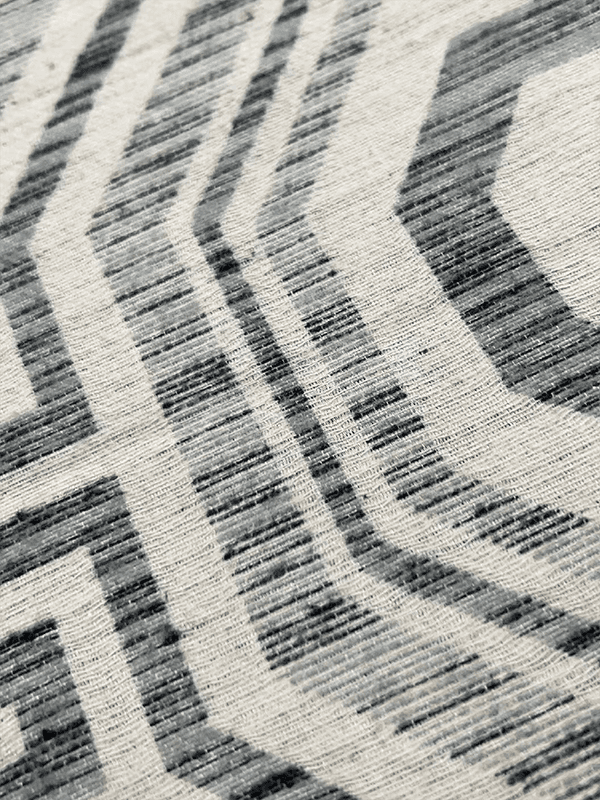
As the loom weaves, the Jacquard controller reads the design file row by row and selects precisely which warp threads to raise for each pass of the weft yarn. By varying which threads are lifted and which remain down, the system creates areas of warp-dominant and weft-dominant interlacing that reflect light differently, producing the tonal contrast that makes the pattern visible without the use of different colored yarns — though multi-color jacquards using several weft yarns are also widely produced. In cotton jacquard fabrics, this contrast is typically subtle and sophisticated, with the pattern revealed through texture and sheen rather than bold color difference, which is one reason the fabric is associated with quality and refinement.
Key Properties of Cotton Jacquard Fabric
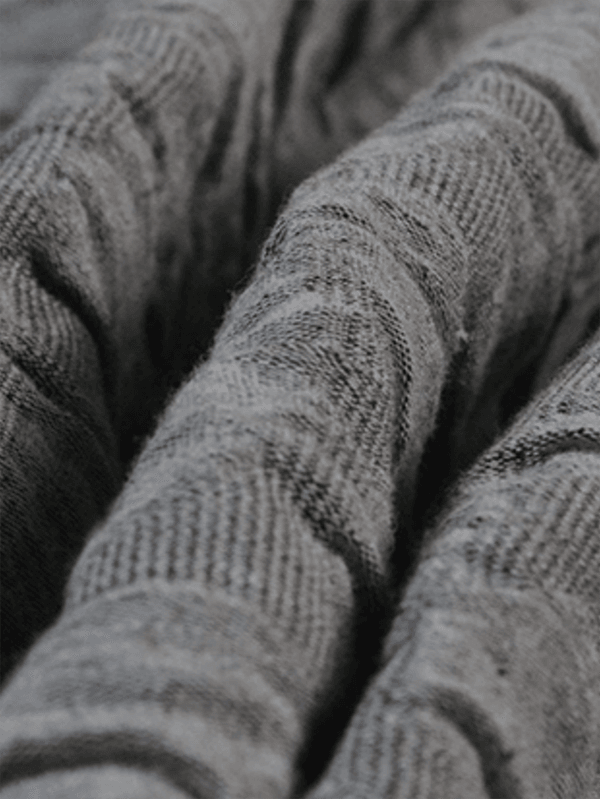
The properties of cotton jacquard fabric are determined jointly by the cotton fiber characteristics and the specific weave structure used. Understanding these properties helps buyers and designers select the right weight and construction for their intended application.
| Property | Description | Practical Implication |
| Breathability | Natural cotton fiber allows air circulation | Comfortable for apparel and bedding in warm climates |
| Moisture Absorption | Absorbs up to 27× its weight in water | Ideal for towels, bathrobes, and skin-contact textiles |
| Texture and Drape | Raised pattern creates dimensional surface | Elegant drape suitable for curtains and formal garments |
| Durability | Woven-in pattern does not fade or peel | Long-lasting compared to printed or embroidered alternatives |
| Washability | Machine washable in most constructions | Low maintenance for everyday use items |
| Hypoallergenic | Natural fiber, free from synthetic irritants | Suitable for sensitive skin and baby textiles |
| Shrinkage Risk | Can shrink if washed in hot water | Requires cool or warm wash and careful drying |
| Biodegradability | Fully biodegradable at end of life | Environmentally responsible choice compared to synthetics |
One property worth highlighting separately is the dimensional stability of the woven pattern itself. Because the design is structurally integrated into the weave rather than applied as a surface treatment, it cannot crack, peel, or fade the way screen-printed or heat-transfer patterns do. After dozens of washes, a cotton jacquard's pattern remains as sharp and well-defined as when the fabric was new — a durability advantage that justifies the higher price point compared to printed cotton alternatives.
Common Types of Cotton Jacquard Fabric
The category of cotton jacquard fabric encompasses a wide range of specific fabric constructions, each with distinct characteristics and end uses. The most commercially significant types are described below.
Damask
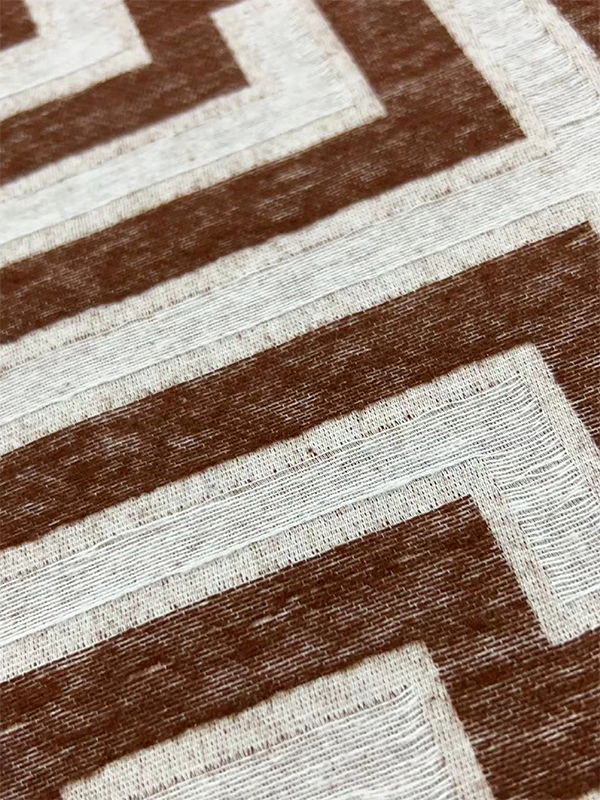
Cotton damask is among the most recognizable jacquard fabric types, characterized by large-scale floral, geometric, or medallion patterns created through the contrast between satin-weave and sateen-weave areas on the same fabric face. The pattern is reversible — the design visible on one side appears as its inverse on the other — and has a characteristic sheen that makes it particularly popular in formal dining table linens, decorative cushion covers, and drapery. Cotton damask is heavier and more structured than many other cotton jacquards, with a substantial hand feel that contributes to its luxurious appearance.
Matelassé
Cotton matelassé is a double-woven jacquard fabric with a distinctive puckered or quilted surface appearance created by the interaction of two separate sets of warp and weft threads woven simultaneously. The word "matelassé" is French for "cushioned" or "padded," which accurately describes the dimensional, almost embossed surface texture the weave creates. Cotton matelassé is widely used in bedding — particularly coverlets and bed skirts — as well as in structured garments and decorative home accessories. Its padded texture and substantial weight give it a premium feel that is difficult to replicate in simpler constructions.
Brocade
Cotton brocade uses supplementary weft threads — often in contrasting colors or with metallic yarn — woven into the base fabric to create a raised, embossed pattern that appears to stand out from the background. Unlike damask, which uses a single set of yarns and relies on weave contrast for the pattern, brocade introduces additional threads specifically to build the decorative motif. Cotton brocade is used in fashion applications including structured jackets, evening wear, and formal accessories, as well as in decorative home furnishings where richness of surface texture is a design priority.
Cloqué (Blister Fabric)
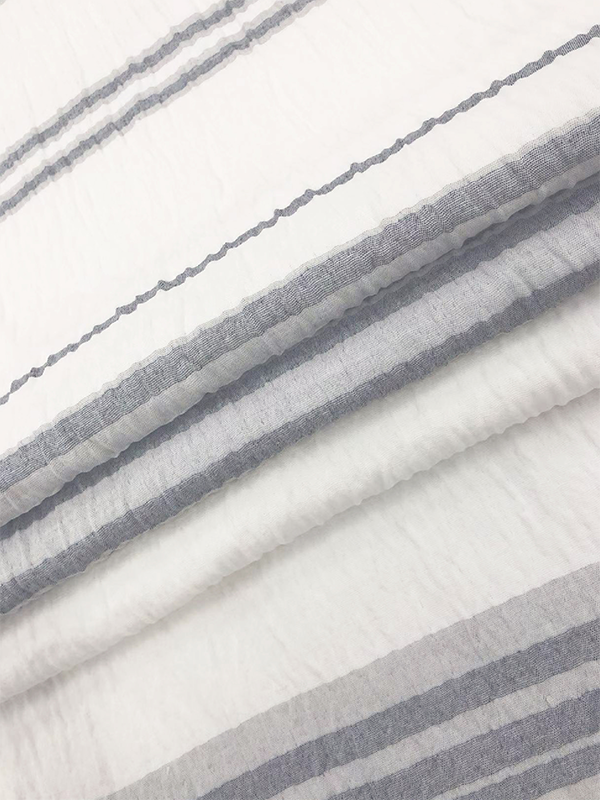
Cloqué, sometimes called blister fabric, is a jacquard construction that achieves its characteristic irregularly puckered surface through differential shrinkage between warp yarns that contract at different rates — often by combining cotton with a heat-reactive yarn such as wool or a synthetic fiber. In all-cotton cloqué constructions, chemical treatments can induce selective shrinkage to create the blistered texture. The result is a fabric with a visually dynamic, three-dimensional surface that is popular in contemporary fashion for structured tops, skirts, and outerwear.
Waffle Weave Jacquard
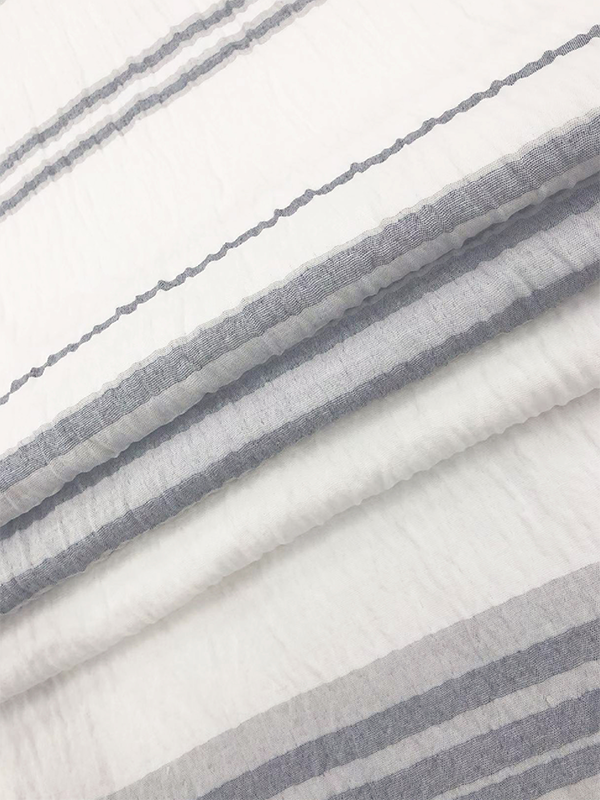
Cotton waffle jacquard features a recessed honeycomb or grid pattern that significantly increases the fabric's surface area relative to its weight, enhancing both absorbency and thermal regulation. The three-dimensional cell structure traps air near the skin in cool conditions and facilitates moisture evaporation in warm ones. This construction is widely used in bath towels, waffle robes, thermal blankets, and kitchen textiles where high absorbency and quick drying are desirable alongside an attractive textured appearance.
Applications in Home Textiles
Cotton jacquard fabric has a particularly strong presence in the home textiles sector, where its combination of visual complexity, durability, and natural fiber comfort makes it a preferred choice across multiple product categories. Its ability to create intricate, permanent patterns without printing makes it especially valued in categories where longevity and repeated washing are requirements rather than preferences.
- Bedding: Cotton jacquard is extensively used in duvet covers, pillowcases, flat sheets, and decorative bed throws. The woven-in pattern retains its definition through hundreds of wash cycles, maintaining the visual quality of the bedding over years of use. Thread counts for bedding jacquards typically range from 200 to 400, with higher thread counts producing a finer, smoother hand feel.
- Towels and bathrobes: Waffle and dobby-jacquard cotton constructions are widely used in premium towels and bathrobes, where the textured surface enhances absorbency and creates a more luxurious aesthetic than plain terry. Many hotel-grade bath textiles use cotton jacquard for this reason.
- Curtains and drapery: Heavier cotton jacquards, particularly damask and brocade constructions, provide the weight, drape, and decorative richness required for formal window treatments. The fabric falls in elegant folds and provides partial light filtering without requiring additional lining in many applications.
- Table linens: Cotton damask tablecloths and napkins are a long-established application for jacquard weaving. The reversible nature of damask means tablecloths can be used on either side, effectively doubling their functional life before showing visible wear.
- Upholstery: Heavier cotton jacquard fabrics with tight weave structures are used as upholstery for occasional chairs, headboards, and decorative cushions. While pure cotton upholstery jacquards are less abrasion-resistant than polyester or wool blends, cotton-blend jacquards combining 50–70% cotton with synthetic fibers offer improved durability without sacrificing the fabric's natural aesthetic.
Applications in Fashion and Apparel
In the fashion industry, cotton jacquard fabrics are used across a wide spectrum of garment categories, from casual ready-to-wear to high-end fashion collections. The fabric's ability to carry complex pattern without added weight or stiffness — particularly in lighter constructions — makes it appealing to designers who want to add visual interest through texture rather than print or embellishment.
- Lightweight cotton jacquards are used in shirting, blouses, and summer dresses where the woven texture adds sophistication without compromising comfort or breathability in warm conditions.
- Medium-weight constructions are popular for structured blazers, coordinated trouser sets, and tailored skirts where the fabric's self-patterning adds visual depth while maintaining the clean lines required for tailored silhouettes.
- Brocade-style cotton jacquards with metallic weft threads are used seasonally in eveningwear and occasion dressing, offering a more accessible and washable alternative to silk brocade at a lower price point.
- Stretch cotton jacquards — produced by incorporating elastane in the weft — are used in activewear, fitted tops, and swimwear cover-ups, combining the pattern capabilities of jacquard weaving with the comfort and movement of stretch fabric.
How to Care for Cotton Jacquard Fabric
Cotton jacquard fabrics are generally easy to maintain, but a few care practices significantly extend their useful life and preserve the crispness of the woven pattern. The most important factor is temperature management — both in washing and drying — since cotton is prone to shrinkage when exposed to excessive heat.
- Wash in cool or warm water (30°C to 40°C) using a gentle cycle to minimize fiber stress and prevent shrinkage. Hot water washes can cause permanent dimensional loss, particularly in the first few washes before the fabric is fully stabilized.
- Use a mild detergent without optical brighteners for colored or dark jacquards, as brighteners can gradually alter the color balance of patterned fabrics that rely on tonal contrast to display the weave design.
- Tumble dry on a low heat setting or line dry. High dryer heat accelerates fiber degradation and can permanently set any residual wrinkles in heavier weaves such as damask and matelassé.
- Iron on the reverse side while slightly damp using a medium-heat setting to restore crispness to the fabric surface without flattening the raised pattern. Ironing directly on the face of textured jacquards can crush the dimensional weave structure permanently.
- Store folded rather than rolled for home textile items such as tablecloths and throws, in a cool, dry environment away from direct sunlight, which can cause gradual yellowing of undyed or white cotton jacquard fabrics over time.
Choosing Quality Cotton Jacquard: What to Look For
Not all cotton jacquard fabrics are equivalent in quality, and understanding what to look for when evaluating a fabric helps buyers make more informed decisions whether purchasing by the meter for sewing projects or selecting finished products for home or commercial use.
- Cotton quality: Long-staple cotton varieties such as Egyptian, Pima, or Supima cotton produce finer, stronger, and softer yarns than short-staple varieties. Jacquard fabrics woven from long-staple cotton have a smoother surface, better drape, and longer service life than equivalent constructions made from lower-grade cotton.
- Pattern definition: Examine the fabric closely for sharp, well-defined pattern edges. Blurred or indistinct pattern transitions indicate lower weave precision and may suggest the use of lower-count yarns or reduced Jacquard hook density on the loom.
- Weight and hand feel: For home textile applications, heavier fabrics with a substantial hand feel generally indicate higher yarn count and thread density, which translate to better durability and a more luxurious appearance. Lightweight cotton jacquards intended for apparel should feel soft and fluid rather than stiff or rough.
- Color fastness: For multi-color jacquards, ask for wash and rub fastness ratings. Well-dyed cotton jacquards should achieve a minimum rating of 4 on the ISO grey scale for both wash and wet rub fastness to ensure colors remain stable through regular use and laundering.