English
 中文简体
中文简体 Español
 عربى
عربى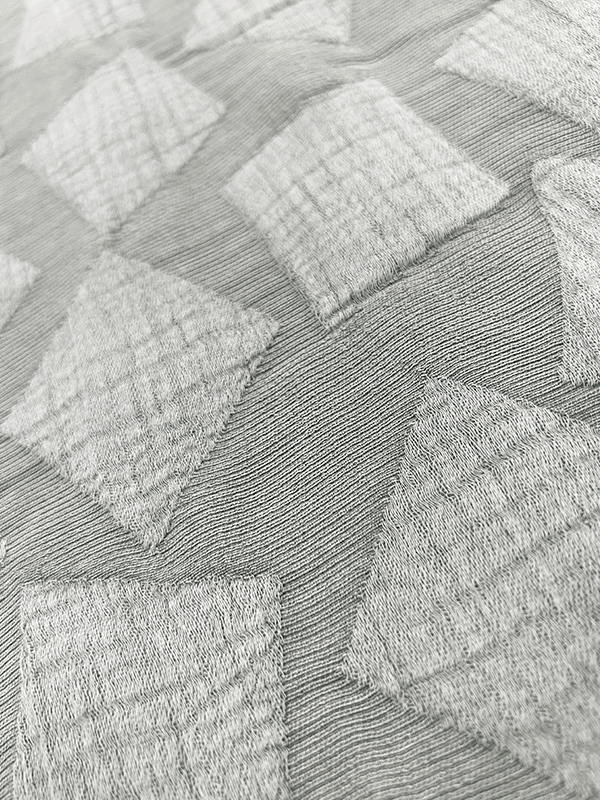
Content
- 1 Why Sofa Fabric Is the Most Important Upholstery Decision You'll Make
- 2 The Key Performance Metrics That Define Sofa Fabric Quality
- 3 The Major Sofa Fabric Types: Properties, Pros, and Limitations
- 4 Side-by-Side Comparison: Sofa Fabric Performance at a Glance
- 5 Sofa Fabric for Specific Households: Matching Material to Lifestyle
- 6 Performance Fabric Technologies: What "Stain-Resistant" Actually Means
- 7 Weave Structure and Texture: How Construction Affects Performance
- 8 Sofa Fabric Trends Shaping the Market
- 9 How to Care for and Extend the Life of Your Sofa Fabric
Why Sofa Fabric Is the Most Important Upholstery Decision You'll Make
The fabric covering a sofa is not a finishing detail — it is the single factor that most directly determines how the piece performs over years of daily use. The right sofa fabric withstands friction, resists staining, holds its color under UV exposure, and feels comfortable against bare skin in every season. The wrong choice fades within two years, pills under light use, or becomes a magnet for pet hair that no lint roller can fully address.With dozens of material categories and hundreds of weave constructions available, understanding the functional properties behind each fabric type is the foundation for making a purchase that performs as expected — for a decade or more.
The Key Performance Metrics That Define Sofa Fabric Quality
Before comparing individual fabric types, it helps to understand the technical metrics used to evaluate upholstery performance. These measurements appear on fabric specification sheets and give a precise, comparable picture of how different materials will behave in real use.
Martindale Rub Count (Abrasion Resistance)
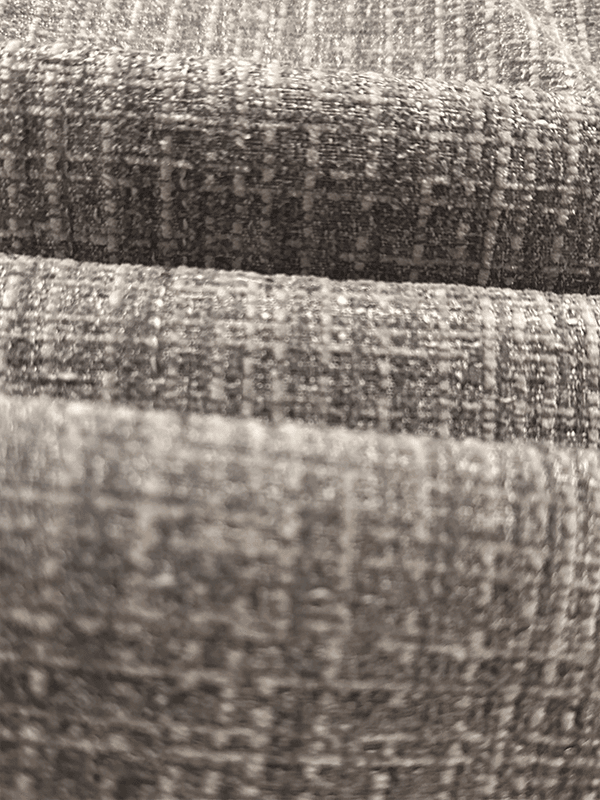
The Martindale test measures how many cycles of abrasion a fabric can withstand before showing visible wear. It is the industry standard for rating upholstery durability. As a practical guide: below 15,000 rubs is suited to decorative or light domestic use; 15,000–25,000 rubs covers moderate domestic use; 25,000–40,000 rubs handles heavy domestic use; above 40,000 rubs is the threshold for commercial and contract upholstery.
Pilling Resistance
Pilling — the formation of small fiber balls on the fabric surface — occurs when loose fibers tangle under repeated friction. It is primarily a visual defect but signals degradation of the fabric surface. Short-staple natural fibers (cotton, some wools) are more prone to pilling than long-staple or synthetic constructions. Tight weaves and high-twist yarns resist pilling more effectively than loosely woven structures.
Lightfastness (UV Resistance)
Lightfastness, rated on a scale of 1–8 under the Blue Wool Standard, measures how resistant a fabric's dye is to UV-induced fading. A rating of 4 or above is the minimum for domestic upholstery; outdoor and high-light-exposure applications should specify 6 or higher. Solution-dyed synthetics — where color is incorporated into the fiber during production rather than applied as a surface dye — achieve the highest lightfastness ratings of any fabric category.
Cleanability Code
The standard upholstery cleanability code classifies fabrics as: W (water-based cleaning agents only), S (solvent-based cleaning only), W/S (either method), or X (vacuum or brush only — no liquid cleaning). This code is a critical selection criterion for households with children, pets, or high-traffic use patterns.
The Major Sofa Fabric Types: Properties, Pros, and Limitations
Each sofa fabric category has a distinct performance profile shaped by its fiber composition, weave structure, and finishing treatment. No single material is optimal for every household — the right choice depends on lifestyle, budget, aesthetic preference, and how the sofa will actually be used.
Linen
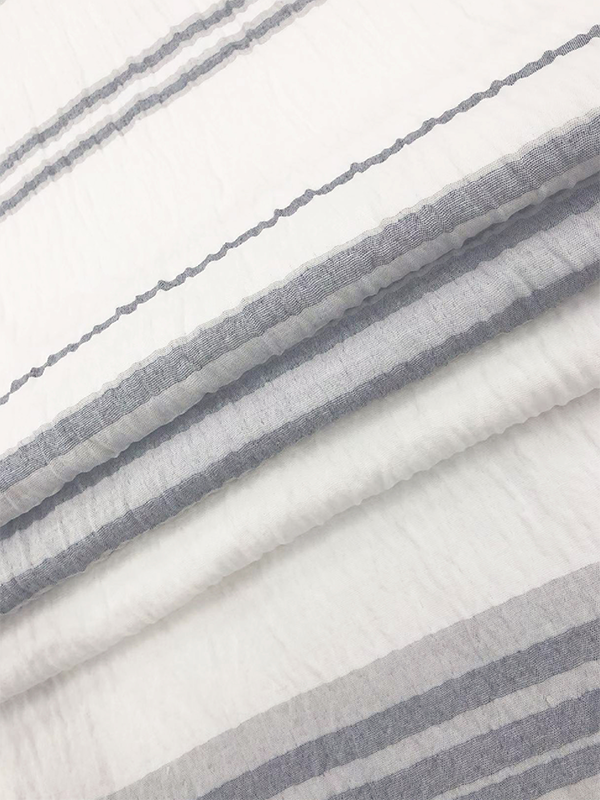
Linen is a plant-derived natural fiber with a distinctive matte texture and a casual, relaxed aesthetic that suits contemporary and Scandinavian interiors. Its key advantages are breathability — it does not trap heat, making it comfortable in warm climates — and its natural resistance to pilling. However, pure linen wrinkles easily, is susceptible to staining, and has relatively modest abrasion resistance (typically 15,000–25,000 Martindale for quality grades). Most commercial linen sofa fabrics are blended with synthetic fibers — polyester or nylon — to improve durability and cleanability without sacrificing the natural look and feel.
Cotton
Cotton upholstery is soft, breathable, and available in virtually unlimited colors and patterns. It is hypoallergenic and does not generate static electricity. The primary limitations are its susceptibility to staining, moderate abrasion resistance, and tendency to fade under prolonged UV exposure. Cotton-polyester blends address most of these weaknesses while preserving the natural fiber's comfort characteristics. 100% cotton is best suited for formal living rooms with low daily traffic.
Velvet
Velvet is defined by its cut-pile construction — loops of fiber are cut to create a dense, uniform pile that reflects light and creates the material's characteristic sheen and depth of color. Modern sofa velvets are almost universally synthetic (polyester or a polyester-viscose blend), which gives them far better durability and cleanability than traditional silk or cotton velvet. Velvet's pile can be crushed by pets and indented by cushion corners — though most synthetics recover with light brushing or steam. Martindale ratings for quality polyester velvet typically exceed 30,000 rubs.
Microfiber (Microsuede)
Microfiber upholstery fabric is made from extremely fine polyester or polyester-nylon fibers — typically less than one denier in diameter — woven or bonded into a dense, suede-like surface. It is one of the most practical sofa fabric choices for active households: highly stain-resistant (liquids bead on the surface before absorbing), easy to clean with water or mild solvent, durable (35,000–50,000+ Martindale), resistant to fading, and inhospitable to allergens and dust mites. The trade-off is that microfiber has a less luxurious hand feel than natural fibers and can attract loose pet hair.
Leather and Faux Leather
Genuine leather is a premium upholstery material valued for its durability, aging characteristics, and ease of cleaning. Full-grain leather — the highest grade, retaining the full hide surface — develops a patina over time that many consider aesthetically desirable. It resists liquids when conditioned regularly and does not harbor allergens. The primary drawbacks are high cost, sensitivity to sharp objects and pet claws, and the tendency to feel cold in winter and sticky in summer without climate control. PU (polyurethane) faux leather offers a similar aesthetic at a fraction of the cost, with good liquid resistance — but lower breathability and a shorter lifespan of typically 3–5 years before surface cracking begins. PVC leather is the most affordable option but the least breathable and durable of the three.
Polyester and Polyester Blends
Polyester is the dominant fiber in modern upholstery, used either as a primary fabric or blended with natural fibers to improve performance. Pure polyester upholstery is durable, fade-resistant, easy to clean, and available at accessible price points. It is the base material for most microfiber and velvet sofas. The main criticism of 100% polyester is its tendency to feel synthetic — less breathable and less comfortable against skin than natural fiber alternatives. High-quality polyester weaves with textured constructions effectively address this perception gap.
Wool and Wool Blends
Wool upholstery offers natural flame resistance (wool has a high ignition threshold and self-extinguishes), excellent temperature regulation, and superior resilience — wool fibers spring back from compression more effectively than most other materials. It is naturally soil-resistant due to the overlapping scale structure of wool fibers, which repels liquid before absorption. Pure wool upholstery is expensive; most commercial wool sofa fabrics are wool-nylon or wool-polyester blends that maintain the performance advantages while extending durability and reducing cost. Wool is particularly popular in contract and hospitality upholstery where fire regulations are stringent.
Side-by-Side Comparison: Sofa Fabric Performance at a Glance
| Fabric Type | Durability | Stain Resistance | Pet-Friendly | Comfort | Price Range |
|---|---|---|---|---|---|
| Linen blend | Moderate | Low–Moderate | Moderate | High | Mid |
| Cotton blend | Moderate | Low | Low | High | Low–Mid |
| Velvet (polyester) | High | Moderate | Low | High | Mid |
| Microfiber | Very High | High | High | Moderate | Low–Mid |
| Full-grain leather | Excellent | High | Moderate | Moderate | High |
| PU faux leather | Moderate | High | Moderate | Moderate | Low–Mid |
| Wool blend | High | Moderate–High | Moderate | High | Mid–High |
Sofa Fabric for Specific Households: Matching Material to Lifestyle
The single most common mistake in sofa fabric selection is choosing on aesthetics alone without accounting for the household's actual use patterns. A fabric that looks stunning in a showroom may be entirely unsuitable for how it will actually be lived with.
Households with Young Children
Stain resistance and easy cleanability are non-negotiable. Microfiber and performance fabrics with stain-repellent treatments (such as Crypton or Teflon-coated weaves) are the most practical choices. Leather and faux leather wipe clean easily but show scratches from toys and belt buckles. Avoid light-colored linen or unprotected cotton, which stain permanently with food and marker.
Households with Pets
The key concerns are scratch resistance, hair removal ease, and odor absorption. Tightly woven fabrics resist claw snags better than loose weaves or cut-pile constructions. Microfiber allows pet hair to be brushed off easily; velvet and fleece-type fabrics trap hair deeply. Leather resists odor absorption but shows scratches. Dark or medium-toned solid colors hide hair between cleanings more effectively than light solids or fine patterns.
High-Traffic Living Rooms
Durability and resilience are the primary criteria. Look for fabrics with Martindale ratings above 30,000, tight weave constructions, and solution-dyed or piece-dyed colors with high lightfastness ratings. Wool-nylon blends, quality polyester weaves, and full-grain leather all perform well under sustained heavy use. Avoid loosely woven natural textiles and delicate constructions like silk or raw linen.
Low-Traffic Formal Spaces
When durability is less critical, aesthetic and sensory qualities can take priority. Linen, velvet, boucle, and natural cotton are appropriate for formal sitting rooms used occasionally. These materials offer textures and visual richness that high-performance synthetics rarely replicate, and their moderate durability is entirely sufficient for infrequent use.
Allergy-Sensitive Households
Tightly woven, non-porous fabrics minimize dust mite habitation and allergen accumulation. Leather, faux leather, and microfiber are the most allergen-resistant options. Avoid loose-weave natural textiles and deep-pile fabrics that trap dust and dander. Regular vacuuming with a HEPA-filter attachment is advisable regardless of fabric type.
Performance Fabric Technologies: What "Stain-Resistant" Actually Means
The term "stain-resistant" on a sofa fabric specification requires scrutiny — it can mean several technically distinct things, with very different real-world implications.
- Topical stain-repellent finish (Teflon / Scotchgard) — A fluoropolymer or silicone coating applied to the fabric surface after weaving. Creates a surface tension effect that causes liquids to bead up rather than absorb immediately. Effective against water-based spills if addressed promptly. Wears off with use and cleaning; typically requires reapplication every 1–3 years.
- Solution-dyed fiber — Color is incorporated into the fiber polymer before extrusion, making it inherently fade-resistant and reducing the dye sites available for staining agents to bind. Cannot be "washed out" by cleaning agents. Does not prevent staining but makes stains easier to remove.
- Performance fabric constructions (Crypton, Sunbrella, Revolution) — These proprietary fabric systems integrate stain resistance, moisture barrier properties, and antimicrobial treatment at the fiber or construction level — not merely as a surface coating. They offer significantly longer-lasting protection than topical treatments and are the standard specification for commercial and healthcare upholstery.
- Inherently non-absorbent fibers — Polyester and polypropylene naturally absorb almost no liquid, making them inherently stain-resistant for water-based spills. Oil-based stains remain a challenge for these fibers without additional treatment.
When evaluating a sofa fabric's stain-resistance claim, always ask which mechanism is being referenced — a topical finish that will wear off, or a structural property of the fiber or construction itself.
Weave Structure and Texture: How Construction Affects Performance
Beyond fiber composition, the weave structure of a sofa fabric significantly affects its durability, appearance, and maintenance requirements. The same fiber can produce radically different performance outcomes depending on how it is woven.
Plain Weave
The simplest and tightest weave construction — warp and weft threads interlace in an alternating over-under pattern. Plain weave fabrics are durable, flat, and easy to clean. They do not snag easily and resist pilling. Most linen, cotton canvas, and many polyester upholstery fabrics use plain weave as their base construction.
Twill Weave
Twill weaves create a diagonal rib pattern on the fabric surface by passing weft threads over two or more warp threads. This construction produces a softer hand feel than plain weave and better drape, while maintaining reasonable durability. Denim is the most recognizable twill; many upholstery fabrics use twill variants for a softer, more casual aesthetic.
Jacquard Weave
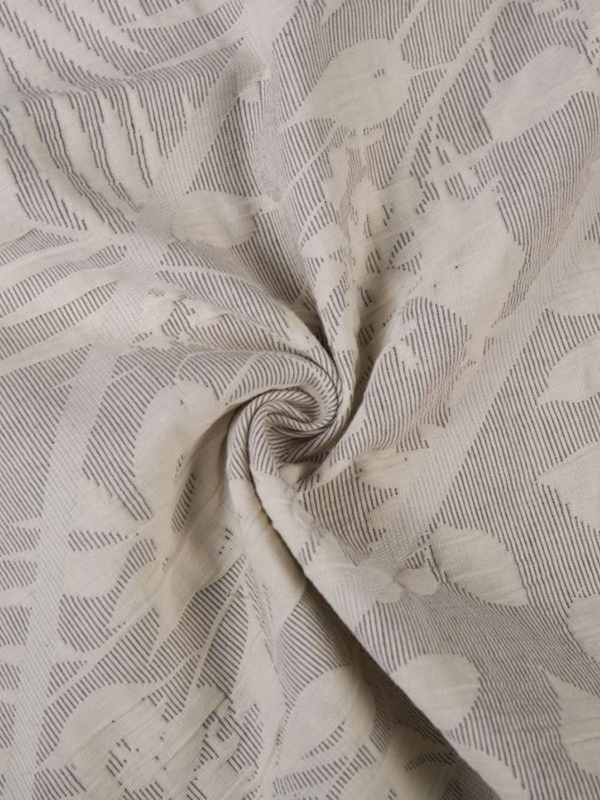
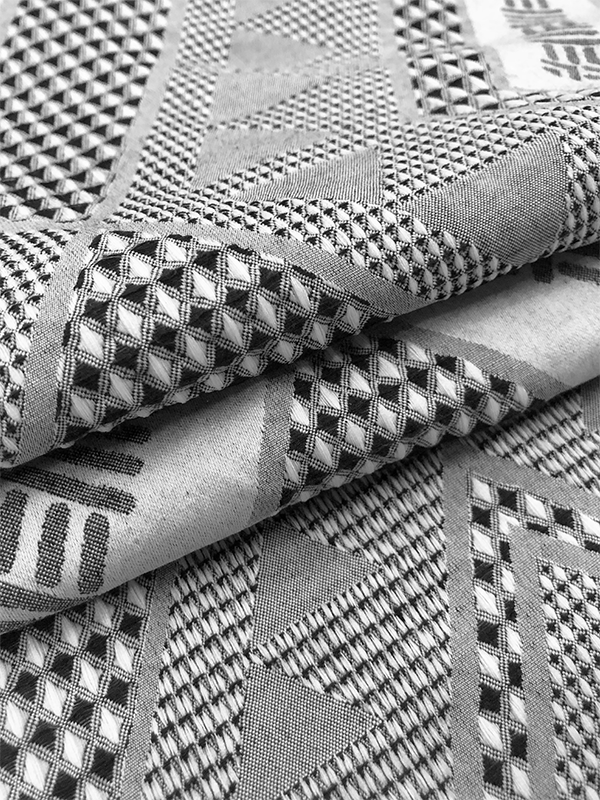
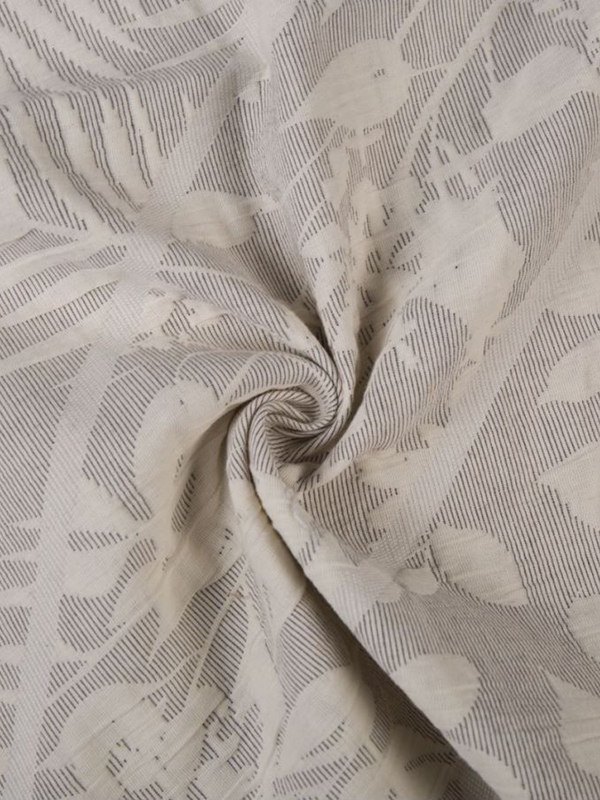
Jacquard looms create complex patterns — florals, geometrics, damasks — directly in the weave structure rather than as printed or embroidered surface decoration. The pattern is integral to the fabric construction, making it highly durable and non-directional. Jacquard upholstery fabrics are commonly used in traditional and formal furniture styles.
Cut Pile (Velvet, Chenille)
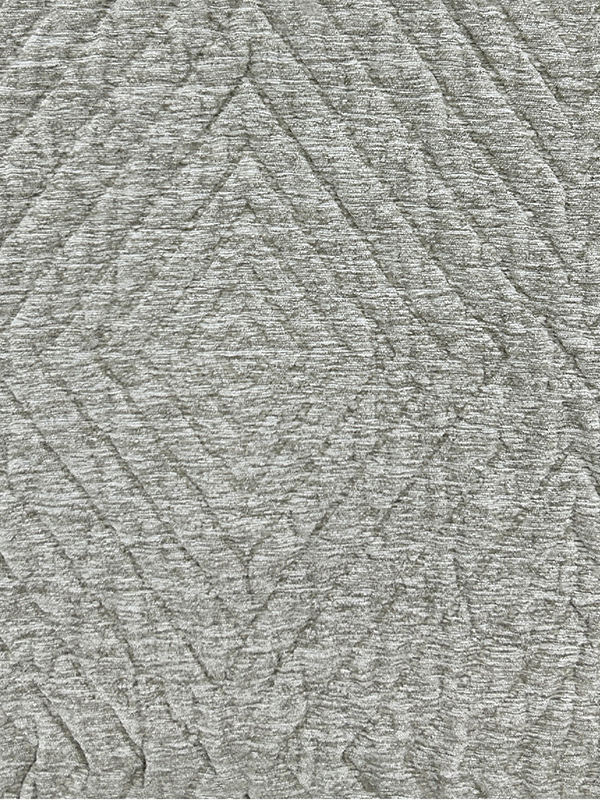
Cut pile constructions create a soft, three-dimensional surface by cutting woven loops. Velvet uses a very short, uniform pile; chenille uses longer, irregular loops for a textured effect. Both offer exceptional softness but require more careful maintenance — pile direction can be crushed and must be restored, and snagging is possible in loose-pile variants.
Sofa Fabric Trends Shaping the Market
Consumer preferences and manufacturing capabilities are driving several clear trends in the sofa fabric market that are reshaping both retail offerings and B2B sourcing decisions.
Boucle and Textured Weaves
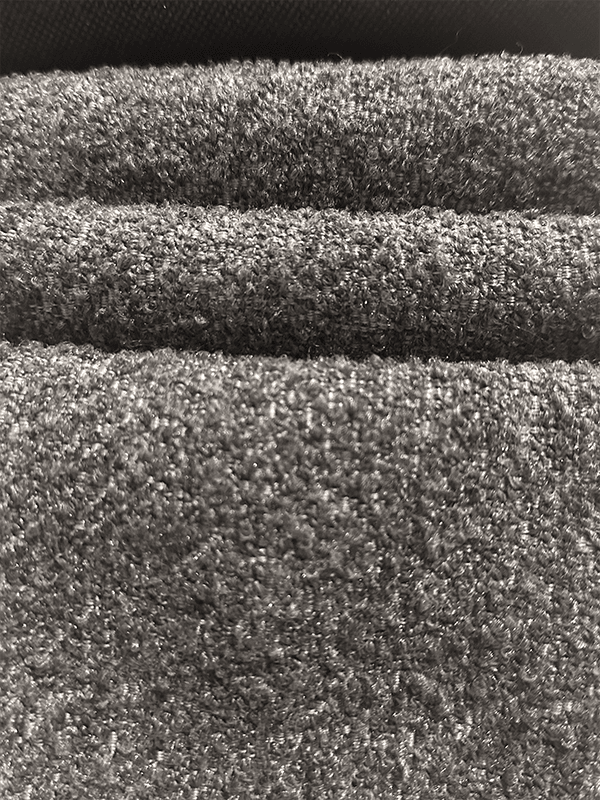
Boucle — a looped-yarn fabric with a distinctive nubby, cloud-like texture — has dominated high-end residential upholstery trends since 2021 and shows no sign of declining. Its organic, tactile surface suits the soft minimalism and biophilic design directions that dominate contemporary interiors. Most commercial boucle upholstery uses wool-polyester blends for durability, with Martindale ratings typically in the 25,000–40,000 range.
Sustainable and Recycled Content Fabrics
Upholstery fabrics made from recycled PET (rPET) from post-consumer plastic bottles have grown from a niche sustainability claim to a mainstream product offering. Major fabric mills now offer full collections in recycled polyester that match virgin fiber in durability, colorfastness, and hand feel. Brands in the furniture sector increasingly specify recycled content as a standard requirement — both to meet ESG commitments and to respond to consumer demand for environmentally responsible purchasing options.
Outdoor-Grade Fabrics for Indoor Use
Solution-dyed acrylic fabrics — originally developed for outdoor furniture and marine applications — are increasingly specified for indoor upholstery in high-traffic residential and commercial settings. Their exceptional UV resistance, moisture resistance, and cleanability (bleach-cleanable versions exist) offer a compelling performance proposition for households with children, pets, or high footfall. The aesthetic gap between outdoor and indoor fabric has largely closed as manufacturers have expanded colorways and developed softer constructions.
Vegan Leather Alternatives
Beyond conventional PU faux leather, a new generation of bio-based leather alternatives — made from cactus fiber, apple waste, mushroom mycelium, and grape skin — is entering the premium upholstery market. While still relatively expensive and limited in production scale, these materials address both animal welfare and petrochemical concerns simultaneously, positioning them as the likely future direction for the leather-look upholstery segment as production costs scale down.
How to Care for and Extend the Life of Your Sofa Fabric
Proper maintenance is as important as initial fabric selection in determining how long a sofa looks and performs well. A high-quality fabric that is poorly maintained will deteriorate faster than a moderate-quality fabric that receives consistent care.
- Vacuum weekly — Regular vacuuming with an upholstery attachment removes dust, skin cells, and fine debris before they work into the fabric and accelerate abrasion from within. This single habit has the greatest impact on long-term fabric condition.
- Address spills immediately — Blot (never rub) liquid spills with a clean, dry cloth within the first 60 seconds. Rubbing spreads the stain and pushes it deeper into the fabric. Follow the manufacturer's cleanability code when applying any cleaning agent.
- Rotate cushions regularly — Rotating and flipping seat and back cushions distributes wear evenly and prevents permanent compression patterns in foam and fiber fill. Monthly rotation is ideal for heavily used sofas.
- Protect from direct sunlight — UV exposure is the primary cause of sofa fabric fading. Use window treatments or UV-blocking film on windows adjacent to the sofa, or choose fabrics with high lightfastness ratings (Blue Wool Scale 5+) for sun-exposed positions.
- Professional cleaning annually — Annual professional upholstery cleaning removes embedded oils, allergens, and staining compounds that household methods cannot address. This is particularly important for natural fiber fabrics and pale-colored upholstery.
- Reapply stain protection — For fabrics with topical stain-repellent treatments, reapplication every 12–18 months restores the protective barrier. Use a product compatible with the original treatment and the specific fabric type.