English
 中文简体
中文简体 Español
 عربى
عربى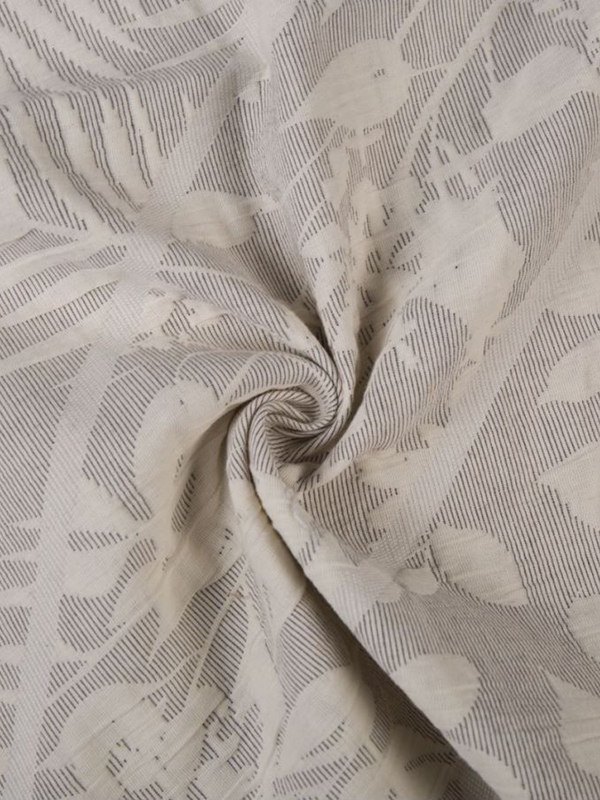
Content
- 1 What Is 100% Polyester Bedding Fabric?
- 2 Key Advantages of 100% Polyester Bedding Fabric
- 3 Where 100% Polyester Bedding Falls Short
- 4 100% Polyester vs Other Common Bedding Fabrics
- 5 Thread Count and GSM: What Actually Matters in Polyester Bedding
- 6 How to Care for 100% Polyester Bedding
- 7 Who Should Choose 100% Polyester Bedding Fabric
- 8 Tips for Buying Quality 100% Polyester Bedding Fabric
- 9 Final Assessment of 100% Polyester Bedding Fabric
When shopping for bedding, fabric choice matters more than most people realize. It affects how warm or cool you sleep, how long your sheets last, how easy they are to care for, and how they feel against your skin night after night. Among the many options available, 100% polyester bedding fabric is one of the most widely used in the world — found in budget sheet sets, hotel linens, microfiber duvets, and performance bedding alike. But is it actually a good choice? This article gives you a thorough, practical breakdown of what 100% polyester bedding fabric is, what it delivers, where it falls short, and how to choose the best version of it for your needs.
What Is 100% Polyester Bedding Fabric?
Polyester is a synthetic fiber derived from petroleum-based polymers — primarily polyethylene terephthalate (PET). When a bedding product is labeled 100% polyester, it means every fiber in the fabric is synthetic, with no natural fiber content such as cotton, wool, bamboo, or silk blended in. The fabric is manufactured by extruding molten polymer through fine spinnerets to create continuous filament yarns or short staple fibers, which are then woven or knitted into fabric.
In bedding specifically, 100% polyester appears in several distinct fabric forms, each with different textures and performance characteristics. Understanding which type of polyester fabric you are evaluating is essential because the differences between them are significant.
- Microfiber polyester: Made from extremely fine polyester filaments (less than one denier), microfiber is the most common form of polyester bedding. It is lightweight, soft, and tightly woven, producing a smooth, silky feel at a low price point.
- Polyester satin: Woven with a satin weave structure that floats filament yarns over the surface, polyester satin has a glossy sheen and a slippery, smooth texture that mimics silk at a fraction of the cost.
- Brushed polyester: The fabric surface is mechanically brushed to raise a fine nap, creating a soft, fleece-like texture that feels warm and cozy. Commonly used in flannel-style winter bedding.
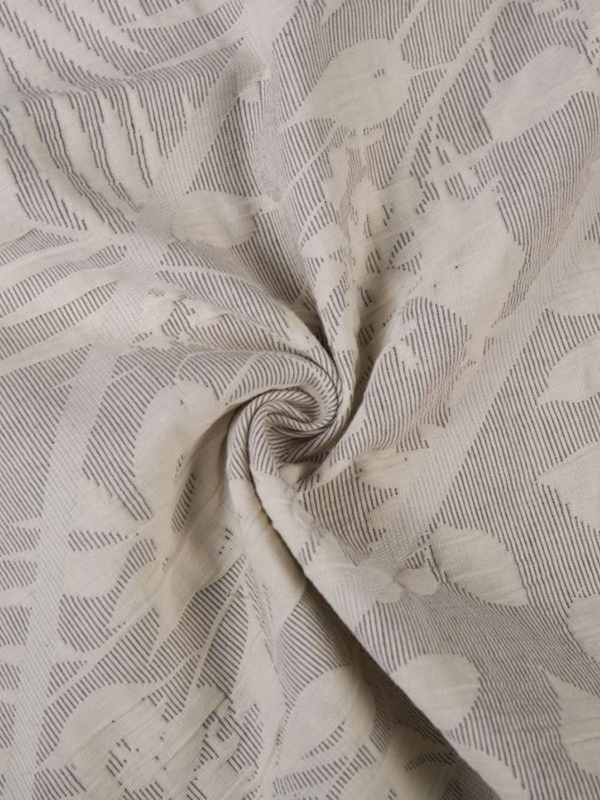
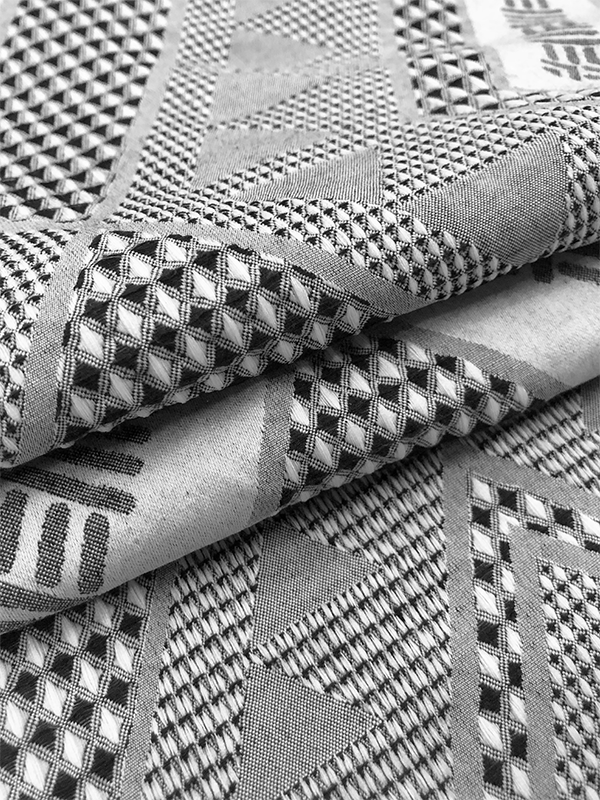
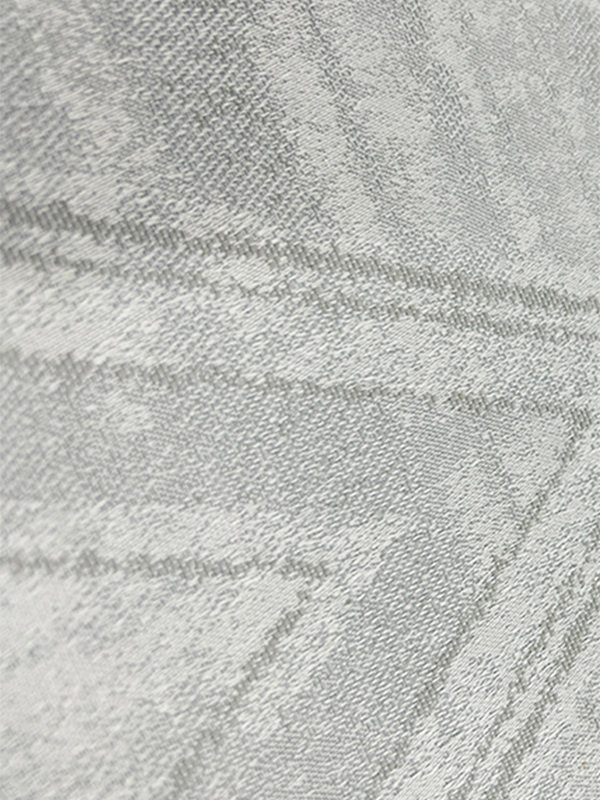
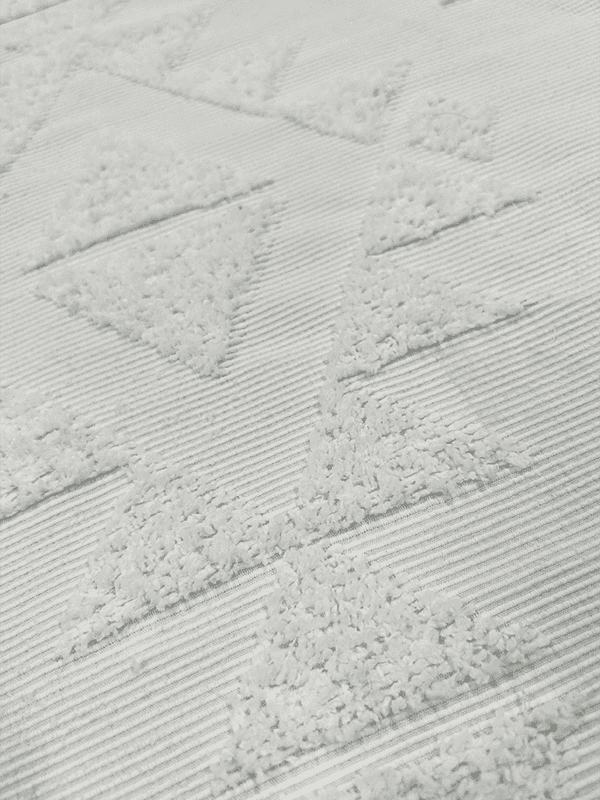
- Polyester dobby or jacquard weave: Structured weave patterns create textured or patterned surfaces in polyester bedding, often used for decorative duvet covers and pillow shams.
- Recycled polyester (rPET): Made from post-consumer recycled plastic bottles, recycled polyester bedding has the same functional properties as virgin polyester but with a reduced environmental footprint.
Key Advantages of 100% Polyester Bedding Fabric
Polyester bedding has maintained its dominant market position for decades because it genuinely delivers on several practical performance criteria that matter to everyday consumers.
Exceptional Durability and Longevity
Polyester fibers are among the strongest textile fibers available. They resist tearing, pilling, and fiber breakdown far better than cotton at the same price point. A well-made set of 100% polyester sheets will retain its shape and surface texture through hundreds of wash-and-dry cycles without the thinning, fading, or thread pulling that lower-quality cotton bedding often develops. For households with children, pets, or anyone who values low-maintenance durability, polyester bedding offers a meaningful practical advantage.
Wrinkle and Shrink Resistance
Unlike cotton, which wrinkles easily and can shrink significantly after washing if not handled carefully, 100% polyester bedding is inherently wrinkle-resistant and dimensionally stable. Polyester fibers do not absorb water, so they dry rapidly and return to their original shape without ironing. This makes polyester an excellent choice for anyone who dislikes the maintenance routine of ironing or carefully tumble-drying cotton sheets to prevent shrinkage.
Vibrant Color Retention
Polyester accepts synthetic dyes very effectively and holds color through repeated washing far better than natural fibers. This is why polyester bedding is available in a broader range of vivid, saturated colors and complex printed patterns. If you are choosing patterned bedding for a guest room, child's room, or decorative bedroom scheme, 100% polyester will maintain its visual appearance for significantly longer than a comparable cotton print.
Affordable Price Point
Polyester is one of the least expensive textile fibers to produce. The raw material cost is low, production is highly automated, and the finished fabric requires minimal finishing compared to natural fibers. This translates directly to lower retail prices for consumers. High-quality microfiber polyester sheet sets can be purchased for a fraction of the cost of comparable-thread-count cotton sheets, making polyester bedding accessible across all budget levels.
Where 100% Polyester Bedding Falls Short
Despite its practical strengths, 100% polyester bedding has real limitations that make it a poor fit for some sleepers and some climates. Being clear-eyed about these drawbacks is important before making a purchasing decision.
Poor Breathability and Heat Retention
The most significant limitation of 100% polyester bedding is its poor moisture and heat management. Polyester fibers are hydrophobic — they repel rather than absorb moisture. While this is an advantage for durability and quick drying, it is a significant disadvantage for sleeping comfort. Sweat produced during sleep cannot be absorbed into the fiber; instead, it pools on the skin surface, creating a clammy, humid sleeping environment. Hot sleepers, people living in warm climates, or anyone who experiences night sweats will find 100% polyester bedding noticeably uncomfortable compared to cotton or bamboo alternatives.
Static Electricity Buildup
Polyester is a poor electrical conductor, which means it accumulates static charge, particularly in dry conditions or when dried in a tumble dryer. This static causes sheets to cling to the body and attract lint and pet hair. While fabric softeners and dryer sheets help reduce static, they are an ongoing maintenance requirement with polyester bedding that is not needed with natural fiber alternatives.
Environmental Concerns
Standard 100% polyester is made from non-renewable petroleum resources and is not biodegradable. It also sheds microplastic particles during washing — fine synthetic fibers that pass through wastewater treatment systems and accumulate in waterways and marine environments. For environmentally conscious consumers, this is a significant concern. Choosing recycled polyester (rPET) bedding reduces the demand for virgin petroleum but does not eliminate microplastic shedding.
100% Polyester vs Other Common Bedding Fabrics
| Property | 100% Polyester | 100% Cotton | Bamboo |
| Breathability | Low | High | Very High |
| Moisture Wicking | Poor | Good | Excellent |
| Durability | Excellent | Good | Good |
| Wrinkle Resistance | Excellent | Low | Moderate |
| Color Retention | Excellent | Moderate | Good |
| Price | Low | Moderate | High |
| Environmental Impact | High | Moderate | Low |
| Shrink Resistance | Excellent | Low | Moderate |
Thread Count and GSM: What Actually Matters in Polyester Bedding
Thread count — the number of threads per square inch of fabric — is a commonly cited metric for bedding quality, but it is far less meaningful for polyester than for cotton. Because polyester filaments can be made extremely fine, manufacturers can artificially inflate thread counts by using multi-ply twisted yarns counted individually. A 1,500 thread count polyester sheet is not necessarily softer or more durable than a 600 thread count version — in fact, very high thread counts in polyester can result in stiffer, less breathable fabric.
A more reliable quality indicator for polyester bedding is GSM — grams per square meter — which measures fabric weight and density. For sheets and pillowcases, a GSM between 90 and 120 produces a lightweight, smooth feel suitable for warm climates or summer use. For duvet covers and heavier bedding, 120 to 150 GSM provides better body and durability. Brushed or flannel polyester bedding intended for winter use typically ranges from 150 to 200 GSM. When evaluating polyester bedding quality, ask for the GSM specification rather than relying on thread count alone.
How to Care for 100% Polyester Bedding
One of polyester's genuine advantages is how easy it is to launder. Compared to cotton, linen, or bamboo bedding, polyester requires minimal special handling to maintain its appearance and performance.
- Washing temperature: Wash polyester bedding in cool or warm water — 30°C to 40°C. Hot water can cause polyester fibers to weaken and may contribute to pilling over time.
- Detergent: Use a standard liquid laundry detergent. Avoid powder detergents, which can leave residue in the tightly woven microfiber weave. Fabric softener should be used sparingly, as it can coat polyester fibers and reduce breathability further.
- Drying: Tumble dry on a low heat setting. High heat is the primary cause of polyester damage — it can melt or distort fibers, cause pilling, and set wrinkles permanently. Remove promptly from the dryer to prevent heat-set creases.
- Ironing: Polyester generally does not require ironing. If needed, use the lowest heat setting and iron on the reverse side of the fabric with a pressing cloth to prevent shine marks.
- Washing frequency: Wash polyester bedding every one to two weeks under normal use. Because polyester does not absorb body oils deeply into the fiber, it is easier to clean than cotton and resists odor buildup between washes.
Who Should Choose 100% Polyester Bedding Fabric
Despite its limitations, 100% polyester bedding is genuinely the right choice for specific sleepers and situations. Understanding who benefits most helps clarify when polyester is a smart decision rather than a compromise.
- Cold sleepers in cool climates: Polyester's heat-retaining properties are an advantage for people who tend to sleep cold. It traps body heat more effectively than cotton or bamboo, making it a good choice for winter bedding or cooler bedrooms.
- Budget-conscious shoppers: When durability and value are the primary criteria, polyester consistently outperforms cotton at the same price point. For guest rooms, rental properties, or any situation where cost-per-use matters, polyester is a sensible choice.
- Allergy sufferers: Polyester is naturally resistant to dust mites, mold, and mildew because it does not absorb moisture — the conditions these allergens need to thrive. For people with dust mite allergies, tightly woven microfiber polyester bedding can provide a meaningful barrier benefit.
- Children's bedding: Polyester's stain resistance, durability, and easy-care properties make it practical for children's rooms where bedding is washed frequently and subjected to rough use.
- Decorative and themed bedding: For bedding chosen primarily for its visual appearance — patterned duvet covers, themed children's sets, or accent pillow covers — polyester's superior color retention and pattern clarity make it the ideal choice.
Tips for Buying Quality 100% Polyester Bedding Fabric
Not all polyester bedding is created equal. The quality range within 100% polyester products is enormous — from cheap, scratchy sheets that pill after a few washes to premium microfiber sets that feel genuinely soft and last for years. These practical tips will help you identify quality polyester bedding before you buy.
- Look for GSM specifications rather than thread count claims — a higher GSM generally indicates a denser, more durable fabric for polyester products.
- Check for OEKO-TEX Standard 100 certification, which confirms the fabric has been tested for harmful chemicals and is safe for skin contact — important for all synthetic bedding.
- Feel the fabric before buying where possible — quality microfiber polyester should feel silky and smooth, not stiff or plastic-like. Coarse texture is a sign of low-quality fiber or poor finishing.
- Examine the seam construction and pocket depth on fitted sheets — deep pockets with strong elastic and reinforced corners indicate quality manufacturing regardless of fabric type.
- If environmental impact matters to you, look for GRS (Global Recycled Standard) certified recycled polyester bedding, which verifies the recycled content claims made by the manufacturer.
Final Assessment of 100% Polyester Bedding Fabric
100% polyester bedding fabric offers a compelling combination of durability, easy care, wrinkle resistance, and affordability that makes it a practical choice for a wide range of bedding applications. Its limitations — particularly poor breathability and moisture management — are real and significant for hot sleepers, but these same thermal properties make it an excellent choice for cold sleepers, winter bedding, or anyone prioritizing low-maintenance durability over temperature regulation.
The key to satisfaction with polyester bedding lies in selecting the right type and quality grade for your specific needs. A well-chosen, well-made 100% polyester microfiber sheet set will outperform a poorly made cotton alternative on almost every practical measure. Evaluate your sleep temperature preferences, climate, budget, and care priorities — and polyester bedding may prove to be not just an acceptable compromise, but genuinely the best choice for your bedroom.