English
 中文简体
中文简体 Español
 عربى
عربى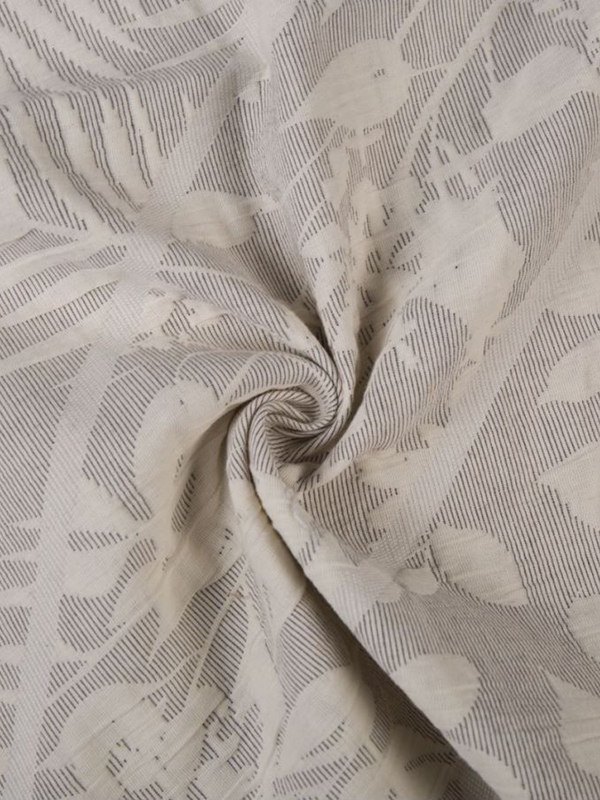
Content
- 1 Why Sofa Fabric Matters More Than You Think
- 2 Common Types of Sofa Fabric and Their Characteristics
- 3 Key Factors to Consider When Choosing Sofa Fabric
- 4 Understanding the Rub Count and Durability Ratings
- 5 How to Match Sofa Fabric to Your Interior Style
- 6 Practical Tips for Maintaining Sofa Fabric
- 7 Making the Final Decision: A Fabric That Fits Your Life
Why Sofa Fabric Matters More Than You Think
When shopping for a sofa, most people focus on shape, size, or color — but the fabric is often the single most important factor that determines how long your sofa lasts, how comfortable it feels, and how easy it is to maintain. The wrong fabric can mean constant cleaning struggles, premature wear, or a couch that simply doesn't hold up to your household's demands. Understanding sofa fabric goes far beyond aesthetics; it's a practical decision that affects daily life for years to come.
Common Types of Sofa Fabric and Their Characteristics
The market offers a wide range of sofa fabrics, each with unique properties suited to different needs and lifestyles. Knowing the differences helps you make an informed decision rather than relying purely on appearance.
Cotton and Linen
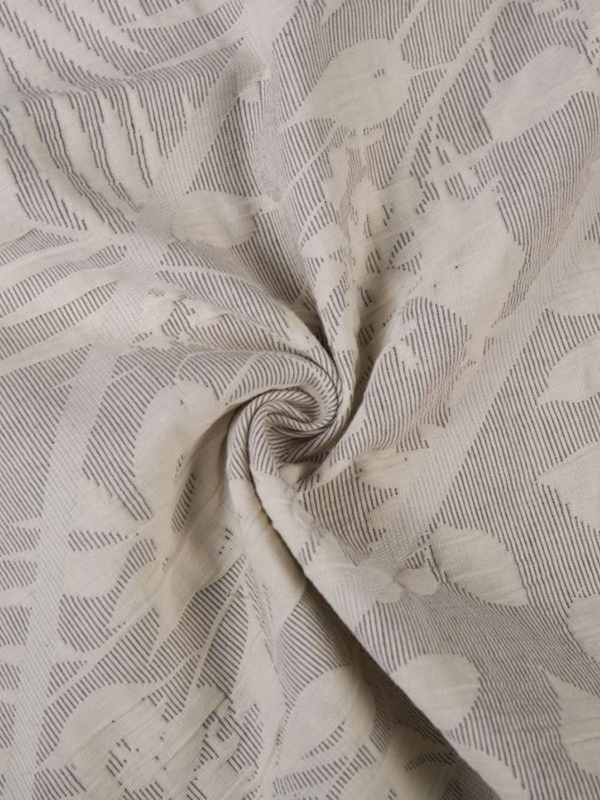
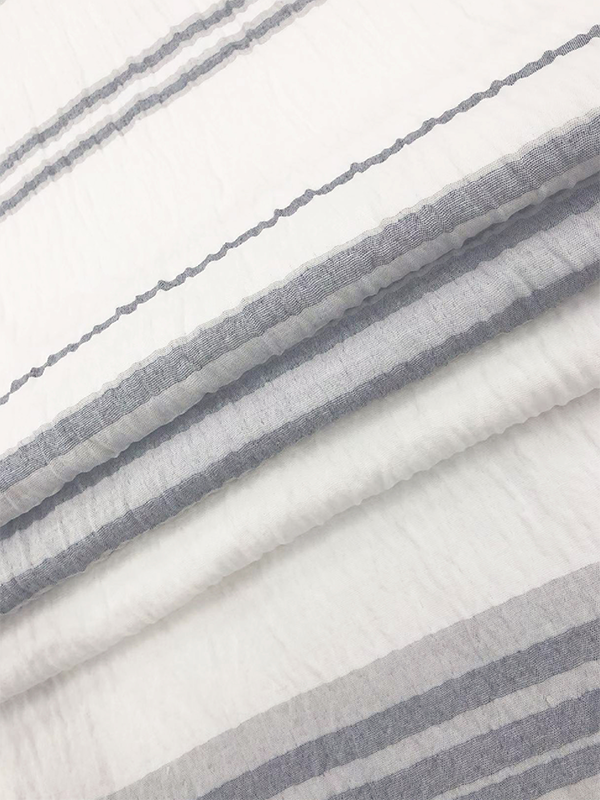
Cotton and linen are natural fibers that offer a soft, breathable feel. They work well in temperate climates and provide a casual, relaxed aesthetic. However, they are prone to wrinkling and staining, and may fade with prolonged sun exposure. These fabrics are best suited for low-traffic rooms or households without young children or pets.
Polyester and Microfiber
Polyester-based fabrics, especially microfiber, are among the most durable and stain-resistant options on the market. Microfiber has an ultra-fine weave that repels liquids and resists dirt, making it an excellent choice for families with children or pets. It also holds color well and is resistant to pilling, ensuring a longer-lasting appearance.
Velvet
Velvet offers a luxurious texture and a rich visual depth that instantly elevates a room. Modern velvet sofas are often made from synthetic fibers, making them more durable than traditional versions. The downside is that velvet can attract pet hair and may crush or mark easily under heavy use. It suits formal or low-traffic living spaces best.
Leather and Faux Leather
Genuine leather is prized for its durability, ease of cleaning, and the way it ages gracefully over time. It naturally resists spills and can last decades with proper care. Faux leather (PU leather) offers a similar look at a lower price point but tends to crack or peel over time, especially in high-use areas. Leather is ideal for people who want a timeless, low-maintenance option.
Chenille and Jacquard
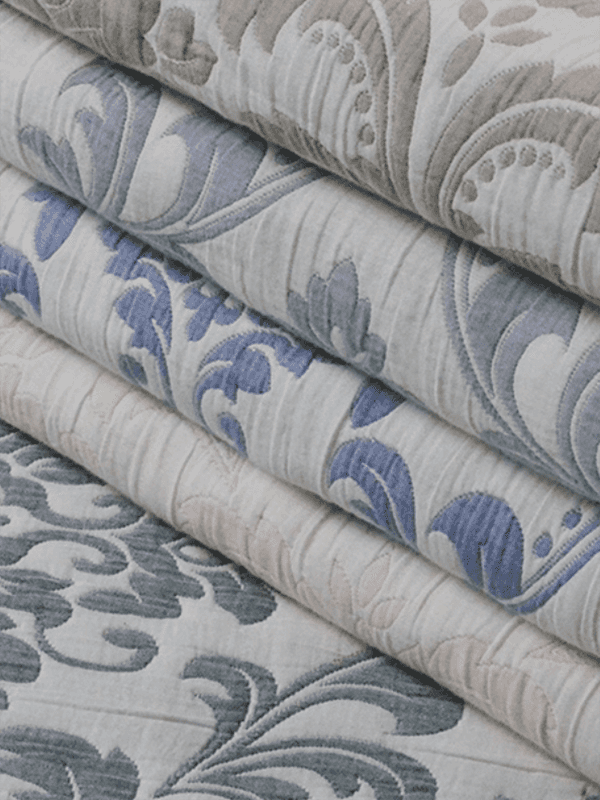
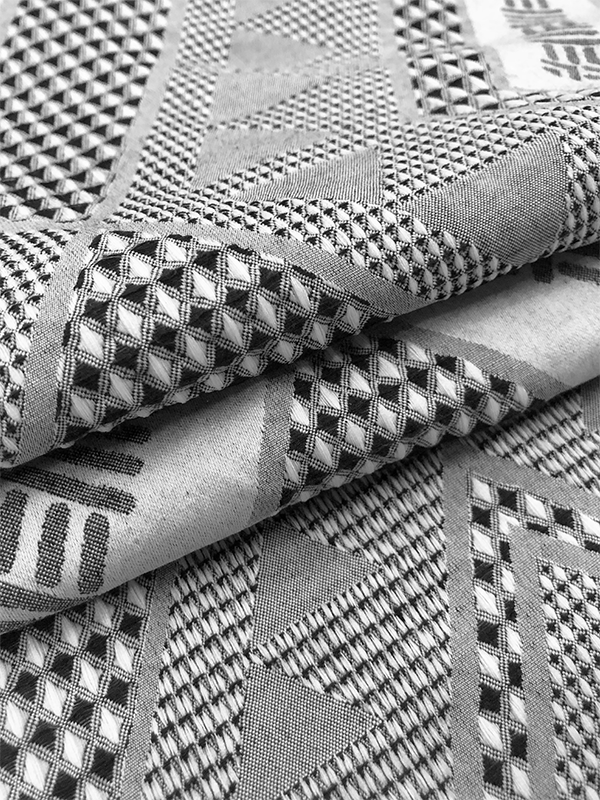
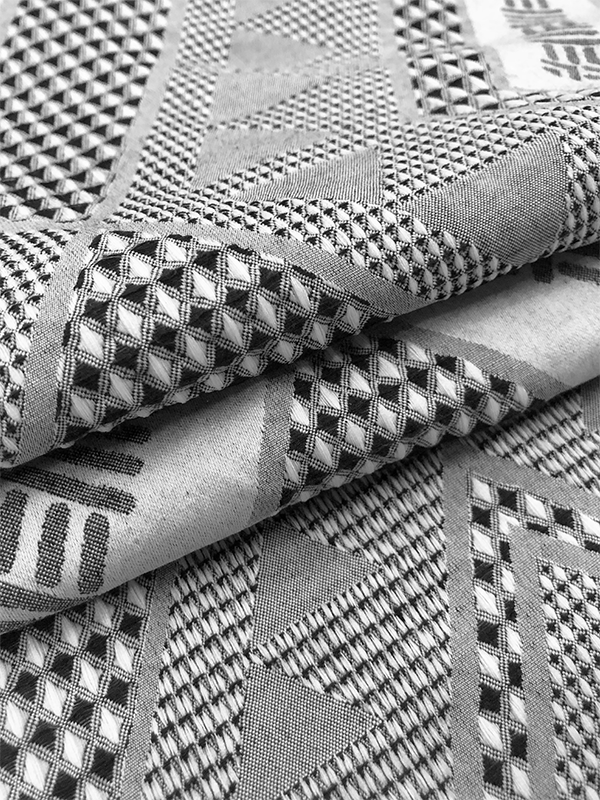
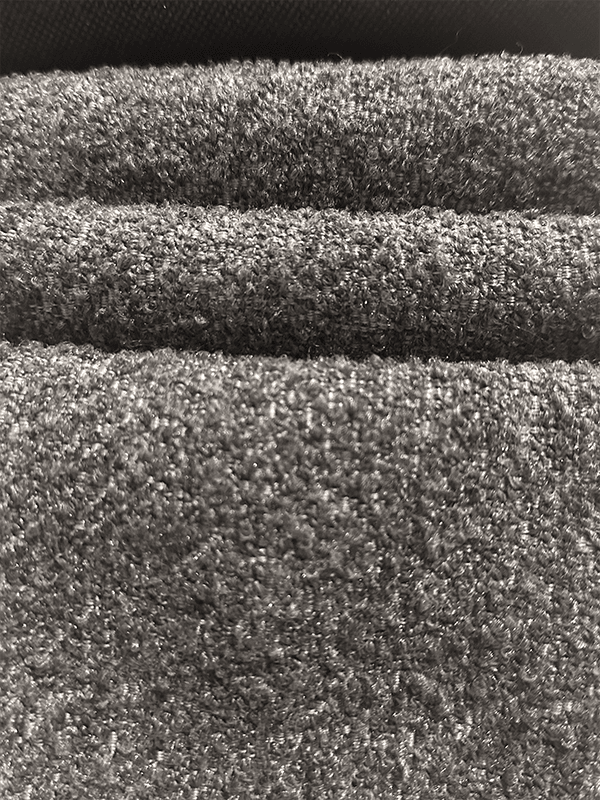
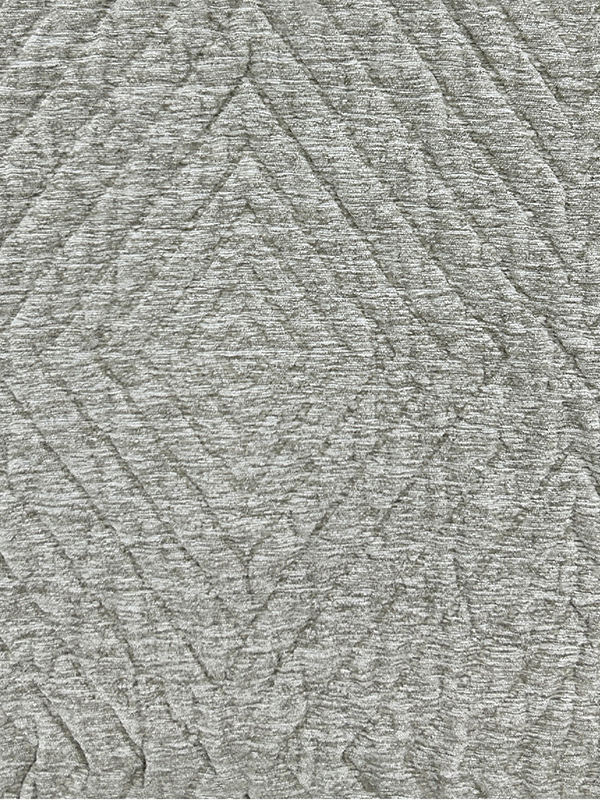
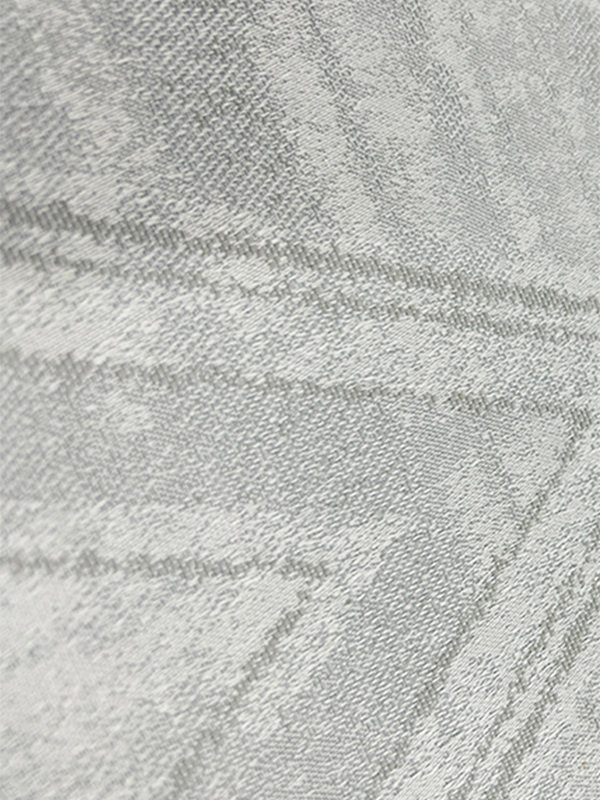
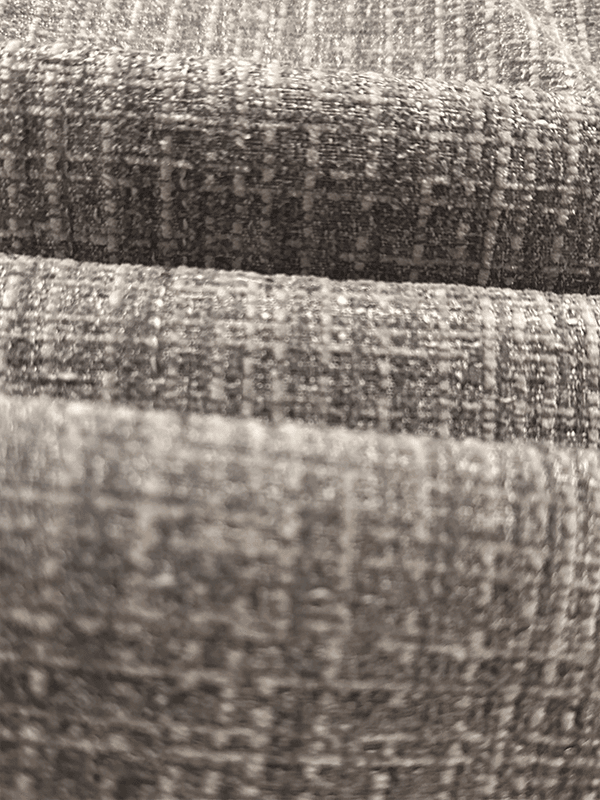
Chenille is a soft, textured fabric made from twisted fibers that create a plush, velvety feel. It's comfortable and visually appealing but can snag easily. Jacquard is a woven fabric with intricate, built-in patterns — not printed — making it highly durable and resistant to fading. Both are popular choices for traditional or transitional interior styles.
Key Factors to Consider When Choosing Sofa Fabric
Selecting the right sofa fabric requires evaluating several practical factors beyond color and texture. Here's what you should consider before making a final decision:
- Household traffic: High-traffic households need tightly woven, durable fabrics like microfiber or leather that can handle daily use without breaking down quickly.
- Pets and children: Look for fabrics with a high rub count (above 15,000 double rubs) and stain-resistant finishes. Avoid loosely woven materials that snag easily.
- Climate and comfort: In warm or humid climates, breathable natural fabrics like linen or cotton are more comfortable. In colder regions, velvet or chenille offers warmth and coziness.
- Maintenance requirements: Consider how easy the fabric is to clean. Some require professional cleaning, while others can be spot-cleaned or machine-washed with removable covers.
- Sunlight exposure: Sofas placed near windows need UV-resistant fabrics or solution-dyed fibers to prevent premature fading.
- Allergies: Hypoallergenic materials like microfiber or leather are better choices for allergy-prone households compared to fabrics that trap dust and dander.
Understanding the Rub Count and Durability Ratings
One of the most useful — yet often overlooked — indicators of sofa fabric durability is the "rub count," also known as the Martindale or Wyzenbeek rating. This measures how many times a fabric can be rubbed back and forth before it shows signs of wear.
| Rub Count | Suitable Use |
| Under 9,000 | Decorative or rarely used furniture |
| 9,000 – 15,000 | Light residential use |
| 15,000 – 30,000 | General residential use |
| 30,000+ | Heavy residential or commercial use |
When buying a sofa for everyday family use, aim for a minimum rub count of 15,000. For homes with children or pets, 30,000 or above is the safer choice. Always ask the retailer or check the product specification sheet for this rating before purchasing.
How to Match Sofa Fabric to Your Interior Style
Sofa fabric plays a critical role in defining the mood and style of a room. Choosing the wrong texture or pattern can disrupt an otherwise well-designed space. Here's how to align fabric choices with popular interior design styles:
Modern and Minimalist
Clean lines and neutral tones define modern interiors. Opt for smooth fabrics like tight-woven linen blends, leather, or solid-color microfiber in shades of gray, white, beige, or charcoal. Avoid bold patterns or overly textured materials that compete with the simplicity of the design.
Traditional and Classic
Traditional rooms benefit from richer fabrics such as jacquard, chenille, or patterned velvet. Warm tones — burgundy, deep green, navy, or gold — work well. Subtle damask or floral patterns add an elegant, timeless quality that suits classic furniture silhouettes.
Bohemian and Eclectic
Boho interiors embrace layering, texture, and color. Chunky woven fabrics, mixed patterns, or global-inspired textiles fit well here. Earthy tones combined with unexpected pops of color make a sofa the visual centerpiece without clashing with the room's relaxed, curated chaos.
This style prioritizes warmth and simplicity. Soft wool blends, bouclé fabric, or light linen in neutral tones like oatmeal, dusty rose, or sage green align perfectly with the cozy, functional Scandinavian aesthetic.
Practical Tips for Maintaining Sofa Fabric
Even the highest-quality sofa fabric requires proper care to maintain its appearance and longevity. Following a consistent maintenance routine can significantly extend the life of your upholstery.
- Vacuum regularly: Use a soft brush attachment to remove dust and debris from the fabric surface at least once a week. This prevents particles from embedding deep into the fibers.
- Treat spills immediately: Blot — never rub — liquid spills with a clean cloth. Rubbing spreads the stain and pushes it deeper into the fabric. Use a fabric-safe cleaner appropriate for your specific material.
- Rotate cushions: Flip and rotate cushions every few weeks to ensure even wear and prevent permanent indentations or fading on one side.
- Protect from sunlight: Use curtains, blinds, or UV-protective window film to reduce sun exposure. Direct sunlight causes fading and fiber degradation over time.
- Use fabric protectors: Applying a fabric protection spray after purchase creates a barrier against spills and stains. Reapply every six to twelve months for ongoing protection.
- Check cleaning codes: Most sofas come with a label indicating the recommended cleaning method — W (water-based), S (solvent-based), WS (either), or X (vacuum only). Always follow these codes to avoid damaging the fabric.
Making the Final Decision: A Fabric That Fits Your Life
There is no single "best" sofa fabric — the right choice depends entirely on your lifestyle, household, aesthetic preferences, and budget. A young family with toddlers and a dog has very different needs from a couple with a formal sitting room they use occasionally. The key is to be honest about how you actually live, not how you wish you lived.
Before making your final purchase, request fabric swatches from the retailer. Live with them for a few days — place them on your existing furniture, check how they look in your room's natural light, and test how they feel against your skin. This simple step can prevent costly regret down the line.
Ultimately, investing time in understanding sofa fabric before you buy is one of the most practical decisions you can make. A well-chosen fabric not only looks good on day one — it continues to perform, look, and feel great for years to come, making it one of the most worthwhile investments in your home.