English
 中文简体
中文简体 Español
 عربى
عربى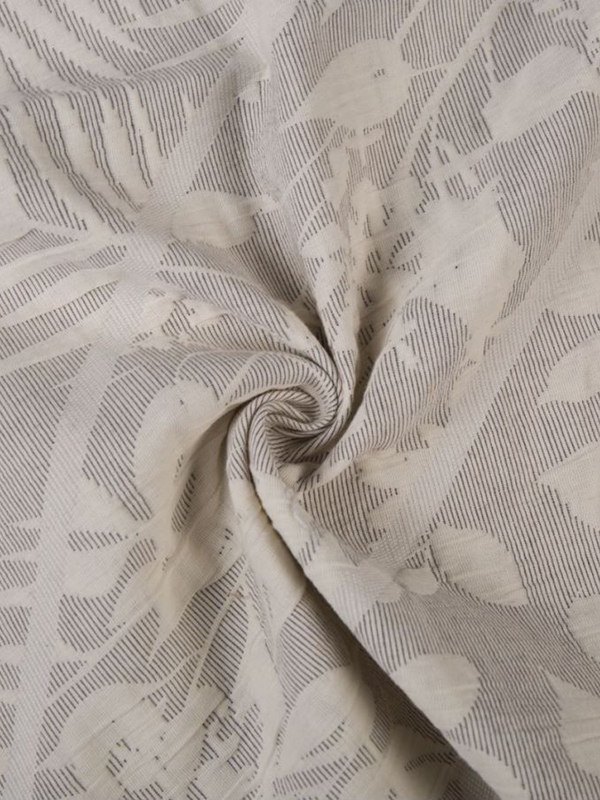
Content
What Is Jacquard Fabric and How Is It Made?
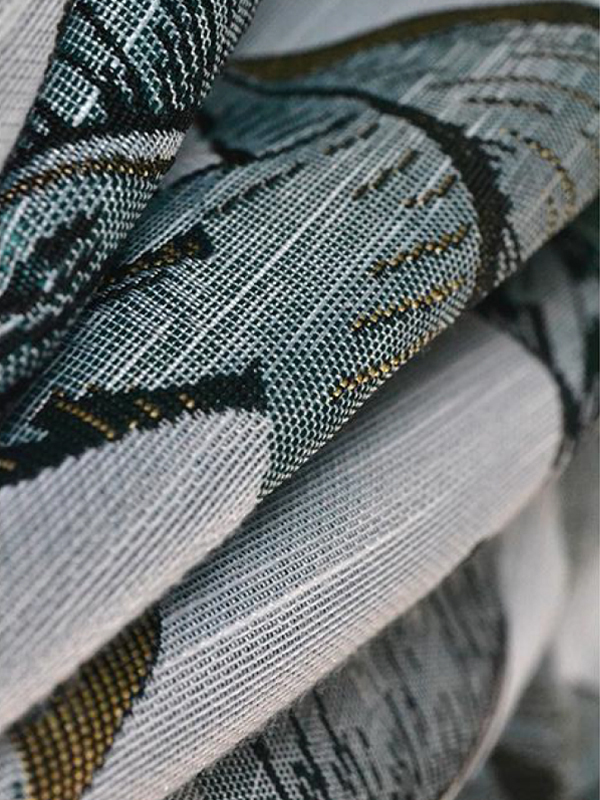
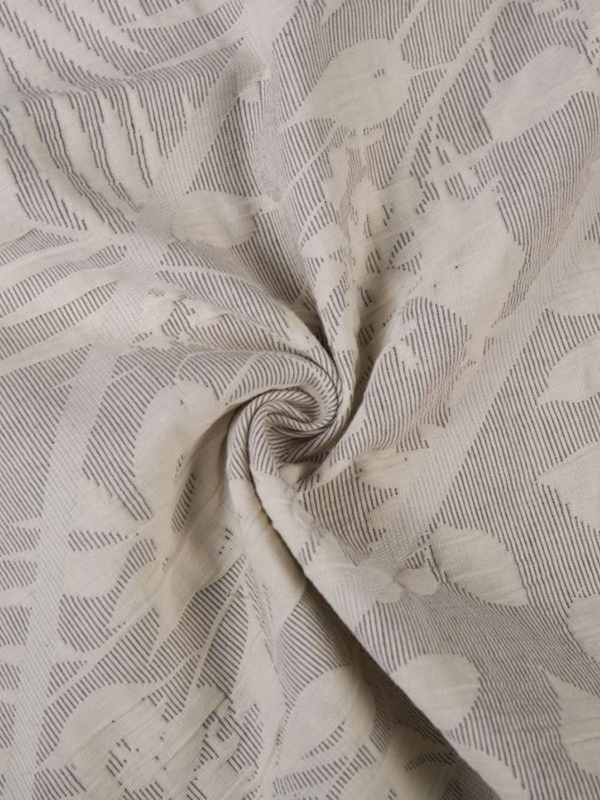
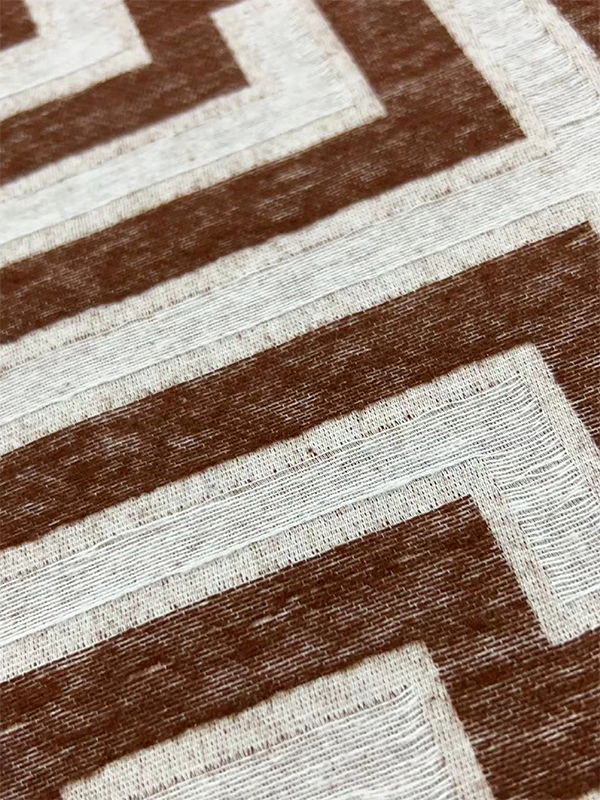
Jacquard fabric is a type of textile produced on a Jacquard loom — a mechanical weaving system invented by Joseph Marie Jacquard in 1804 that revolutionized the textile industry by allowing complex patterns to be woven directly into the fabric structure itself. Unlike printed or embroidered fabrics where designs are applied to the surface, jacquard patterns are created by controlling the interlacing of individual warp and weft threads during the weaving process. The result is a fabric where the pattern is an integral part of the textile construction rather than a surface treatment that can fade, crack, or wear away.
The Jacquard loom operates using a series of punch cards — or in modern computerized versions, digital pattern files — that independently control each warp thread. This individual thread control allows patterns of extraordinary complexity, including photorealistic imagery, intricate florals, geometric repeats, and multi-colored designs, to be woven with precision that would be impossible on conventional shaft looms. Modern computerized Jacquard looms can manage thousands of warp threads simultaneously, enabling patterns with very fine detail and large repeat sizes that define premium jacquard textiles.
Key Structural Characteristics of Jacquard Weaves
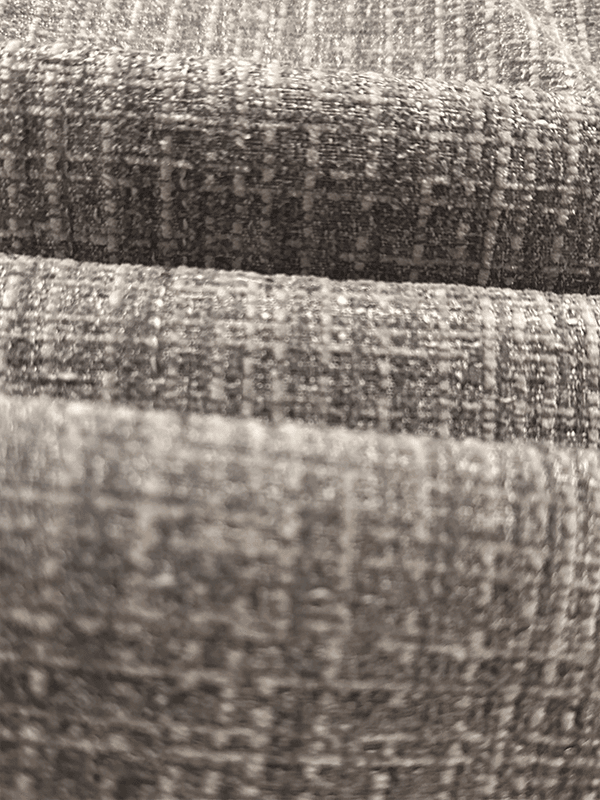
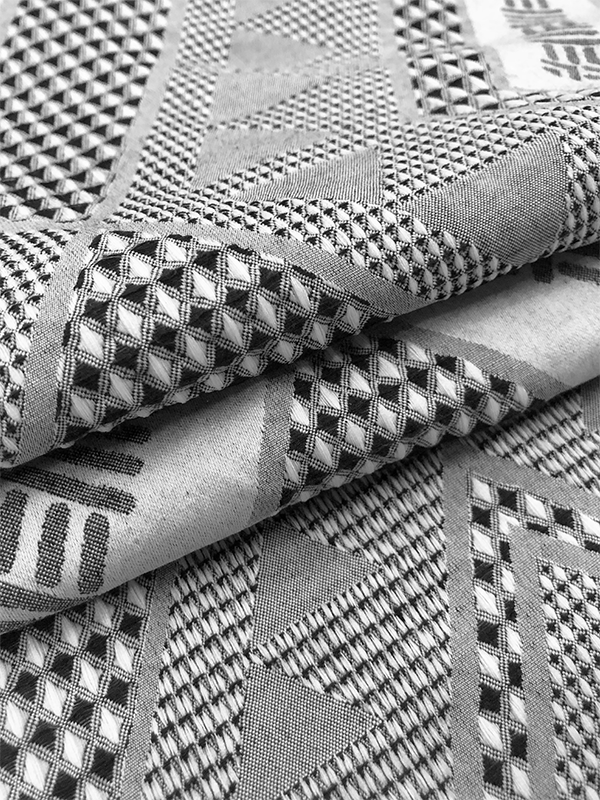
Understanding the structural properties of jacquard fabric helps explain its unique visual and tactile qualities. Unlike plain weave, twill, or satin constructions — which are defined by simple, repeating interlacement rules — jacquard structures can combine multiple weave types within a single fabric, creating areas of different texture, sheen, and relief that bring the pattern to life in three dimensions.
Warp and Weft Interaction
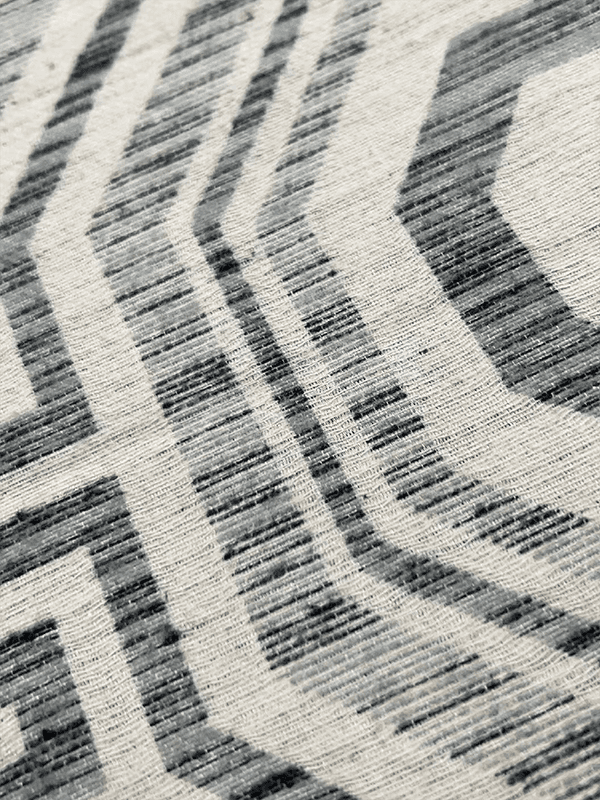
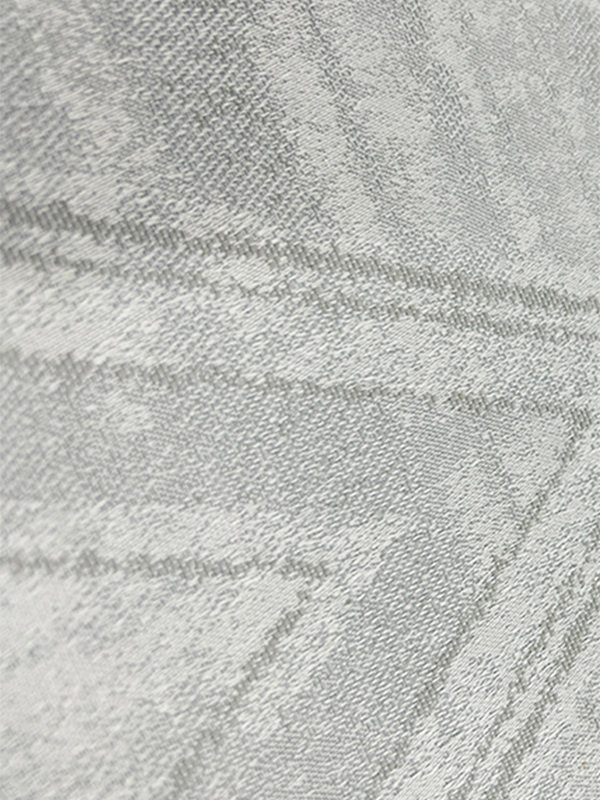
In a jacquard fabric, the pattern emerges from the deliberate variation of which warp threads are raised or lowered at each weft insertion. Areas where warp threads float over multiple weft threads create a shinier, smoother surface, while areas of dense interlacing create a matte, textured appearance. By designing patterns that exploit these contrasts, weavers achieve the characteristic raised, dimensional quality that distinguishes high-quality jacquard from flat-woven textiles.
Single vs. Double Cloth Jacquard
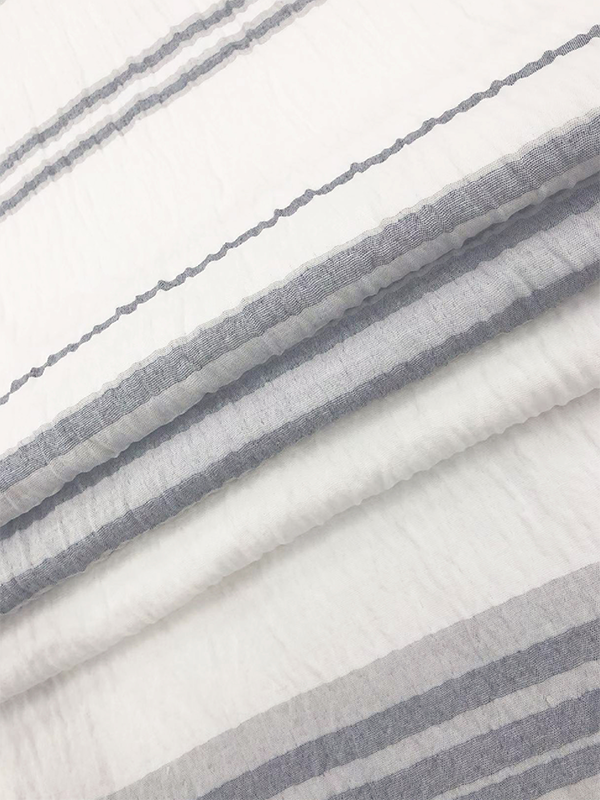
Jacquard fabrics can be constructed as single-layer or double-cloth (double-face) structures. Single-layer jacquard is the most common format, with the pattern visible primarily on the face side and a more irregular reverse. Double-cloth jacquard weaves two separate layers simultaneously, binding them together at pattern boundaries to create a reversible fabric with a clean, finished appearance on both faces. Double-cloth construction is significantly heavier and more expensive, and is used in premium upholstery, drapery, and high-end apparel applications where both sides of the fabric may be visible.
Common Fiber Types Used in Jacquard Fabric
The fiber content of a jacquard fabric profoundly affects its appearance, drape, durability, and care requirements. Jacquard weaving is compatible with virtually any fiber type, and the choice of fiber is typically driven by the intended application and price point.
| Fiber Type | Key Properties | Typical Applications | Price Range |
| Silk | Lustrous, lightweight, excellent drape | Evening wear, bridal, luxury furnishings | Premium |
| Polyester | Durable, colorfast, easy care | Upholstery, drapery, sportswear | Low–Medium |
| Cotton | Breathable, soft, natural feel | Bedding, casual apparel, tablecloths | Medium |
| Viscose/Rayon | Silky hand, good drape, affordable | Linings, blouses, decorative textiles | Low–Medium |
| Wool | Warm, resilient, natural texture | Tailored jackets, blankets, coats | Medium–Premium |
| Blended (e.g., Poly/Cotton) | Balanced performance, cost-effective | General apparel, home textiles | Low–Medium |
Silk jacquard remains the benchmark for luxury performance, delivering an incomparable combination of luster, lightness, and pattern clarity. However, polyester jacquard has captured a dominant share of the commercial market due to its significantly lower cost, color fastness, and ease of maintenance. High-quality polyester microfiber jacquard can closely mimic the appearance of silk at a fraction of the cost, making it the preferred choice for mass-market home furnishings and fast-fashion apparel.
Major Applications of Jacquard Fabric Across Industries
Jacquard fabric's ability to carry complex, durable patterns makes it suitable for a remarkably wide range of end uses. Its applications span high fashion and bridal wear, home furnishings, technical textiles, and accessories, with each sector placing different priorities on pattern complexity, fiber content, weight, and durability.
Fashion and Apparel
In fashion, jacquard fabric is used extensively in evening gowns, bridal dresses, tailored blazers, skirts, and luxury knitwear. The fabric's structured body and textured surface give garments a sculptural quality that plain or printed fabrics cannot replicate. Brocade — a heavy jacquard variant with metallic or raised pattern effects — is a fixture in couture and festive wear across many cultures, from Chinese qipao to South Asian bridal lehengas to Western formal wear. Lightweight silk or polyester jacquard is also used in blouses, linings, and scarves where the pattern adds elegance without excessive bulk.
Home Furnishings and Upholstery
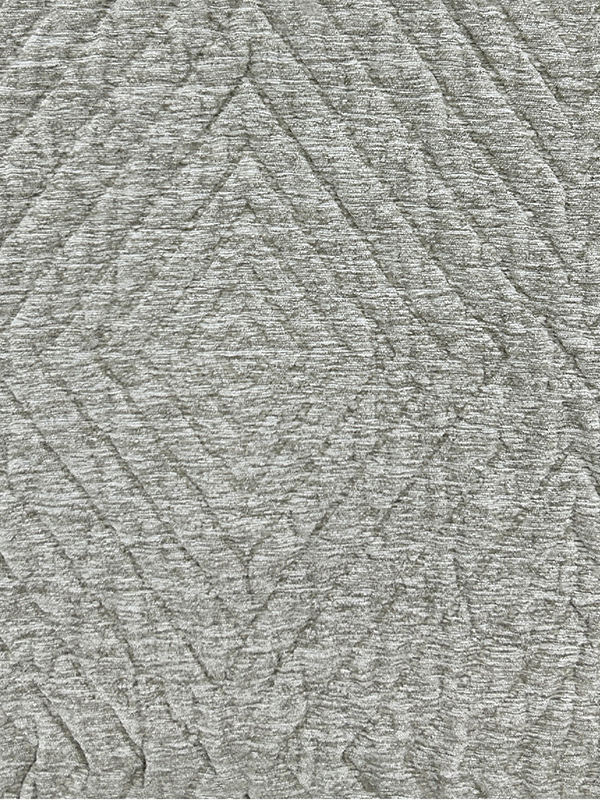
Jacquard fabric is one of the most specified materials in upholstery and drapery for both residential and contract interior projects. Its woven-in patterns do not fade with UV exposure as quickly as printed alternatives, and its denser construction provides the abrasion resistance needed for furniture coverings. Damask — a classic jacquard design featuring reversible figured patterns, traditionally in a single color — has been used in drapery, table linen, and bedding for centuries and remains a standard reference in interior design. Contemporary jacquard upholstery fabrics are available in a vast range of pattern styles, from traditional florals and paisleys to geometric abstracts and architectural motifs.
Bedding and Table Linen
Cotton and cotton-blend jacquard fabrics are widely used in premium bedding collections, including duvet covers, pillow shams, and bed skirts. The woven texture adds tactile interest and a perception of quality that elevates products above plain percale or sateen alternatives at similar thread counts. Jacquard table linen — particularly damask tablecloths and napkins — is considered the standard for formal dining and hospitality settings, where pattern durability through repeated commercial laundering is a critical performance requirement.
Accessories and Technical Textiles
Narrow jacquard weaving — producing ribbons, trims, labels, and elastic bands — is a distinct subsector of the jacquard industry with applications in garment labeling, lingerie, footwear, and packaging ribbons. In technical textiles, jacquard weaving is used to produce complex three-dimensional preforms for aerospace composites, medical implants, and structural reinforcement fabrics — applications where the precise control of fiber placement that jacquard enables translates directly into engineered performance properties.
How to Evaluate Jacquard Fabric Quality Before Buying
Whether sourcing jacquard fabric for garment production, upholstery, or retail sale, evaluating quality requires looking beyond surface appearance. The following criteria provide a systematic framework for assessing jacquard fabric quality in a commercial context.
- Pattern definition and repeat accuracy: High-quality jacquard displays sharp, clean pattern edges with consistent repeat alignment across the full fabric width. Blurred pattern edges, misregistered repeats, or floating threads pulled out of alignment indicate weaving defects or poor loom tension control.
- Thread density: Higher warp and weft thread counts per centimeter produce finer pattern detail, a smoother hand, and greater durability. Request density specifications from suppliers and verify them against a loupe or thread counter for critical applications.
- Fabric weight (GSM): Fabric weight in grams per square meter should match the intended application. Lightweight jacquard (100–180 GSM) suits apparel; medium weight (200–300 GSM) is appropriate for bedding and linings; heavy jacquard (350 GSM and above) is specified for upholstery and drapery where body and durability are required.
- Color fastness: Test color fastness to washing, rubbing (crocking), and light exposure before committing to large orders. Reactive-dyed cotton jacquard and solution-dyed polyester jacquard offer superior wash and light fastness compared to fabrics dyed with lower-grade processes.
- Float length control: Long warp or weft floats in the pattern area are structurally weaker and more prone to snagging. Examine the fabric reverse and pattern areas under magnification to assess float length. Well-designed jacquard structures minimize excessively long floats without sacrificing pattern clarity.
- Selvedge integrity: Clean, firm selvedges indicate consistent loom tension and proper weaving setup. Curling, loose, or uneven selvedges suggest tension problems that may also affect the stability and dimensional consistency of the fabric body.
Care and Maintenance of Jacquard Fabric
Proper care extends the lifespan of jacquard fabric significantly and preserves the clarity and texture of the woven pattern. Care requirements vary considerably by fiber content, but some general principles apply across most jacquard constructions.
- Washing temperature: Wash cotton and polyester jacquard at 30–40°C on a gentle cycle to prevent shrinkage and fiber distortion. Silk and wool jacquard should be dry-cleaned or hand-washed in cool water with a specialist detergent unless the care label explicitly permits machine washing.
- Avoid aggressive agitation: The long thread floats characteristic of jacquard weave structures are vulnerable to snagging during high-agitation wash cycles. Always use mesh laundry bags for delicate jacquard garments and select the lowest agitation setting available.
- Ironing: Iron jacquard fabrics on the reverse side using a pressing cloth to protect the woven pattern surface. Use appropriate heat settings for the fiber content — low heat for polyester and silk, medium heat for cotton. Avoid steam directly on silk jacquard as it can cause water spotting.
- Storage: Store jacquard garments and fabric rolls away from direct sunlight to prevent color fading. Roll rather than fold heavy jacquard upholstery fabric when possible to avoid permanent crease marks along fold lines.
- Snag repair: If a thread snag occurs, never cut the pulled thread. Instead, use a blunt needle or loop tool to gently ease the thread back through to the reverse side of the fabric, restoring the weave structure without visible damage to the face pattern.
Following fiber-appropriate care protocols preserves not only the structural integrity of the weave but also the vivid pattern contrast that gives jacquard fabric its distinctive premium appearance over years of use. For high-investment upholstery and furnishing applications, professional cleaning is recommended at regular intervals to maintain both appearance and fabric longevity.