English
 中文简体
中文简体 Español
 عربى
عربى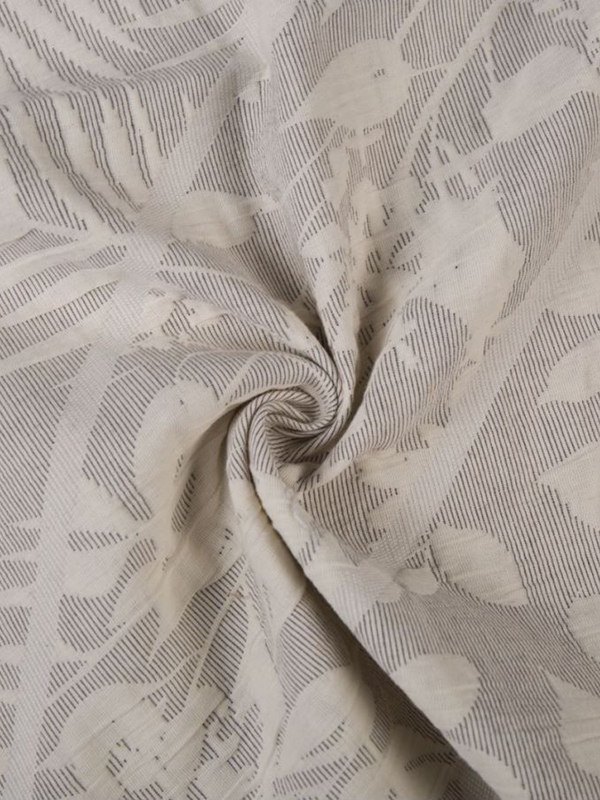
Content
What Are the Key Types of Curtain Fabric?
Curtain fabrics vary widely in texture, weight, and appearance, offering different aesthetic and functional qualities. The most common types include cotton, linen, polyester, silk, velvet, and blended fabrics. Each type serves specific purposes depending on style, light filtration, insulation, and maintenance requirements. Selecting the right curtain fabric is essential for balancing design aesthetics with practical functionality.
Cotton and Linen Curtains
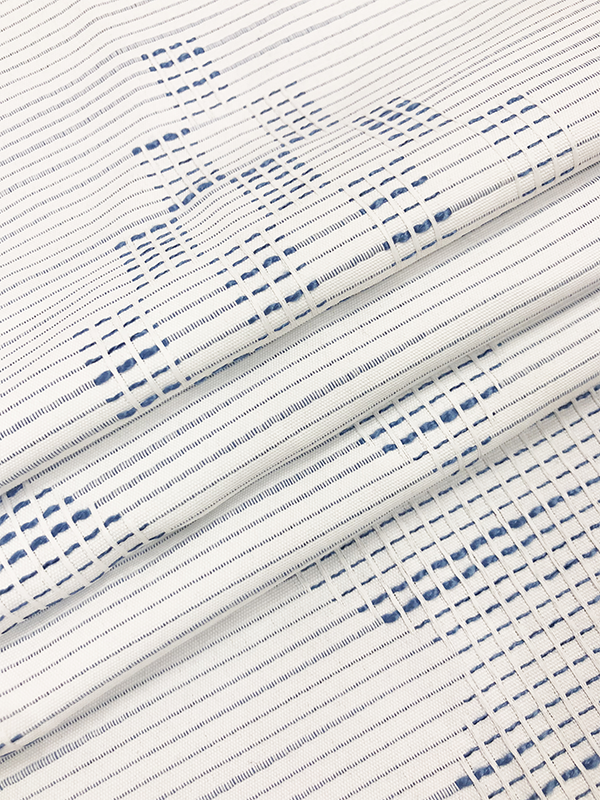
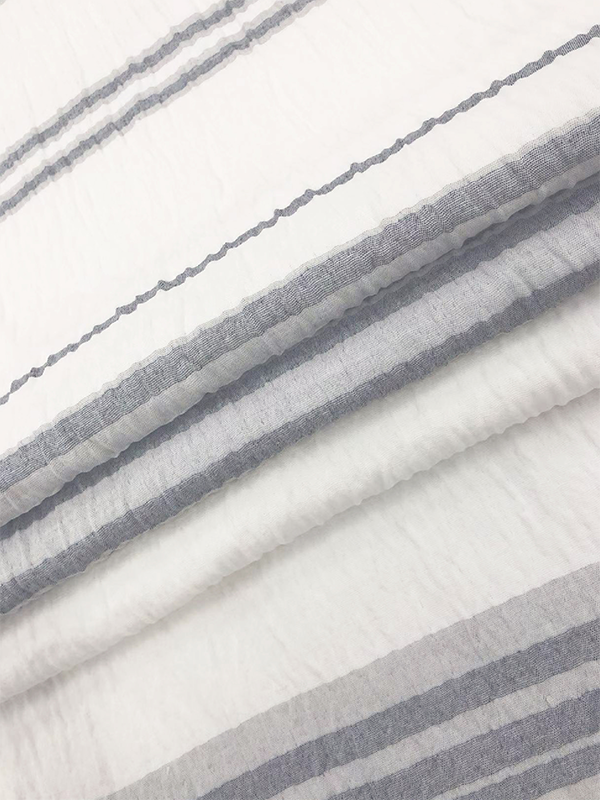
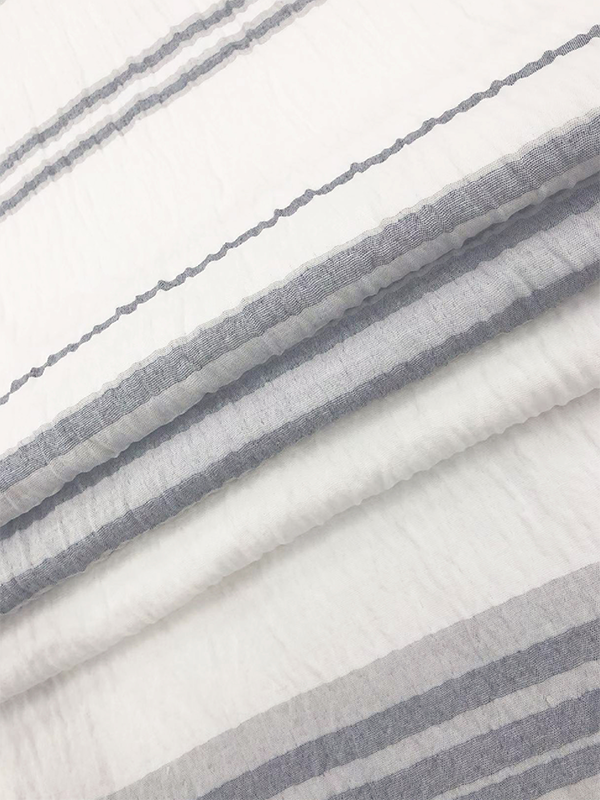
Cotton and linen fabrics are popular for their natural texture, breathability, and ease of maintenance. These fabrics allow natural light to diffuse softly, creating a bright and airy room atmosphere. They are suitable for casual, contemporary, or rustic home interiors and can be easily washed and maintained.
Polyester Curtains
Polyester is durable, resistant to wrinkles, and retains its shape over time. Its affordability and ability to mimic natural fabrics make it a practical choice for both residential and commercial spaces. Polyester curtains often feature a variety of finishes, including matte, satin, or sheer textures.
Silk and Velvet Curtains
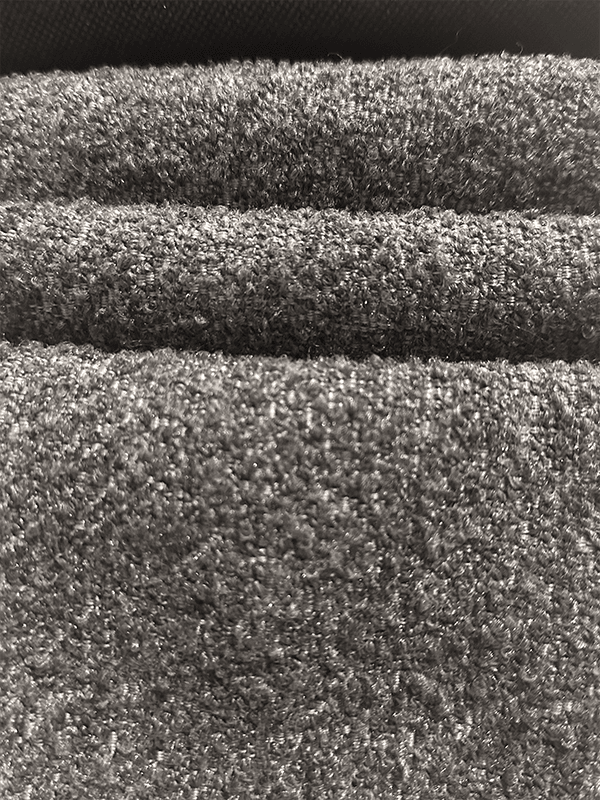
Silk and velvet fabrics are luxurious options for formal living rooms, dining rooms, or bedrooms. Silk offers a smooth, lustrous surface that enhances ambient light, while velvet provides thickness and insulation. Both fabrics require careful maintenance and may be combined with linings to improve durability and privacy.
What Factors Should Be Considered When Choosing Curtain Fabric?
- Light control: sheer fabrics allow natural light while blackout fabrics block sunlight
- Insulation: thick fabrics like velvet improve thermal and sound insulation
- Durability: high-traffic areas may require strong, fade-resistant fabrics
- Maintenance: natural fabrics may need delicate washing, while synthetics are easy-care
- Aesthetic appeal: color, pattern, and texture should complement interior design
How Do Different Curtain Fabrics Affect Room Ambiance?
The choice of curtain fabric directly influences the look and feel of a room. Light, sheer fabrics create an airy, open atmosphere, while thick, textured fabrics offer a cozy, intimate environment. Fabrics with reflective surfaces such as silk or satin enhance natural light, whereas matte fabrics absorb light for a subdued ambiance.
Color and Pattern Impact
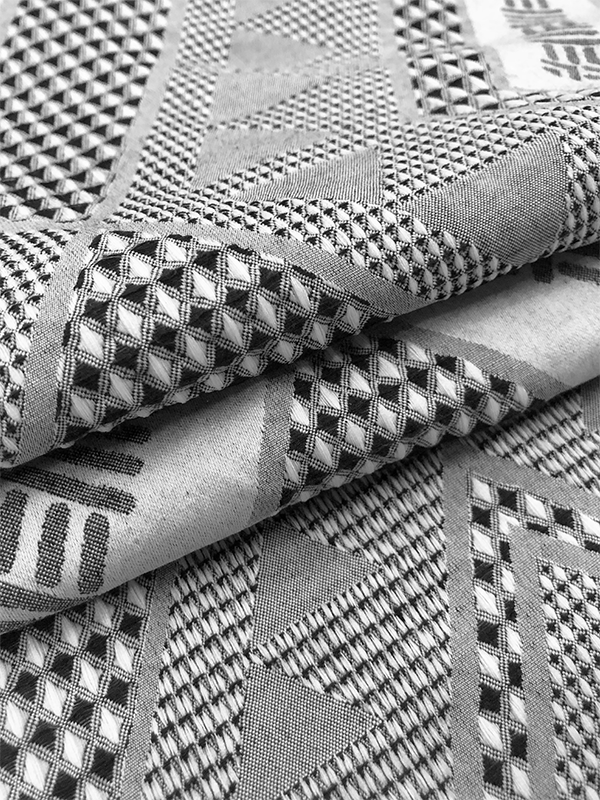
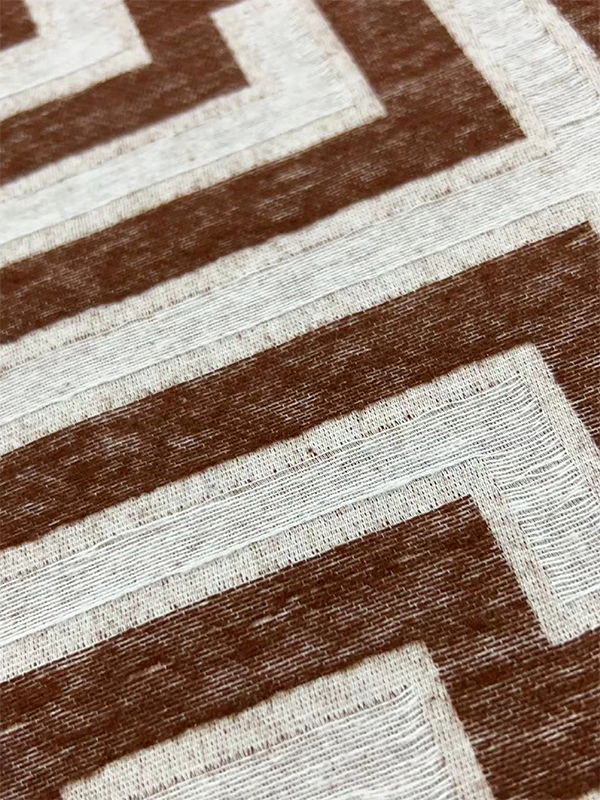
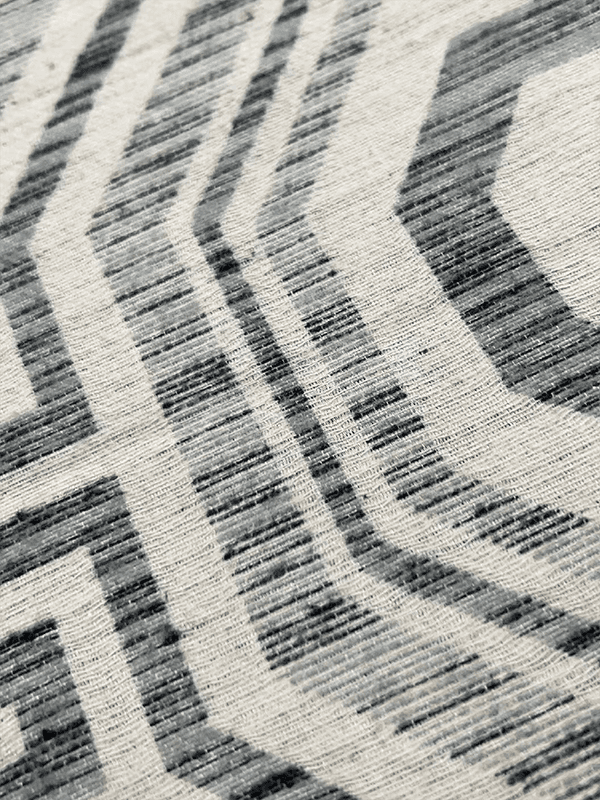
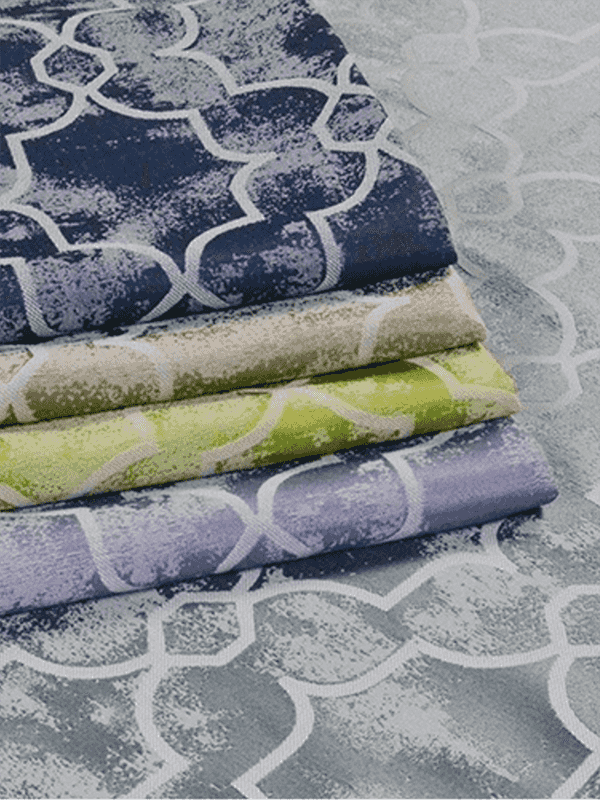
Fabric color and pattern affect both perception of space and mood. Light-colored fabrics expand space visually and brighten rooms, while darker tones add warmth and elegance. Patterns such as florals, stripes, or geometric designs provide focal points and can enhance thematic interior styles.
Texture and Draping
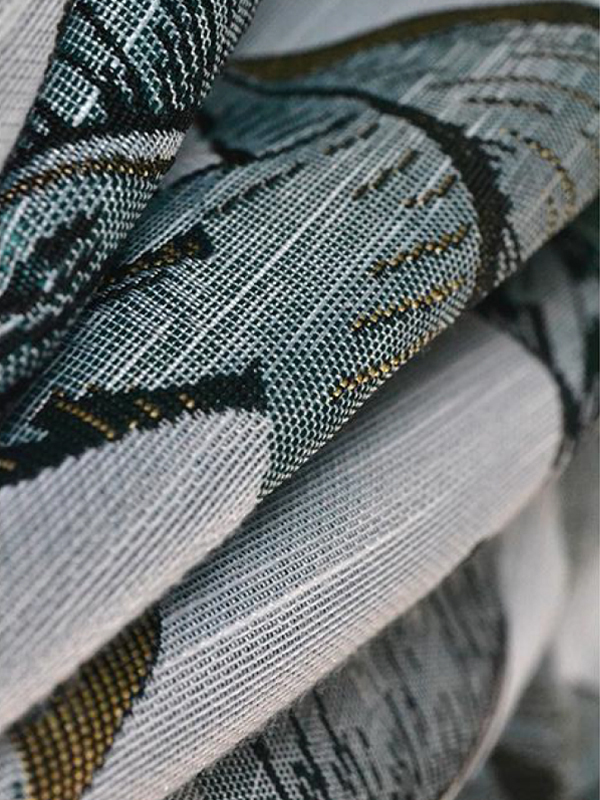
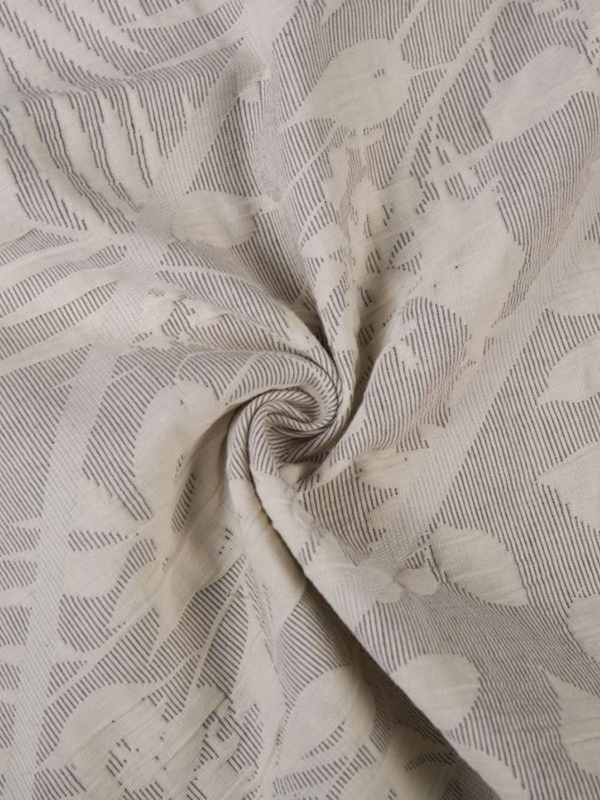
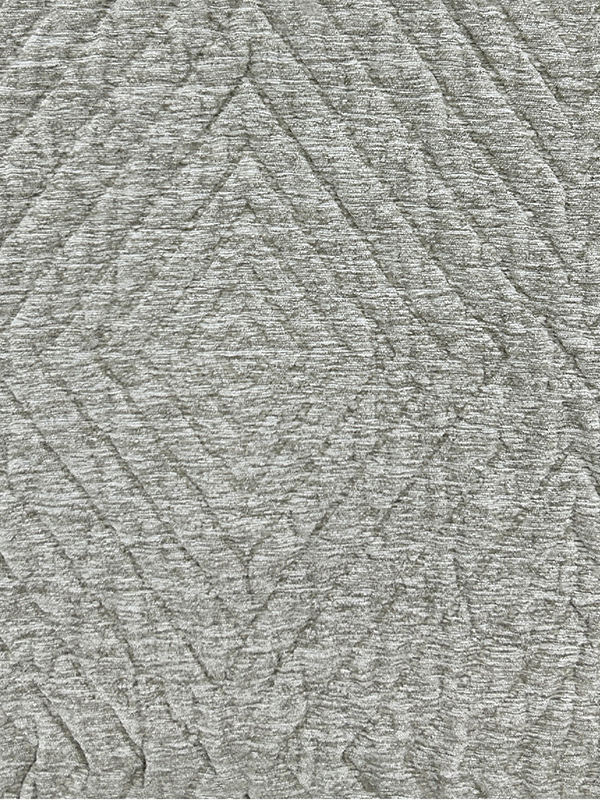
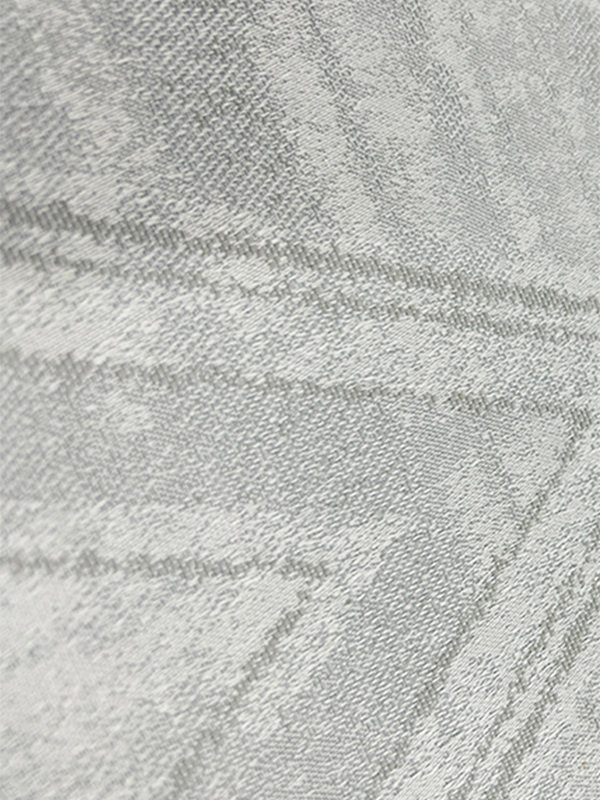
Textured fabrics, including jacquard or embroidered materials, introduce tactile richness and visual depth. Proper draping enhances fabric flow, with heavier fabrics forming structured folds, while lighter fabrics hang softly. Both choices impact the perceived luxury and comfort of a space.
What Are the Technical Specifications for Curtain Fabrics?
| Fabric Type | Weight (g/m²) | Opacity | Durability | Best Use |
| Cotton | 120-200 | Medium | Medium | Living rooms, kitchens, casual spaces |
| Linen | 150-250 | Medium | High | Formal living rooms, bedrooms |
| Polyester | 100-250 | Varies | High | Commercial and residential spaces |
| Velvet | 300-500 | High | High | Bedrooms, theaters, luxury interiors |
| Silk | 120-250 | Medium | Medium | Elegant living rooms and formal areas |
How Can Curtain Fabrics Be Maintained?
- Regular dusting with a vacuum or soft brush prevents dirt accumulation
- Check fabric care labels for washing instructions; natural fabrics often require gentle cycles
- Dry-clean delicate fabrics like silk or embroidered curtains to avoid shrinkage or damage
- Avoid prolonged exposure to direct sunlight to reduce fading
- Rotate or adjust curtains periodically to maintain even wear and appearance
Conclusion
Curtain fabric selection is an essential aspect of interior design, influencing light, ambiance, thermal efficiency, and overall aesthetics. By understanding material types, technical specifications, and maintenance practices, homeowners and designers can choose fabrics that enhance beauty and functionality.
Whether using lightweight cotton for casual spaces, insulating velvet for luxury rooms, or durable polyester for high-traffic areas, curtain fabrics offer both style and practicality. Proper care and thoughtful selection can transform interior spaces, making them more comfortable, elegant, and visually appealing.