English
 中文简体
中文简体 Español
 عربى
عربى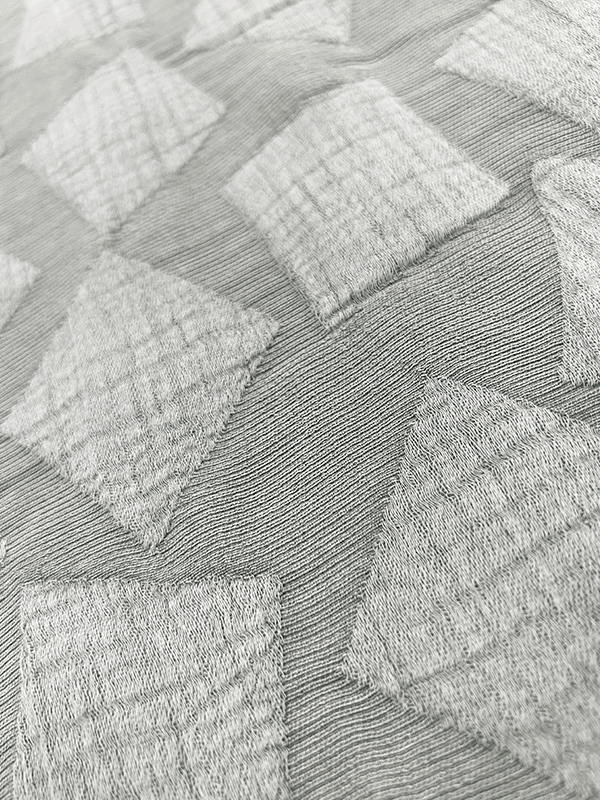
Content
- 1 What Creates Velvet's Distinctive Texture
- 2 How Velvet Feels Compared to Other Common Home Textile Fabrics
- 3 Different Types of Velvet and How Their Textures Vary
- 4 Practical Considerations When Using Velvet in Home Textiles
- 5 How to Identify Quality Velvet Home Textile Fabric
- 6 Where Velvet Home Textile Fabric Works Best
Velvet has been one of the most coveted textiles in interior design for centuries, and its enduring appeal comes down to one defining quality: its texture. Unlike most home textile fabrics, velvet doesn't rely on pattern or print to command attention — it draws the eye and the hand through the way it physically feels and responds to light. If you're considering velvet for curtains, upholstery, cushion covers, bed runners, or throws, understanding exactly what its texture consists of — and how different types of velvet differ from one another — will help you make a far more informed decision than simply going by appearance in a product photograph.
What Creates Velvet's Distinctive Texture
Velvet's texture is the direct result of its unique construction method. Unlike woven fabrics where threads interlace horizontally and vertically on a flat plane, velvet is produced on a specialized loom that simultaneously weaves two layers of fabric face-to-face with a shared set of pile threads connecting them. When the weaving is complete, a blade cuts through the middle of those connecting threads, leaving each layer with a dense field of evenly cut, upright fiber ends — the pile. It is this cut pile surface that gives velvet its characteristic soft, plush feel.
The pile height — typically between 1 mm and 3 mm in home textile velvet — determines how deep and lush the texture feels. Shorter pile creates a tighter, firmer surface with a more subtle sheen, while longer pile feels noticeably softer and more luxurious underhand but tends to crush more easily with use. When you run your fingers across velvet in one direction, the pile lays flat and the surface appears lighter in color; reverse your stroke and the pile stands against you, producing a darker, richer tone. This directional light response, called the "nap," is one of velvet's most visually distinctive qualities and is something that flat-woven home textiles simply cannot replicate.
How Velvet Feels Compared to Other Common Home Textile Fabrics
Describing velvet's texture in isolation only goes so far — comparing it directly to other fabrics commonly used in home textiles gives a clearer sense of where it sits on the softness, weight, and drape spectrum.
| Fabric | Surface Texture | Weight | Drape | Best Home Use |
| Velvet | Dense, soft cut pile; directional nap | Medium–Heavy | Fluid but substantial | Curtains, upholstery, cushions |
| Linen | Slightly textured, crisp, natural slubs | Light–Medium | Relaxed, casual | Curtains, bedding, tablecloths |
| Cotton Sateen | Smooth, subtle sheen, flat surface | Light–Medium | Soft, flowing | Bedding, pillow covers |
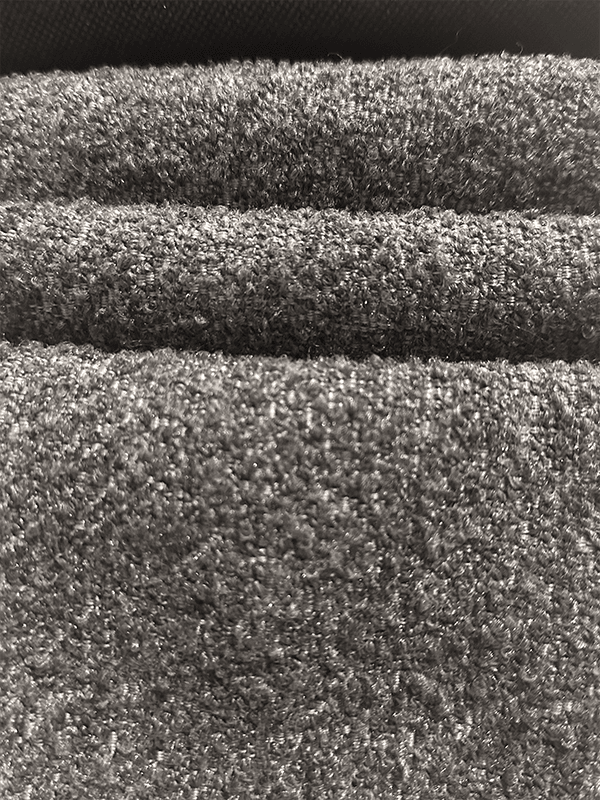
| Chenille | Fuzzy, caterpillar-like pile; soft | Medium–Heavy | Heavy, structured | Upholstery, throws |
| Faux Suede | Matte, brushed, uniform nap | Medium | Moderate | Upholstery, cushion covers |
| Jacquard | Raised woven pattern, varied surface | Medium–Heavy | Structured | Curtains, upholstery |
Velvet sits at the premium end of the tactile spectrum among home textile fabrics. Its pile surface engages the sense of touch more directly than any flat-woven alternative — it invites contact in a way that smooth cotton or crisp linen simply does not. This quality makes it particularly effective in spaces designed for comfort and sensory richness, such as bedrooms, reading rooms, and formal living areas.
Different Types of Velvet and How Their Textures Vary
Not all velvet feels or performs the same. The fiber content, manufacturing process, and finishing treatments applied to velvet home textile fabric create meaningful textural differences that affect both how a piece feels and how it behaves in use over time.
Silk Velvet
Silk velvet is the original and most luxurious form. Its pile, made from continuous silk filaments, has an exceptionally fine, fluid quality that feels almost weightless against the skin. The surface has a deep, three-dimensional luminosity — it absorbs and reflects light in a way that synthetic velvet cannot replicate. In home textiles, silk velvet is reserved for the most premium cushion covers, decorative throws, and bed accessories where tactile luxury is the primary design objective. It is, however, delicate, expensive, and requires careful handling and professional cleaning, which limits its practical use in high-traffic areas.
Cotton Velvet
Cotton velvet has a matte, earthy texture that feels softer and less slippery than silk velvet. Its pile is slightly coarser but still dense and inviting, and it tends to have a heavier, more substantial drape — properties that make it an excellent choice for floor-length velvet curtains and upholstered furniture. Cotton velvet breathes better than synthetic alternatives, making it more comfortable for seating upholstery in temperate climates. Its texture develops a pleasing lived-in quality with age, as the pile acquires subtle variation from use that adds rather than detracts from its character.
Polyester and Synthetic Velvet
Polyester velvet is the most widely used form in modern home textiles due to its affordability, color vibrancy, and ease of maintenance. Its texture is smooth, even, and consistent — the pile does not have the subtle irregularity of natural fiber velvet, which gives it a slightly more uniform, commercial appearance. High-quality polyester velvet has been significantly improved through microfiber technology, producing pile that is genuinely soft and fine. It resists crushing better than some natural velvet types and is generally machine washable, making it practical for items like cushion covers, throws, and casual upholstery fabric.
Crushed Velvet
Crushed velvet is a finishing treatment rather than a distinct fiber type. It is produced by twisting the fabric while wet, or by pressing the pile in multiple random directions mechanically, creating an irregular, multidirectional pattern in the nap. The result is a surface with a deliberately uneven sheen — patches of lighter and darker tone that shift with movement and viewing angle, giving the fabric an almost liquid appearance. Crushed velvet is popular in bedroom home textiles — particularly duvet covers, bed runners, and decorative cushions — where its dynamic, reflective quality adds visual interest and a sense of glamour.
Embossed and Patterned Velvet
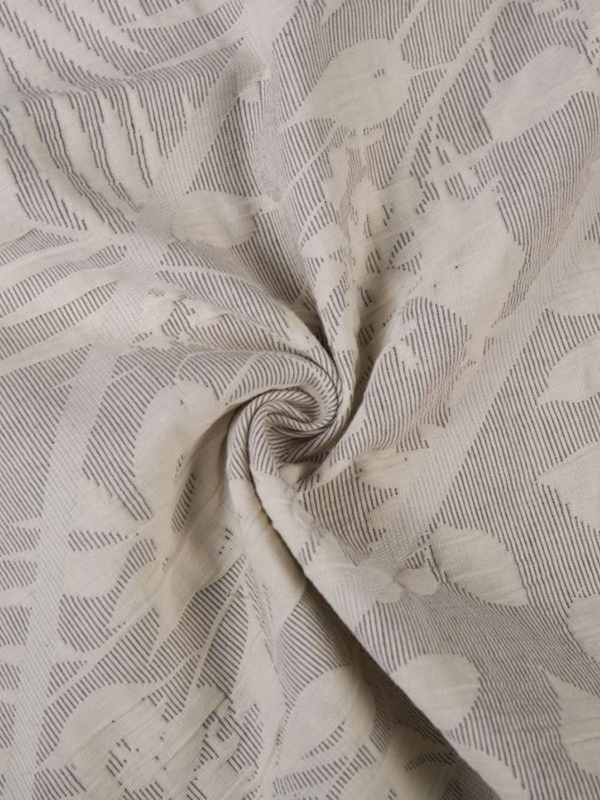
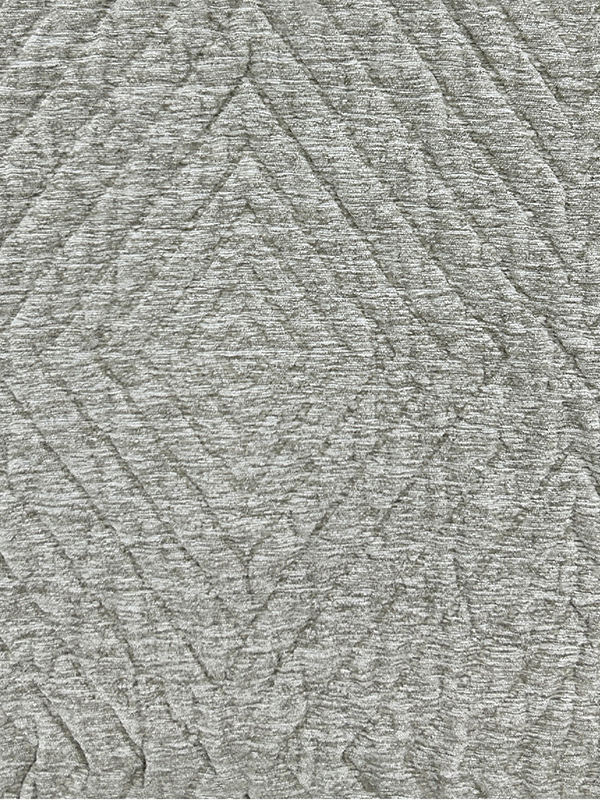
Embossed velvet uses heat-engraved rollers to press specific areas of the pile flat in predetermined patterns — florals, geometric repeats, damask motifs — while leaving the surrounding pile upright. This creates a two-level texture where the contrast between flattened and standing pile forms the pattern. Embossed velvet home textile fabric combines the tactile pleasure of velvet's pile with the visual structure of a patterned weave, making it a versatile choice for curtains, cushions, and decorative upholstery panels in both traditional and contemporary interiors.
Practical Considerations When Using Velvet in Home Textiles
Velvet's texture is its greatest asset, but it also comes with specific practical requirements that affect how you choose, use, and maintain it in a home setting. Being aware of these before purchasing saves both money and frustration.
- Pile direction consistency: When using velvet for curtains or upholstery involving multiple fabric panels, all pieces must be cut with the pile running in the same direction. Mixing pile directions creates visible tonal differences between panels under the same lighting, even when cut from the same fabric roll.
- Crush marks and recovery: Velvet pile flattens under sustained pressure, such as where a cushion rests against a sofa back or where a curtain is folded for storage. Most velvet recovers with light steaming — holding a steam iron a few centimeters above the surface and gently brushing the pile back into position. Avoid pressing directly with an iron, which will permanently flatten the pile.
- Lint and pet hair attraction: The textured pile surface of velvet home textile fabric is highly effective at trapping lint, dust, and pet hair. In homes with pets or heavy use, this requires regular maintenance with a soft velvet brush or lint roller. Choosing darker velvet colors minimizes the visibility of light-colored debris between cleaning.
- Light sensitivity: Because velvet's appearance changes so dramatically with the direction of light falling on it, the placement of velvet home textiles in relation to windows and artificial light sources should be considered during design. Velvet curtains hung where sunlight hits them at an angle will show a dynamic, shifting tone that can be a beautiful design feature — or a distraction, depending on the room's intent.
- Weight and hardware requirements: Velvet curtain fabric is significantly heavier than sheer or cotton alternatives. Curtain rods, brackets, and fixing points must be rated for the additional weight, particularly for floor-to-ceiling velvet drapes where the cumulative weight of fabric per panel can be substantial.
How to Identify Quality Velvet Home Textile Fabric
Not all velvet sold for home use meets the same standard of pile density, evenness, and base fabric construction. Knowing what to look for when evaluating velvet home textile fabric helps you distinguish durable, premium material from lower-grade product that will wear poorly.
- Pile density: Press your thumb firmly into the fabric and release. High-quality velvet bounces back quickly and completely. Thin or poorly constructed velvet leaves a visible thumbprint that recovers slowly or incompletely — a reliable indicator of low pile density and poor long-term performance.
- Base fabric stability: Stretch the fabric gently on the bias (diagonally). Quality velvet has a firm, stable backing that resists distortion. If the base fabric stretches excessively or feels flimsy, the finished product will lose its shape in use and be difficult to work with during sewing or installation.
- Color consistency across the roll: Examine the fabric from multiple angles under the same light source. Minor tonal variation with pile direction is normal and desirable in velvet. Uneven color within a single pile direction — blotchy areas or faded patches — indicates dyeing or finishing defects that will be visible in the finished product.
- Pile shedding test: Run your hand firmly across the surface of new velvet several times. A small amount of loose surface fiber is normal for new fabric. Excessive shedding — visible fiber loss after just a few strokes — suggests the pile anchoring is poor and the fabric will deteriorate rapidly with handling and use.
Where Velvet Home Textile Fabric Works Best
Velvet's textural richness makes it most effective in spaces where the goal is warmth, comfort, and visual depth. It performs particularly well in the following home textile applications:
- Bedroom textiles: Velvet cushion covers, bed runners, headboard upholstery, and decorative throws bring a sensory warmth to the bedroom environment that complements the room's purpose. The fabric's soft pile and deep color saturation create an atmosphere of enclosed comfort that lighter, crisper fabrics cannot match.
- Living room curtains and drapes: Full-length velvet curtains are one of the most impactful uses of the fabric in interior design. Their weight causes them to hang in smooth, sculptural folds, and their light-absorbing pile creates a sense of intimacy and acoustic softness in the room when drawn.
- Upholstered accent furniture: Velvet is ideal for occasional chairs, ottomans, and window seat pads where visual impact is important and the upholstery won't receive the daily abrasive use of a main sofa. In these lower-wear applications, velvet's texture remains pristine longer and the investment is well justified.
- Decorative cushions and scatter pillows: Mixing velvet cushion covers with linen, cotton, or wool cushions on the same sofa or bed creates textural contrast that enriches the sensory experience of a space without overcommitting to velvet across large surface areas.
Velvet home textile fabric earns its status not through trend alone but through a physical quality that engages sight and touch simultaneously in ways that other fabrics simply cannot. Its cut pile construction, directional nap, and rich depth of color make it one of the most texturally complex and rewarding materials available for interior use — provided it is selected thoughtfully, matched to the right application, and maintained with a basic understanding of how its pile surface behaves over time.