English
 中文简体
中文简体 Español
 عربى
عربى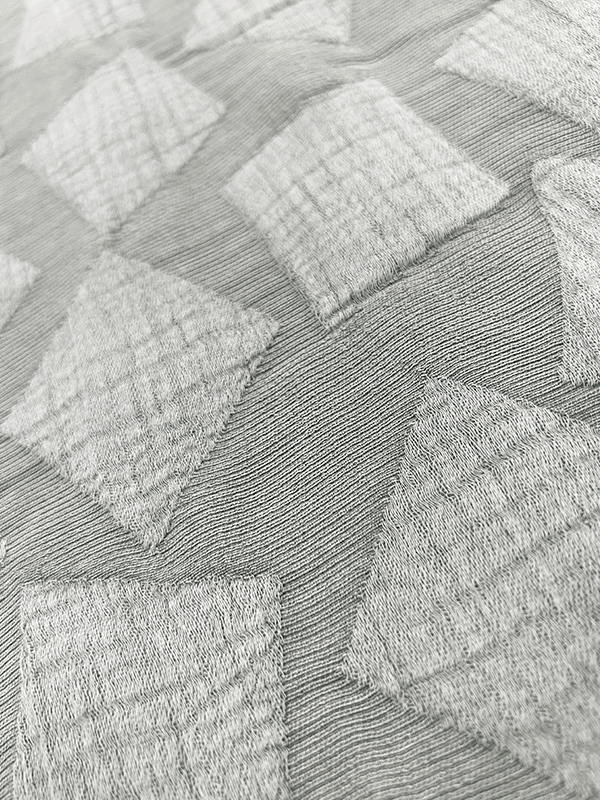
Content
- 1 What Are Cotton and Wool and Where Do They Come From?
- 2 Core Differences Between Cotton and Wool in Everyday Use
- 3 Cotton vs Wool: A Direct Comparison Table
- 4 What Is 100% Cotton Jacquard Fabric and How Is It Made?
- 5 Why Choose 100% Cotton Jacquard Over Wool or Blended Jacquard Fabrics?
- 6 Common Applications of 100% Cotton Jacquard Fabric
- 7 Choosing Between Cotton and Wool: A Practical Decision Guide
What Are Cotton and Wool and Where Do They Come From?
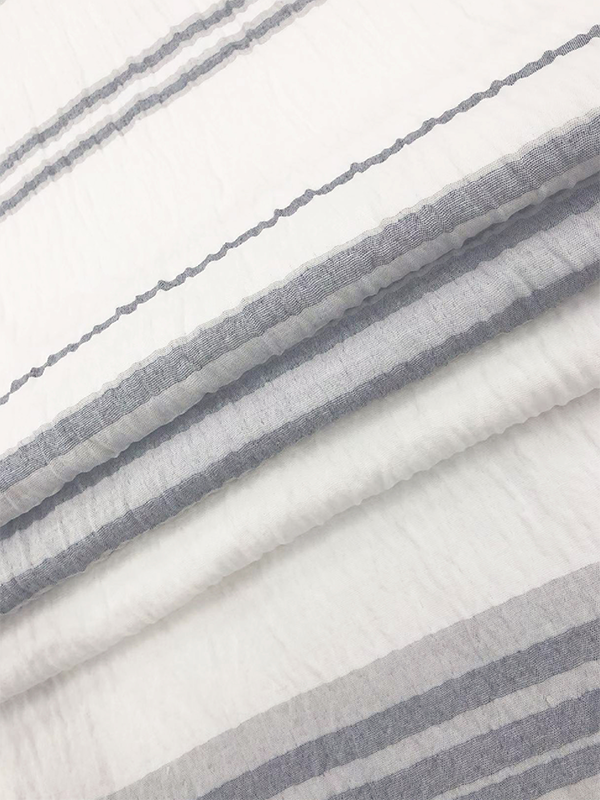
Cotton and wool are two of the oldest and most widely used natural textile fibers in the world, yet they come from entirely different biological sources and possess fundamentally different physical structures. Cotton is a plant-based cellulosic fiber harvested from the seed pods of the Gossypium plant, grown primarily in warm climates across the United States, India, China, and Brazil. Each cotton fiber is a single elongated plant cell composed mainly of cellulose — a carbohydrate polymer — which gives it its characteristic softness, absorbency, and affinity for water-based dyes. The fiber length, or staple length, varies by variety: Upland cotton produces shorter fibers of 22 to 32 mm, while premium Egyptian and Pima cottons yield extra-long staples exceeding 38 mm, resulting in finer, stronger yarns and smoother fabrics.
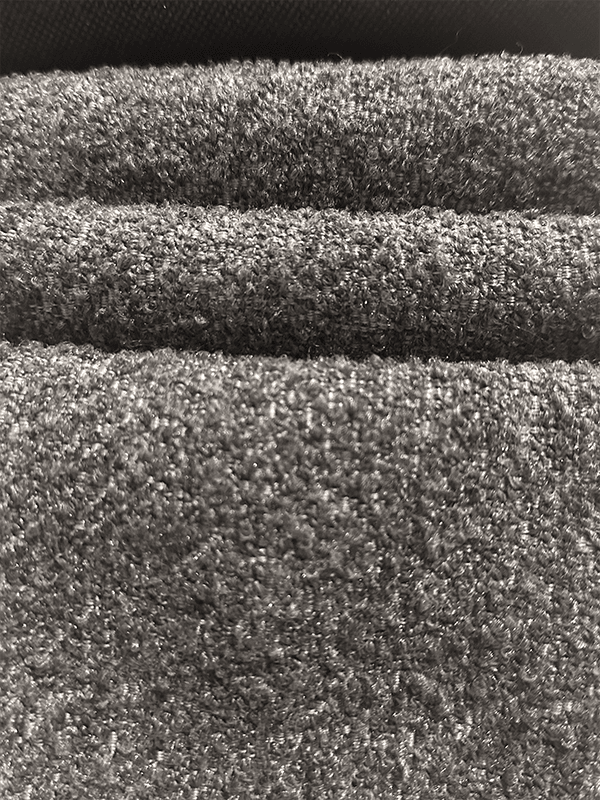
Wool, by contrast, is a protein-based fiber derived from the fleece of sheep, though the broader category of wool includes fiber from alpacas, cashmere goats, Angora rabbits, and camels. Structurally, each wool fiber is a complex protein filament composed primarily of keratin, surrounded by overlapping microscopic scales on its outer cuticle layer. These scales are what give wool its natural crimp, bulk, and the ability to felt when agitated under heat and moisture. Merino sheep produce the finest wool grades, with fiber diameters as low as 15 to 17 microns — fine enough to wear directly against the skin without irritation — while coarser breeds produce fibers above 30 microns, better suited to carpets and industrial textiles.
Core Differences Between Cotton and Wool in Everyday Use
While both fibers are natural and breathable in the broad sense, their performance characteristics diverge significantly in practical use. Understanding these differences allows consumers and designers to make informed choices based on the specific demands of a garment, textile, or application.
Temperature Regulation and Insulation
Wool is a significantly better insulator than cotton. The crimped, three-dimensional structure of wool fibers traps air within the fabric, creating a thermal barrier that retains body heat in cold conditions. Wool also has the remarkable ability to absorb up to 30 percent of its weight in moisture vapor without feeling wet, releasing it gradually as heat — a process called hygroscopic heat release that generates additional warmth. This is why wool garments remain warm even when damp. Cotton, by comparison, absorbs moisture readily and holds it against the skin, becoming cold, heavy, and slow to dry when wet. In cold or wet conditions, cotton loses most of its insulating value — a property that has led outdoor safety experts to warn against cotton clothing in cold or wilderness environments.
In warm weather, however, cotton has the advantage. Its flat, smooth fiber structure allows air to circulate freely through loosely woven cotton fabrics, and its high moisture absorbency picks up perspiration from the skin and moves it to the fabric surface for evaporation, creating a cooling effect. Lightweight cotton fabrics like voile, lawn, and poplin are among the most comfortable hot-weather materials available for everyday wear.
Durability, Pilling, and Fiber Strength
Cotton fiber is stronger than wool under dry tensile conditions — cotton has a tenacity of approximately 3 to 5 grams per denier, while wool averages 1 to 1.7 grams per denier. However, wool is significantly more elastic: it can stretch up to 30 percent of its length and still return to its original dimensions, compared to cotton's stretch of approximately 3 to 7 percent. This elasticity means wool garments resist wrinkling, recover their shape after stretching, and maintain their drape over extended wear. Cotton, while durable in abrasion, wrinkles easily and may shrink significantly when washed in hot water due to the relaxation of internal tensions in the fiber structure. Wool is prone to pilling on the surface when short fiber ends work their way free and tangle into small balls, though higher-quality wool fabrics with longer fiber staples and tighter constructions are considerably more pill-resistant.
Care and Maintenance Requirements
Cotton is generally easier to care for than wool. Most cotton fabrics can be machine-washed in warm water, tumble-dried, and ironed at high temperatures — making them suitable for everyday household use and regular laundering cycles. Wool requires considerably more care: the overlapping cuticle scales on wool fibers can interlock permanently under heat and agitation — a process called felting — which causes irreversible shrinkage and surface matting. Most wool garments require cold-water hand washing or machine washing on a delicate cycle with a wool-specific detergent, followed by flat drying to prevent distortion. Superwash wool treatments chemically modify the fiber surface to reduce felting risk, making these treated wools more practical for regular laundering without specialist care.
Cotton vs Wool: A Direct Comparison Table
The following table provides a structured side-by-side overview of how cotton and wool compare across the properties most relevant to apparel and home textile applications:
| Property | Cotton | Wool |
| Fiber Source | Plant (seed pod cellulose) | Animal (sheep fleece protein) |
| Insulation | Low — poor when wet | High — retains warmth when damp |
| Breathability | Excellent in warm weather | Good; temperature-regulating |
| Moisture Absorption | High — holds moisture against skin | High — absorbs without feeling wet |
| Elasticity | Low — wrinkles easily | High — shape recovery excellent |
| Care Requirements | Easy — machine washable | Delicate — risk of felting |
| Skin Sensitivity | Hypoallergenic, rarely irritating | Coarse grades may cause itching |
| Typical Applications | T-shirts, bedding, denim, towels | Sweaters, suits, blankets, socks |
What Is 100% Cotton Jacquard Fabric and How Is It Made?
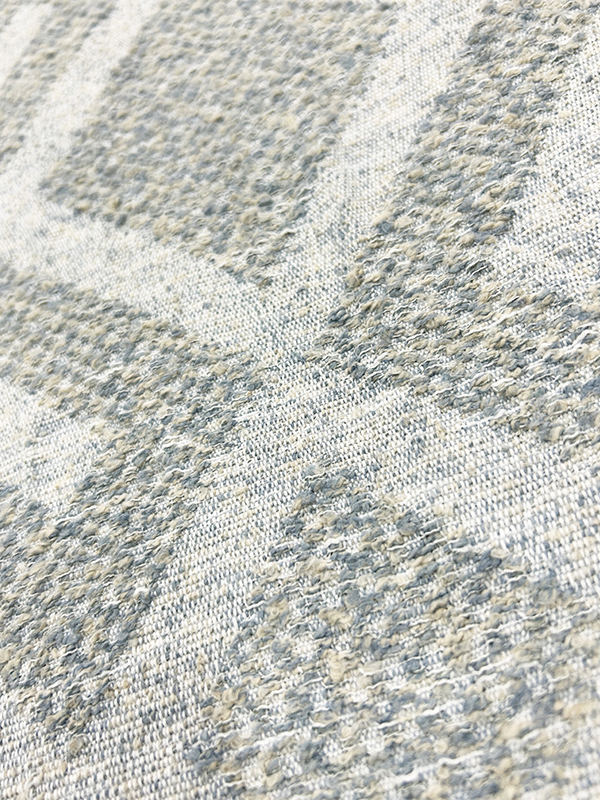
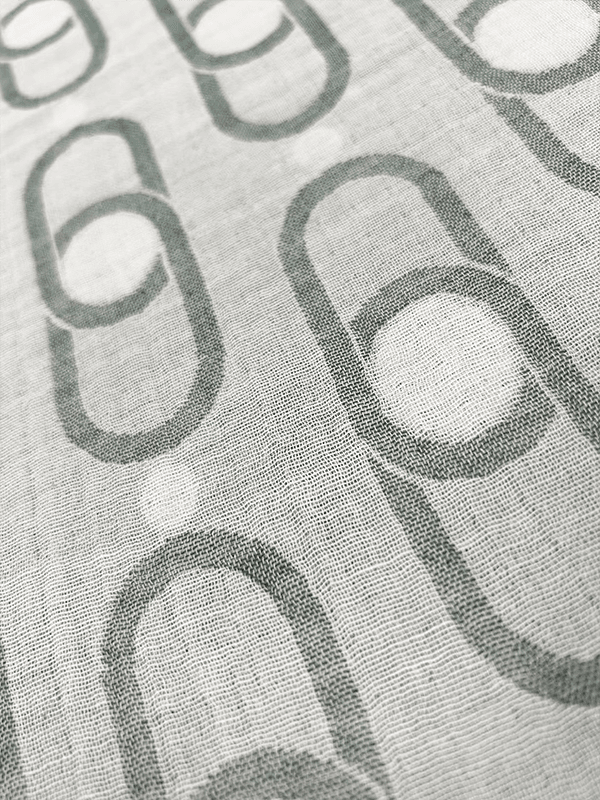
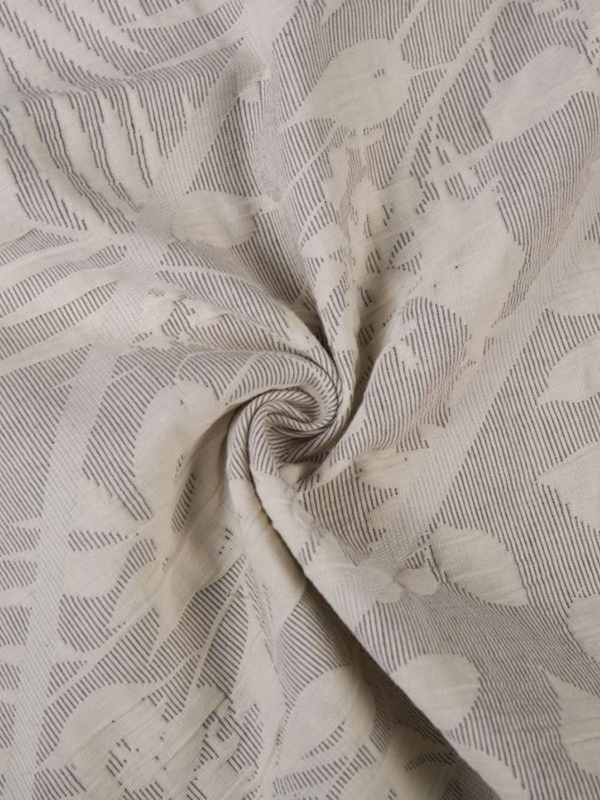
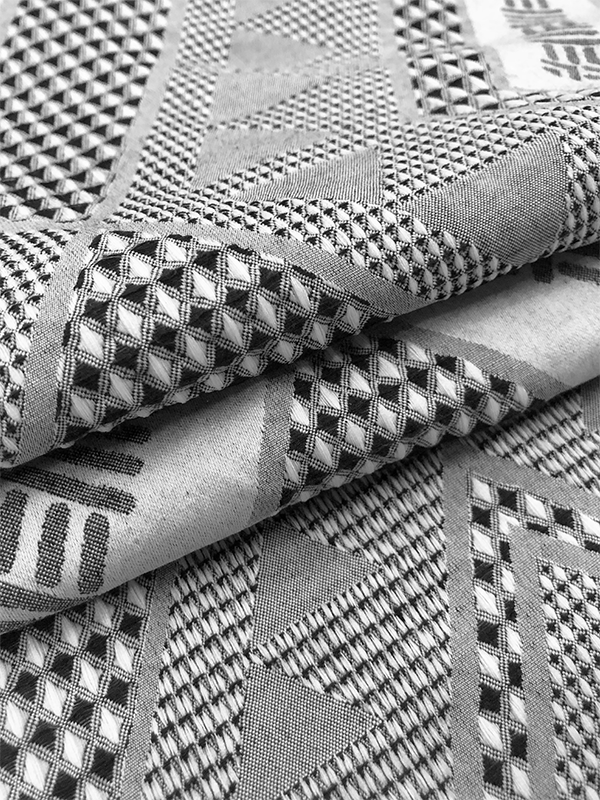
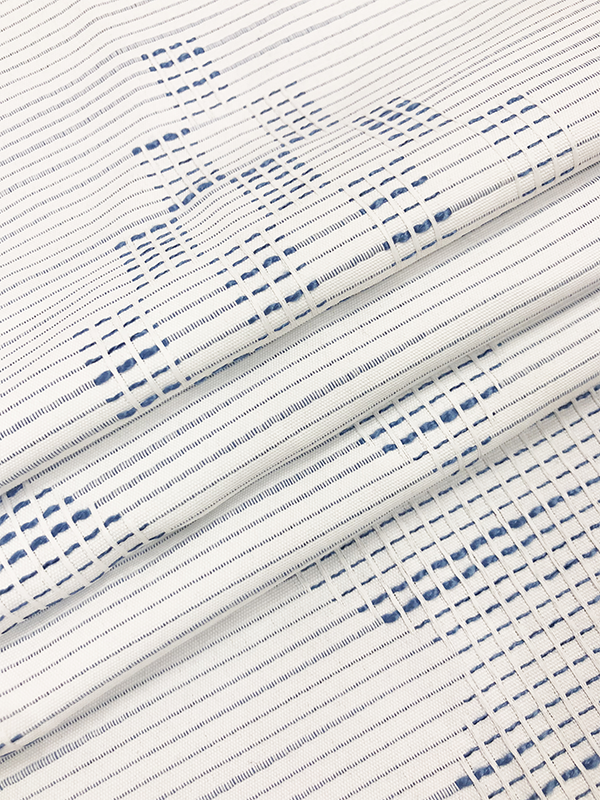
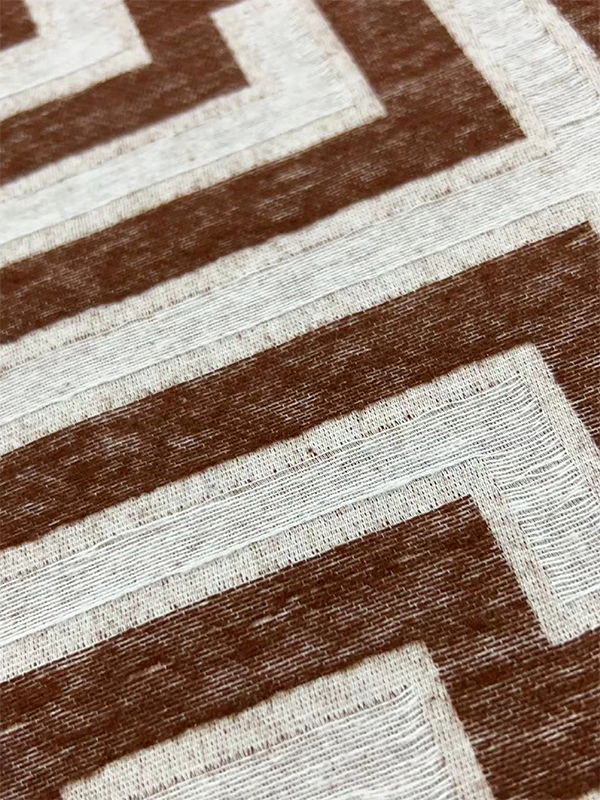
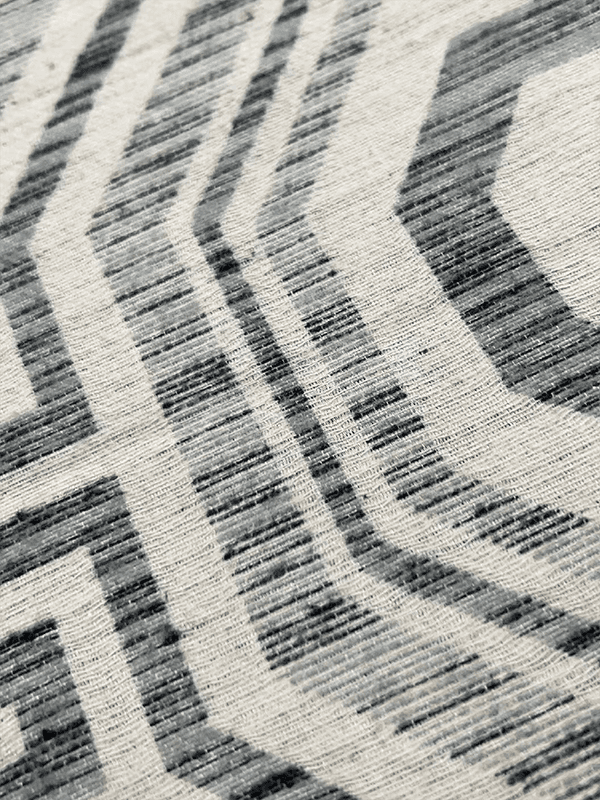
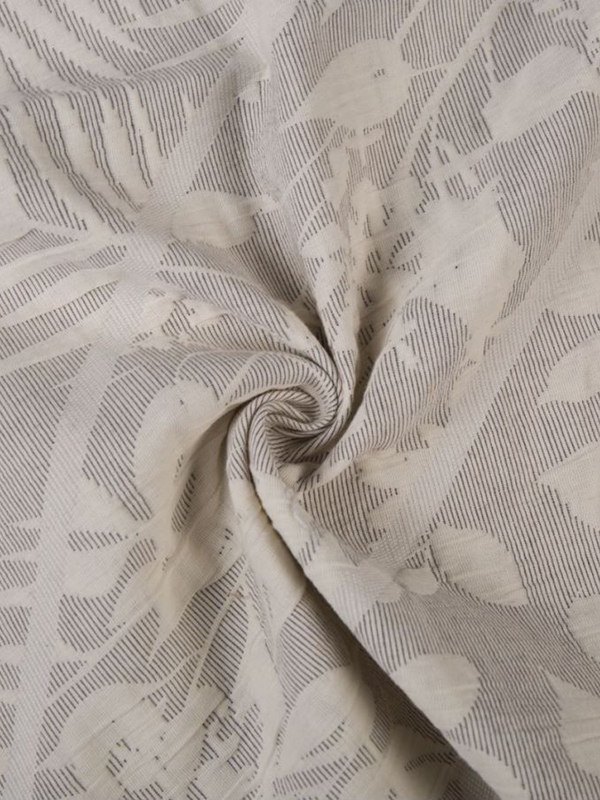
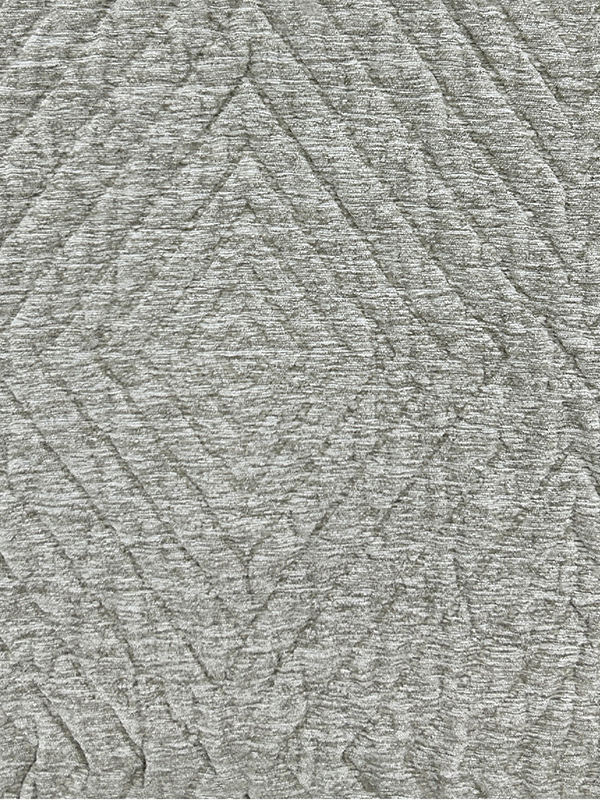
Jacquard fabric is a category of woven textile produced on a Jacquard loom — a mechanized or computerized weaving system invented by Joseph Marie Jacquard in 1804 that allows independent control of every individual warp thread during weaving. This capability enables the creation of complex, multi-layered patterns, textures, and imagery directly woven into the fabric structure, rather than printed or embroidered onto its surface. When this technology is applied using 100% cotton yarn as both the warp and weft, the result is 100% cotton jacquard fabric — a textile that combines the natural performance benefits of cotton with the structural depth and visual complexity of jacquard weaving.
The production of 100% cotton jacquard fabric begins with the preparation of high-quality combed or mercerized cotton yarns, which are wound onto warp beams and loaded into the jacquard loom alongside the weft supply. A digital design file or punched card system programs the loom's head mechanism to raise and lower specific warp thread combinations in sequence as each weft pick is inserted, building up the pattern row by row. The resulting fabric can feature raised geometric motifs, floral designs, textured damask patterns, dobby stripes, or pictorial imagery — all structurally integral to the cloth rather than applied to its surface. Because the pattern is woven rather than printed, it appears identical on both faces of the fabric in a reversible jacquard, and it will not fade, crack, or peel with washing the way printed designs eventually do.
Why Choose 100% Cotton Jacquard Over Wool or Blended Jacquard Fabrics?
Jacquard fabrics can be woven from virtually any fiber — silk jacquard is prized in luxury fashion, wool jacquard is used in traditional tapestry and suiting, and polyester jacquard is common in low-cost furnishings. However, 100% cotton jacquard offers a specific set of advantages that make it the preferred choice for a wide range of applications, particularly when performance, care ease, and skin comfort are priorities.
- Hypoallergenic and Skin-Friendly: Cotton is naturally hypoallergenic and free from the animal proteins that can trigger wool sensitivity in people with allergies or sensitive skin. This makes 100% cotton jacquard the clear choice for bedding, baby textiles, and apparel with direct skin contact.
- Superior Washability: Unlike wool jacquard, which risks felting and distortion with regular laundering, cotton jacquard fabrics can withstand repeated machine washing without loss of pattern clarity or dimensional stability. This practical advantage makes them highly suitable for tablecloths, napkins, towels, and upholstery in high-use environments.
- Excellent Color Retention: Cotton's cellulosic structure accepts reactive and vat dyes with outstanding depth and washfastness. Jacquard patterns in cotton can be produced in rich, saturated colors that remain vibrant through hundreds of wash cycles.
- Breathability for Warm Climates: Cotton jacquard retains cotton's natural breathability, making it appropriate for warm-weather apparel and home textiles in tropical or summer climates — an application where wool jacquard would be uncomfortably warm.
- Pattern Permanence: The woven-in design of jacquard is structurally permanent, unlike printed cotton which fades over time. The pattern depth and texture are maintained regardless of how often the fabric is washed or ironed.
Common Applications of 100% Cotton Jacquard Fabric
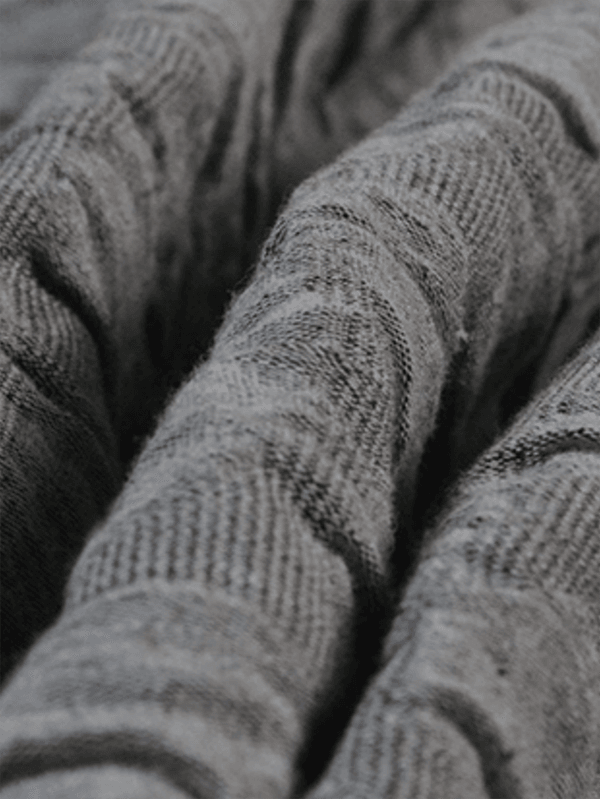
The versatility of 100% cotton jacquard fabric is reflected in the wide range of products it is used to produce across both apparel and home textile markets. Its combination of decorative appeal, natural comfort, and practical durability makes it appropriate for applications that demand both aesthetics and performance.
Home Textiles and Furnishings
Cotton jacquard is extensively used in bedding products including duvet covers, pillow shams, and flat sheets where its soft hand, moisture absorption, and washability are essential. Woven jacquard patterns in bedding add visual interest without the need for printed designs that fade with repeated laundering. Tablecloths and napkins in cotton damask — a classic reversible jacquard — are standard in formal dining settings precisely because they launder well, hold crisp ironed finishes, and maintain their pattern definition indefinitely. Upholstery-weight cotton jacquard is used for cushion covers, draperies, and decorative pillows where the textured surface creates visual depth and tactile interest.
Apparel and Fashion
In apparel, cotton jacquard is used across a range of categories from casual to formal. Lightweight cotton jacquard shirting fabrics with subtle dobby or geometric patterns offer a more refined appearance than plain-weave shirting while maintaining the breathability and washability that make cotton shirts practical for everyday wear. Heavier cotton jacquard is used in structured blazers, skirts, and pants where the woven texture provides visual interest and body without requiring interfacing. Sportswear and activewear brands also use cotton jacquard for training tops and shorts where a structured pattern texture is desired alongside cotton's moisture management properties.
Towels and Bathrobes
Terry jacquard towels represent one of the most technically sophisticated uses of cotton jacquard technology. By combining terry looping — which creates the absorbent pile structure — with jacquard pattern control, manufacturers can produce towels with decorative woven motifs integrated directly into the terry surface. Luxury hotel and spa collections frequently specify cotton terry jacquard for their bathrobes and towels because the woven branding or decorative pattern cannot be removed by laundering, ensuring consistent presentation across thousands of wash cycles.
Choosing Between Cotton and Wool: A Practical Decision Guide
The choice between cotton and wool ultimately depends on the specific demands of the end use rather than a universal quality judgment — both are exceptional fibers within their respective performance envelopes. The following practical guidelines can help narrow the decision:
- Choose wool for cold-weather outerwear, base layers in high-activity outdoor sports, formal suiting, and any application where shape retention and wrinkle resistance are critical.
- Choose cotton for warm-weather clothing, bedding, towels, children's textiles, and any application where easy laundering and hypoallergenic properties are required.
- Choose 100% cotton jacquard specifically when you need the decorative richness of a woven pattern combined with cotton's practical benefits — particularly for home furnishings, formal table linen, and fashion apparel that requires repeated washing without pattern degradation.
- If skin sensitivity is a concern, cotton and fine Merino wool (under 18.5 microns) are both suitable options, but standard wool may cause irritation for sensitive individuals and should be evaluated against skin before committing to close-contact garments.
- For sustainability-conscious sourcing, both fibers have natural biodegradability advantages over synthetic alternatives, but certifications such as GOTS (Global Organic Textile Standard) for cotton and RWS (Responsible Wool Standard) for wool provide third-party verification of environmental and ethical sourcing practices.
Both cotton and wool have earned their place at the foundation of the global textile industry through centuries of practical use and continuous refinement. Where they differ is in their performance envelope — and matching fiber to function is the single most important decision in fabric selection. For decorative, high-use applications that demand beauty, comfort, and durability in equal measure, 100% cotton jacquard fabric represents one of the most well-rounded choices available in the natural fiber category.