 English
 中文简体
中文简体 Español
 عربى
عربىNews
Home / News / Industry News / How Is 100% Polyester Jacquard Fabric Made and Why Does the Process Matter?

Bedding Fabric Guide: Cotton, Polyester, and Blended Options for Buyers
Sep 08,2026
How Do You Choose the Right Sofa Upholstery Fabric?
Sep 01,2026
How Do You Choose the Right Sofa Upholstery Fabric for Your Home?
Aug 25,2026
How Do You Choose the Right Curtain Fabric for Every Room?
Aug 19,2026
Which Bedding Fabric Is Actually Right for Your Sleep and Climate?
Aug 11,2026Content
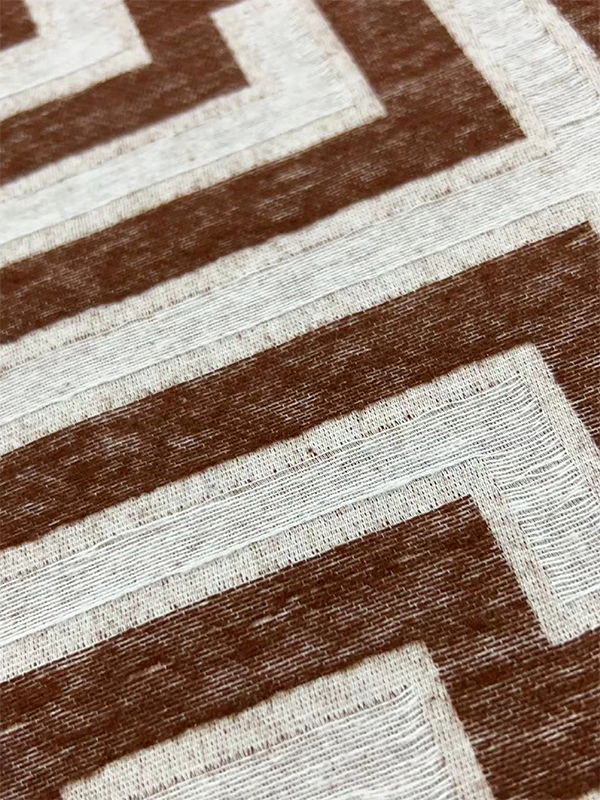
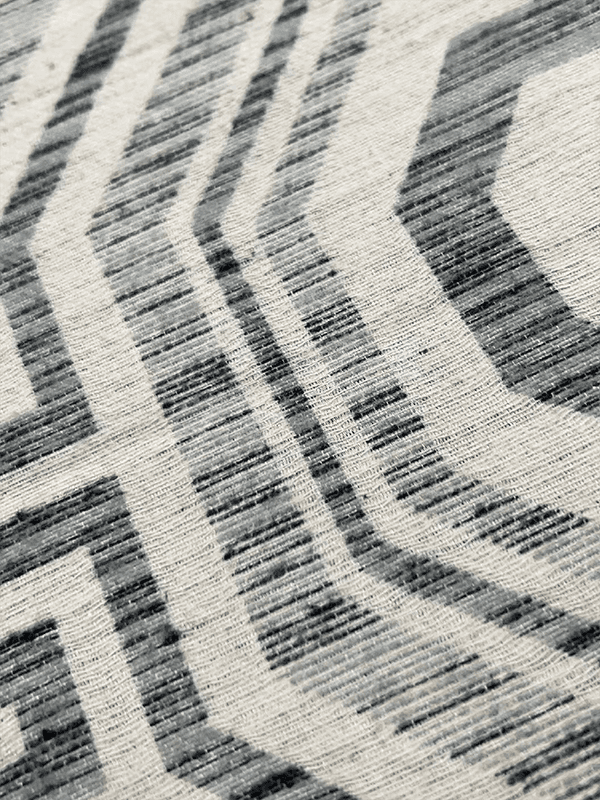
100% polyester jacquard fabric is a structurally complex woven textile in which patterns are formed directly through the interlacing of yarns during the weaving process. Unlike printed or embroidered fabrics, the design in jacquard is embedded into the cloth itself, created by independently controlling each warp thread on a Jacquard loom. This level of control allows for highly detailed motifs — including florals, damasks, geometric grids, and abstract textures — to be produced with clean definition and without any risk of the pattern wearing off over time.
The base fiber in this fabric type is 100% polyester, a synthetic polymer known for its exceptional dimensional stability, resistance to environmental stressors, and relatively low production cost. The combination of Jacquard weaving technology with polyester yarn produces a textile that delivers both visual sophistication and practical performance — a balance that has made it one of the most widely used fabric categories in both the home furnishings and fashion industries worldwide.
Polyester jacquard fabrics are typically produced on computerized Jacquard looms, which use digital punch-card equivalents to precisely control thousands of individual warp threads simultaneously. This automation not only enables extreme pattern complexity but also ensures consistency across large production runs — a critical requirement for manufacturers supplying bulk quantities to retailers, interior designers, or garment producers.
Producing 100% polyester jacquard fabric involves several distinct stages, each of which influences the final quality, hand feel, and visual character of the textile. Understanding this process helps buyers and designers make better-informed sourcing decisions.
The process begins with the selection and preparation of polyester yarns. Depending on the intended end use, manufacturers may use filament yarns (smooth, continuous strands that produce a silky, lustrous surface) or textured yarns (crimped or bulked filaments that create a softer, more matte appearance). For upholstery-grade jacquard, high-tenacity polyester yarns are often selected to maximize durability and abrasion resistance. Yarns may also be solution-dyed at this stage — a process where color is introduced directly into the polymer melt before extrusion — resulting in superior colorfastness compared to piece-dyeing methods.
Once the yarns are prepared, the warp threads are wound onto a beam and mounted on the Jacquard loom. The loom's electronic control system is programmed with the pattern data, which determines which warp threads are raised or lowered at each pass of the weft. This setup phase is technically demanding and time-consuming, which is why jacquard fabrics generally have higher minimum order quantities and setup costs compared to simpler woven fabrics. However, once the loom is configured, it can produce the pattern repeatedly and consistently at high speed.
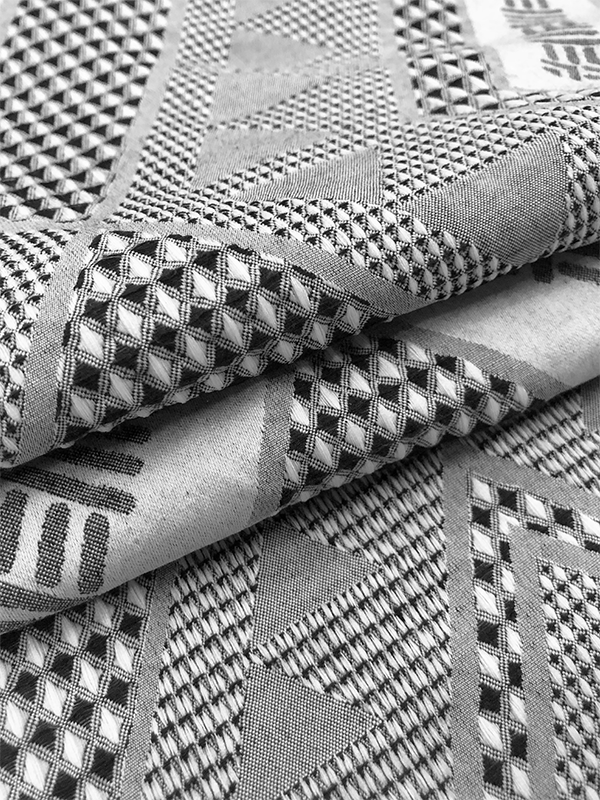
During weaving, the weft yarn is passed through the raised warp threads using a shuttle or rapier mechanism. The Jacquard control system raises and lowers individual warp threads according to the programmed pattern on each pick (each pass of the weft). This creates zones of different weave structures within the same fabric — for example, a satin weave in one area and a twill weave in another — which produces the characteristic raised, textured appearance of jacquard patterns. The contrast between these micro-weave zones creates visual depth and dimension that cannot be replicated by printing alone.
After weaving, the greige (unfinished) fabric undergoes a series of finishing processes that affect its final hand, appearance, and performance. Common finishing steps for polyester jacquard include heat-setting (which stabilizes the fabric dimensions and enhances smoothness), dyeing or printing (if not solution-dyed), calendering (passing through heated rollers for a flatter, shinier surface), and functional treatments such as water repellency, flame retardancy, or anti-pilling coatings. Each finishing step is carefully controlled to ensure the fabric meets the quality standards required for its intended application.
100% polyester jacquard fabric competes with a range of other decorative and structural textiles. Its performance profile gives it distinct advantages in many use scenarios, particularly where durability, consistency, and cost-efficiency are prioritized.
| Property | Polyester Jacquard | Cotton Jacquard | Silk Jacquard | Printed Polyester |
| Pattern Durability | Excellent | Excellent | Excellent | Poor–Moderate |
| Abrasion Resistance | Very High | Moderate | Low | High |
| Wrinkle Resistance | Excellent | Poor | Moderate | Excellent |
| Colorfastness | Very High | Moderate | Moderate | Moderate–High |
| Cost Efficiency | High | Moderate | Low | Very High |
| Breathability | Low | High | High | Low |
The practical and aesthetic properties of 100% polyester jacquard make it an appropriate material across a diverse range of applications. Its usage spans consumer goods, commercial interiors, and industrial textiles.
The home textiles sector is the single largest application area for polyester jacquard fabric. It is extensively used in upholstery for sofas, armchairs, headboards, and dining chairs, where its high abrasion resistance (measured using Martindale or Wyzenbeek rub counts) ensures a long service life even under daily use. In drapery applications, the fabric's natural body and weight allow curtain panels to hang well without the need for additional stiffening. Decorative cushion covers, bed runners, and bedding sets also commonly use polyester jacquard for its combination of visual appeal and easy-care properties.
In the fashion industry, polyester jacquard is used primarily in structured garments where the fabric's body and texture contribute to the design silhouette. Blazers, skirts, evening gowns, and occasion wear are common applications. The fabric's ability to hold its shape without ironing makes it particularly practical for garments that are worn infrequently and stored between uses. Designers working in the mid-to-premium segment often choose polyester jacquard as a cost-effective alternative to silk jacquard, achieving a similarly luxurious appearance at a fraction of the price.
The structural stiffness and pattern definition of polyester jacquard make it well-suited for bags, wallets, and small accessories. Tote bags, clutch bags, cosmetic pouches, and gift bags produced from jacquard fabric have a premium appearance while remaining lightweight and durable. In the gift packaging and retail sector, jacquard fabric ribbons and fabric-wrapped boxes are increasingly used as sustainable alternatives to plastic-based packaging, leveraging the material's visual richness to add perceived value to the product presentation.
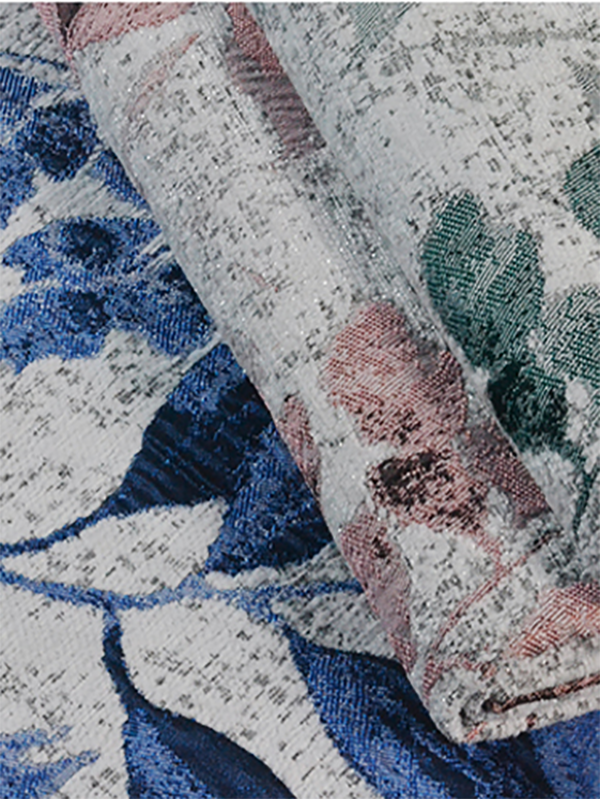
Hotels, restaurants, theaters, and event venues represent a significant market for heavy-duty polyester jacquard fabric. Seat covers for banquet chairs, booth upholstery, decorative wall panels, and room drapery all benefit from the material's durability, ease of cleaning, and resistance to fading under artificial lighting. Contract-grade polyester jacquard fabrics are typically specified with additional performance certifications, including fire retardancy ratings such as NFPA 701 or BS 5867, to comply with commercial building regulations.
Whether sourcing polyester jacquard for personal projects or large-scale commercial production, there are several key criteria to evaluate before placing an order. Getting these details right upfront prevents costly errors and ensures the finished product meets expectations.
Proper care significantly extends the usable life of 100% polyester jacquard fabric products and preserves their visual quality over time. While polyester is inherently low-maintenance compared to natural fibers, following specific care guidelines ensures the woven pattern and surface finish remain intact through repeated use and laundering.
Is 100% Polyester Bedding Fabric the Right Choice for Your Bedroom?
2026-05-07
Which Bedding Fabric Is Actually Worth Your Money?
2026-05-19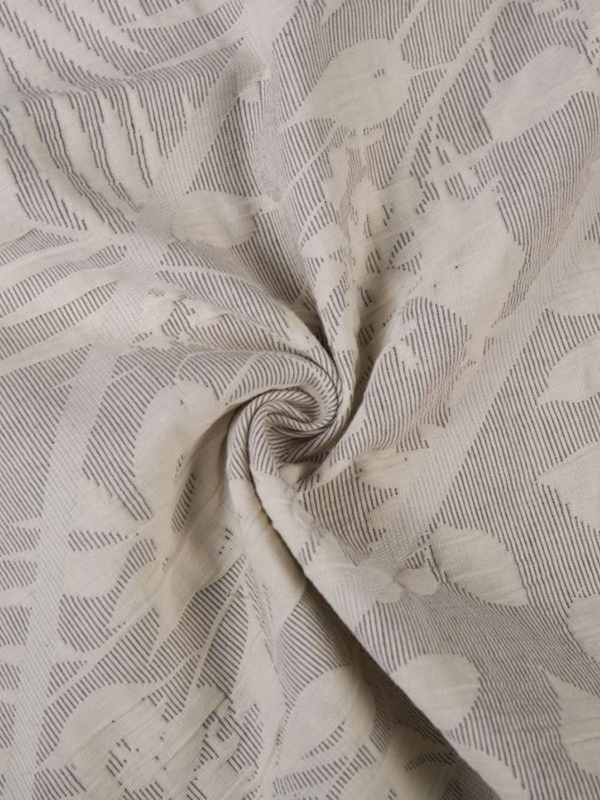
Your email address will not be published. Required fields are marked *
 Phone: +86-13362131543
 E-mail: [email protected]
E-mail: [email protected]
 Address: No 3 Zhongyuan RD.,Shenshi Lianmeng Industrial Zone,Xucun Town,Haining,Zhejiang,China
Copyright © Zhejiang OSD Textile Co., Ltd. All Rights Reserved.
