 English
 中文简体
中文简体 Español
 عربى
عربىNews
Home / News / Industry News / What Makes Cotton Home Textile Fabrics More Comfortable Than Polyester or Blended Fabrics?

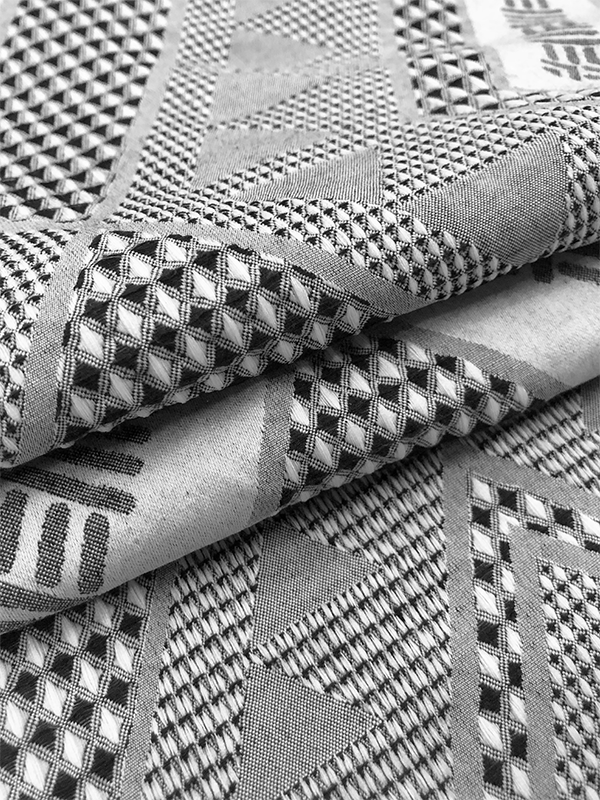
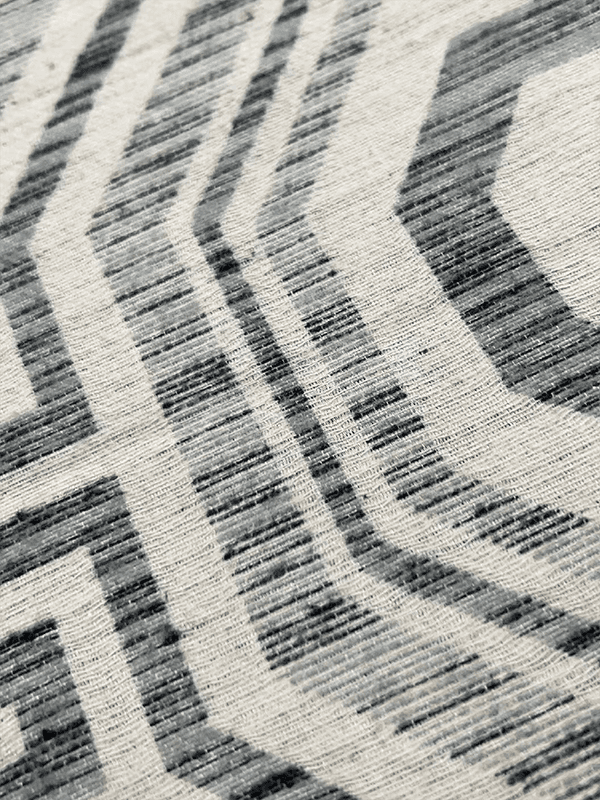
Black and White Diamond Patterned Bedding Fabric | Custom Waffle Weave
Sep 29,2026
Cotton and Polyester Fabric: A Complete Guide to Blends, Benefits, and Care
Sep 21,2026
Bedding Fabric Explained: Cotton, Polyester & Blends for Buyers and Manufacturers
Sep 15,2026
Bedding Fabric Guide: Cotton, Polyester, and Blended Options for Buyers
Sep 08,2026
How Do You Choose the Right Sofa Upholstery Fabric?
Sep 01,2026Content
Cotton home textile fabrics have been a staple in households for centuries due to their natural softness, breathability, and comfort. Unlike synthetic fabrics like polyester or blended textiles, cotton provides superior moisture absorption, temperature regulation, and skin-friendly properties. This article explores the key factors that make cotton fabrics more comfortable, durable, and suitable for various home textile applications, including bedding, curtains, and upholstery.
One of the primary reasons cotton fabrics are favored in home textiles is their natural softness. Cotton fibers are smooth, flexible, and gentle on the skin, making them ideal for products that come into direct contact with the body, such as bed sheets, pillowcases, and blankets.
Polyester fibers are synthetic and tend to be coarser or less breathable, which can cause discomfort during extended use. Cotton’s natural fiber structure allows for a softer texture, reducing friction against the skin. This softness enhances sleep quality and makes cotton fabrics more pleasant for daily home use.
Cotton fabrics are hypoallergenic and less likely to cause skin irritation or allergies. For families with sensitive skin or children, cotton textiles provide a safe and comfortable choice, unlike some synthetic blends that may trigger reactions due to chemical finishes or low breathability.
Another factor that contributes to cotton’s comfort is its excellent breathability. Cotton fibers allow air to circulate freely, which helps regulate body temperature and wick away moisture. This property is particularly beneficial in bedding and home textiles that are used throughout the year.
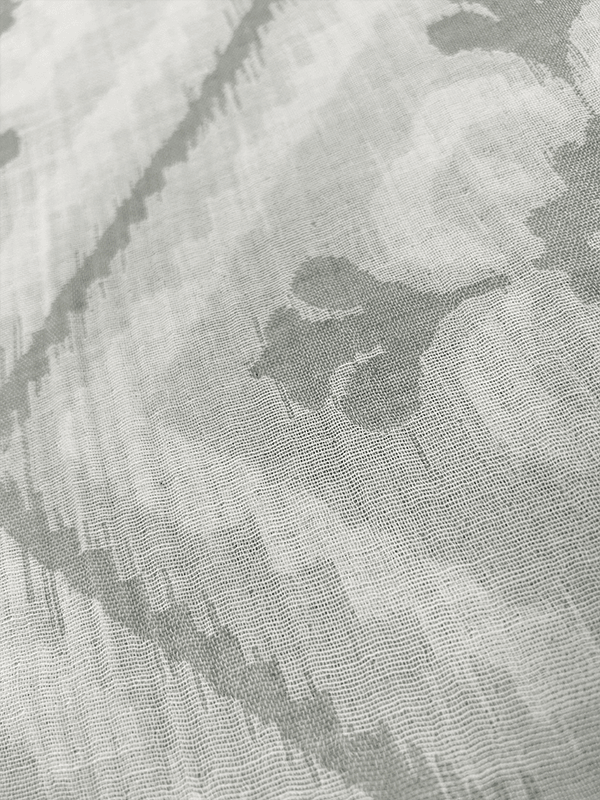
Cotton can absorb up to 27 times its weight in water, making it effective at keeping the skin dry and comfortable. This moisture-wicking property helps reduce sweat accumulation, preventing discomfort and maintaining a cool feel in warm climates.
Polyester fibers are less absorbent and tend to trap heat, which can lead to a sweaty or sticky sensation. Blended fabrics attempt to combine natural and synthetic fibers, but they often sacrifice breathability and moisture management compared to 100% cotton fabrics. The table below summarizes these differences.
| Feature | Cotton | Polyester | Blended (Cotton-Polyester) |
| Softness | High, natural fiber | Moderate, synthetic | Moderate to high |
| Breathability | Excellent | Poor | Moderate |
| Moisture Absorption | High | Low | Moderate |
| Durability | Good, can shrink if not prewashed | High, resistant to wear | High, balance of both fibers |
| Comfort for Skin | Excellent | Moderate | Moderate to good |
Cotton’s natural fibers allow heat to escape, keeping users cool in summer and retaining warmth in cooler weather. Polyester, by contrast, tends to trap heat and does not provide the same level of comfort across varying temperatures. Blended fabrics attempt to balance thermal properties, but pure cotton remains superior in natural temperature regulation.
Cotton fabrics are durable, especially high-thread-count options, and can withstand repeated washing. While polyester may last longer without shrinkage, it lacks breathability and comfort. Blended fabrics often inherit characteristics from both fibers, offering compromise solutions that balance durability and comfort.
Cotton is a renewable natural fiber, biodegradable, and generally has a lower environmental impact than synthetic fabrics. Organic cotton home textiles further reduce chemical use, making them a more sustainable and comfortable choice for environmentally-conscious households.
Cotton home textile fabrics outperform polyester and blended fabrics in comfort due to their natural softness, excellent breathability, moisture absorption, and temperature regulation. While synthetic and blended fabrics offer durability and cost advantages, cotton provides unmatched skin comfort and a healthier, more sustainable option for bedding, curtains, and home furnishings. Selecting high-quality cotton fabrics ensures a more comfortable and enjoyable living environment for daily use.
What Are the Benefits of Using Leather vs. Fabric Sofa Upholstery?
2025-11-24
How to Choose Sofa Fabric That Lasts and Resists Stains and Wear?
2025-12-10
Your email address will not be published. Required fields are marked *
 Phone: +86-13362131543
 E-mail: [email protected]
E-mail: [email protected]
 Address: No 3 Zhongyuan RD.,Shenshi Lianmeng Industrial Zone,Xucun Town,Haining,Zhejiang,China
Copyright © Zhejiang OSD Textile Co., Ltd. All Rights Reserved.
