 English
 中文简体
中文简体 Español
 عربى
عربىNews
Home / News / Industry News / What Makes Sofa Fabric the Heart of Comfort and Style in Modern Living Spaces?

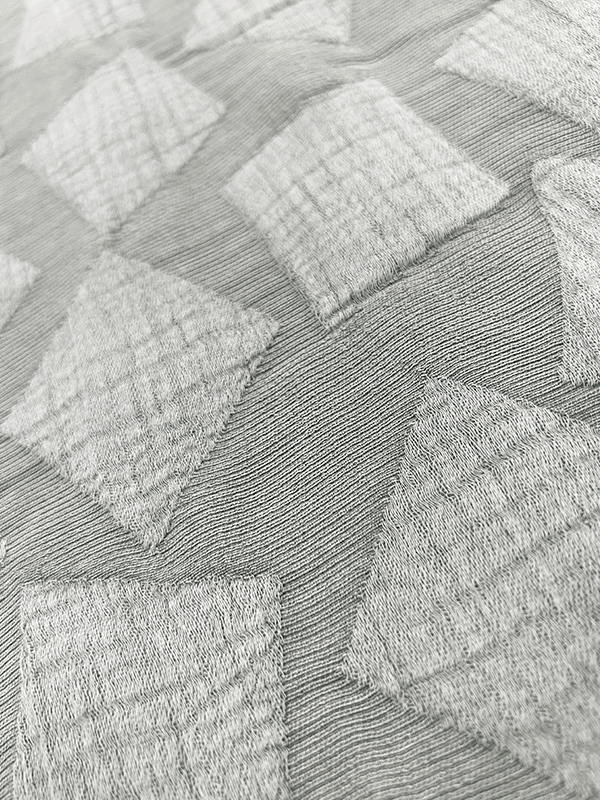
Cotton and Polyester Fabric: A Complete Guide to Blends, Benefits, and Care
Sep 21,2026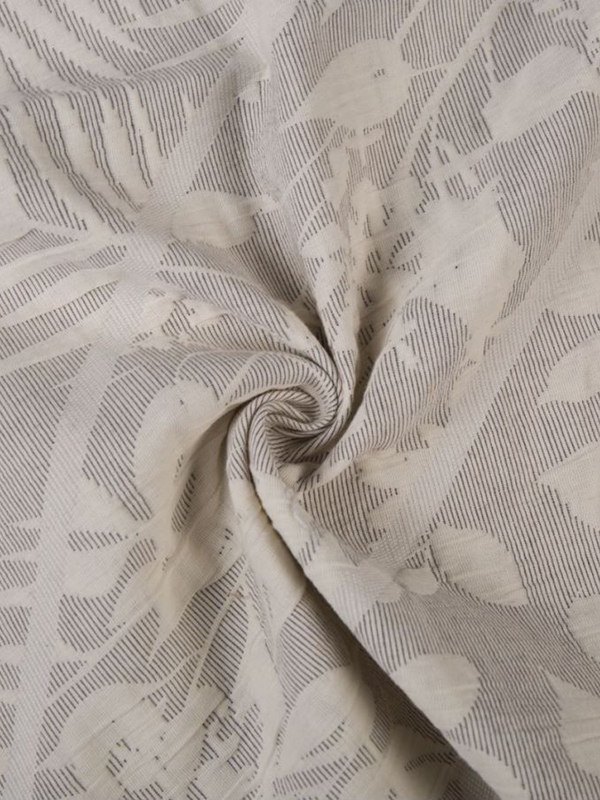
Bedding Fabric Explained: Cotton, Polyester & Blends for Buyers and Manufacturers
Sep 15,2026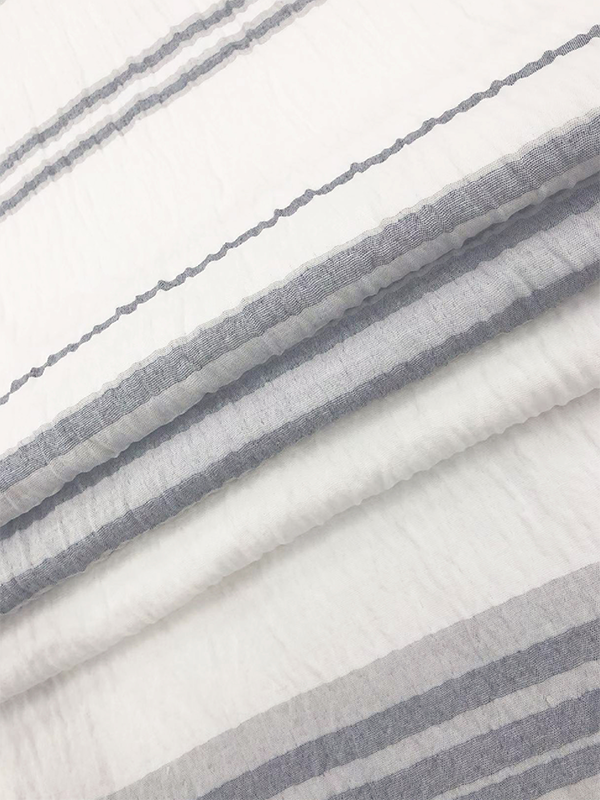
Bedding Fabric Guide: Cotton, Polyester, and Blended Options for Buyers
Sep 08,2026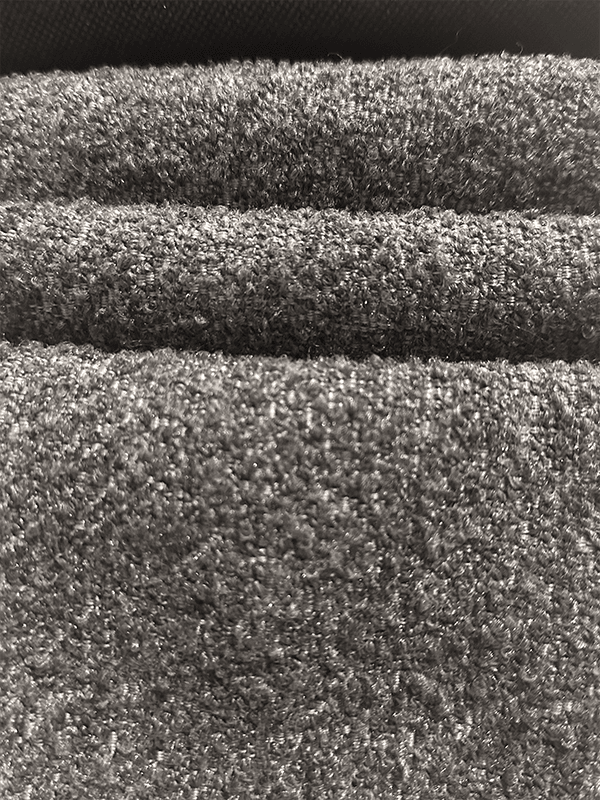
How Do You Choose the Right Sofa Upholstery Fabric?
Sep 01,2026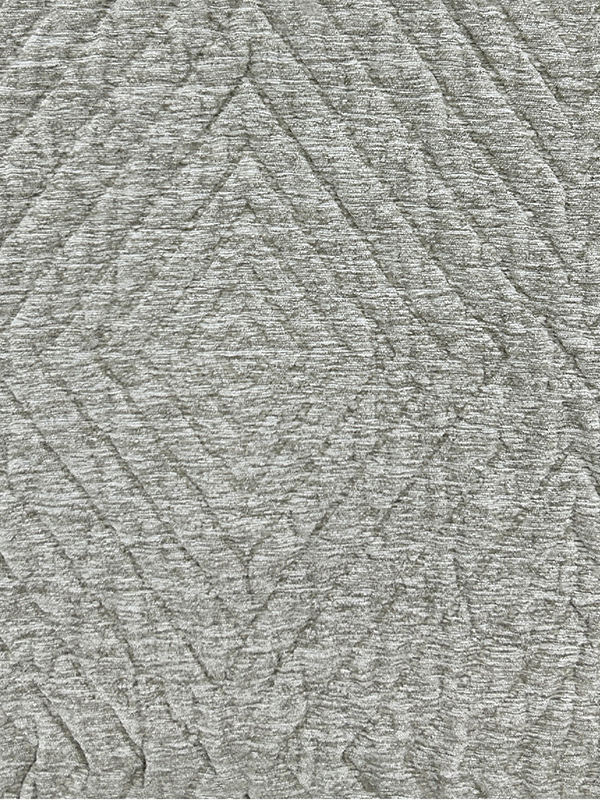
How Do You Choose the Right Sofa Upholstery Fabric for Your Home?
Aug 25,2026Content
When you step into a beautifully decorated living room, the first thing that often catches your eye is the sofa — a centerpiece that defines both comfort and aesthetic appeal. But what truly determines a sofa’s look, feel, and durability? The answer lies in its fabric. The choice of sofa fabric goes far beyond color or texture; it influences how the sofa performs over time, how easy it is to maintain, and how well it complements your lifestyle.
So, what makes sofa fabric so important, and how can the right material transform an ordinary piece of furniture into a stylish, long-lasting investment? Let’s explore the fascinating world of sofa fabrics, their types, characteristics, and the key factors that make them essential in modern interior design.
Sofa fabric refers to the material used to upholster sofas, couches, sectionals, and other seating furniture. It acts as both a functional layer — providing comfort and protection — and an aesthetic layer — contributing to the sofa’s visual appeal.
Sofa fabrics can be made from natural fibers, synthetic fibers, or a blend of both. Each type offers unique advantages in terms of durability, feel, and appearance. Depending on the intended use, manufacturers select fabrics that balance softness, strength, stain resistance, and ease of cleaning.
In short, sofa fabric is the foundation that determines how a sofa looks, feels, and lasts.
The fabric is not just a decorative layer; it plays multiple vital roles:
Choosing the right sofa fabric is therefore a balance between beauty and practicality.
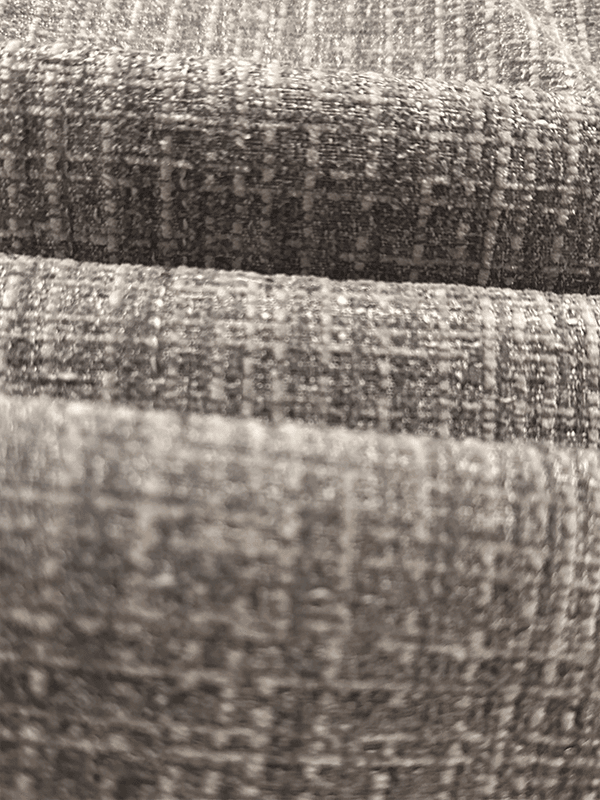
There are numerous kinds of sofa fabrics available today, each with distinctive textures, properties, and price ranges. Let’s look at the most popular ones.
Each of these fabrics offers distinct characteristics that can suit different lifestyles and design preferences.
Selecting the right sofa fabric depends on a few key factors:
If the sofa will see heavy use — such as in a family room — choose a durable material like microfiber, polyester, or leather. Look for a high Martindale rub count (above 20,000 cycles) for longer lifespan.
Consider how easy it is to clean. Removable, washable covers or stain-resistant fabrics can save time and effort.
The tactile quality of the fabric affects comfort. Cotton and velvet provide softness, while leather offers coolness and smoothness.
The color should complement your interior design. Neutral tones like gray or beige are timeless, while bold hues make a statement.
In hot and humid climates, breathable fabrics like cotton and linen work best; for colder regions, velvet or wool blends offer warmth.
Prices vary widely, from affordable synthetic fabrics to luxury options like Italian leather or silk blends. Balance aesthetics and practicality according to your budget.
In recent years, the furniture industry has seen a growing demand for performance fabrics — materials engineered to resist stains, spills, and fading. These fabrics often feature nanotechnology coatings or woven-in protection, making them ideal for modern households.
Popular performance fabrics include:
At the same time, there’s a shift toward eco-friendly and sustainable materials. Manufacturers are using recycled polyester, organic cotton, and natural dyes to reduce environmental impact. Some brands even offer vegan leather alternatives made from plant-based sources like pineapple leaves or cork.
The process of making sofa fabric involves several technical steps to ensure quality, durability, and visual appeal:
This combination of craftsmanship and technology ensures that sofa fabrics can endure daily wear while maintaining beauty.
A sofa’s fabric can completely transform the look and mood of a room. Interior designers often treat sofa fabric as a key visual anchor for the entire space. Here’s how:
Thus, choosing sofa fabric is not only a practical decision but also a creative expression of your taste and lifestyle.
Even the best sofa fabric requires proper care to maintain its beauty and longevity. Here are some expert tips:
With these habits, your sofa can remain fresh, clean, and stylish for years.
The future of sofa fabrics lies in innovation and sustainability. Here are some exciting trends shaping the industry:
These advancements reflect a growing awareness of comfort, design, and environmental responsibility.
So, what makes sofa fabric the heart of comfort and style?
It’s the fusion of aesthetics, performance, and personal expression. The right fabric doesn’t just cover a sofa — it defines how the furniture feels, functions, and fits into your life.
From natural cottons to high-tech performance textiles, every fabric has its story. Whether you’re designing a cozy home lounge, a luxury penthouse, or a family-friendly living space, your choice of sofa fabric will shape not just the furniture, but the atmosphere itself.
In the end, a sofa’s true beauty lies not only in its design, but in the touch, comfort, and personality of its fabric — the very element that turns a simple seat into a sanctuary of relaxation and style.
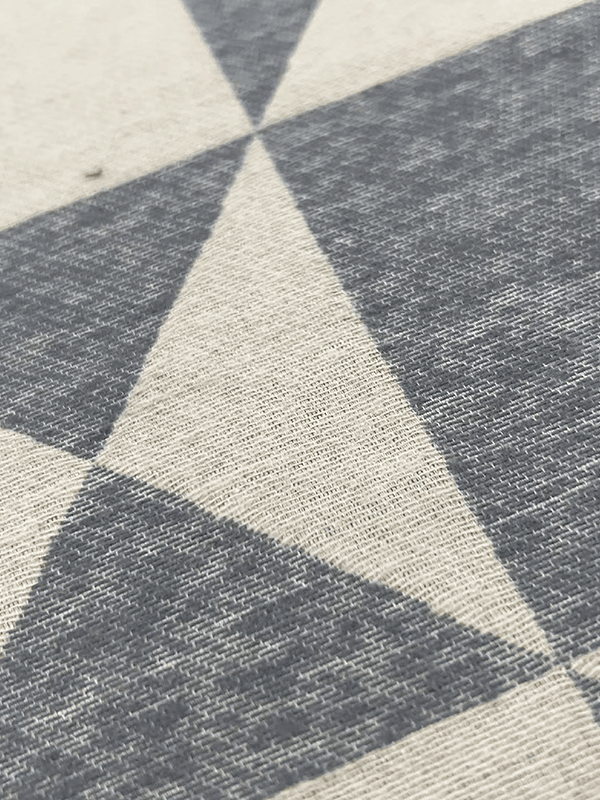
Cotton Jacquard Fabric: Combining Elegance, Durability, and Versatility
2025-10-20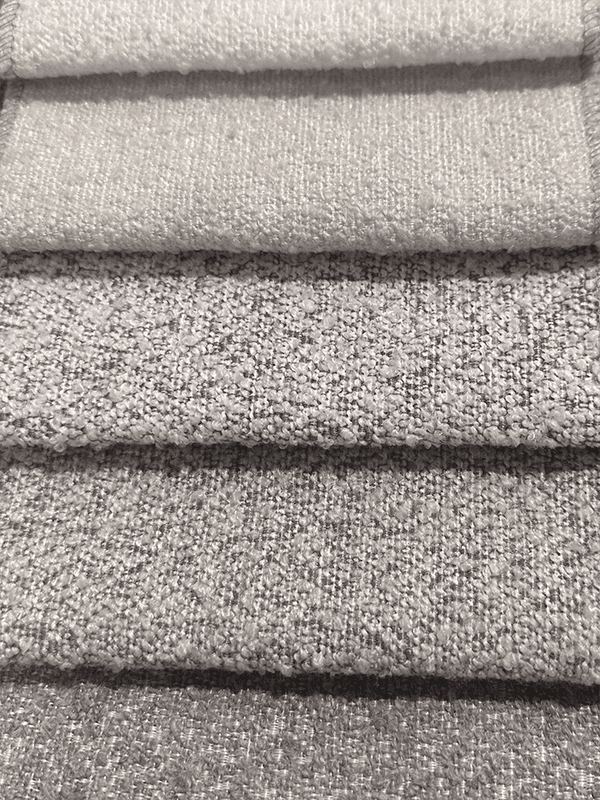
What Makes Circle Yarn Sofa Fabric a Durable Choice for Upholstery?
2025-11-05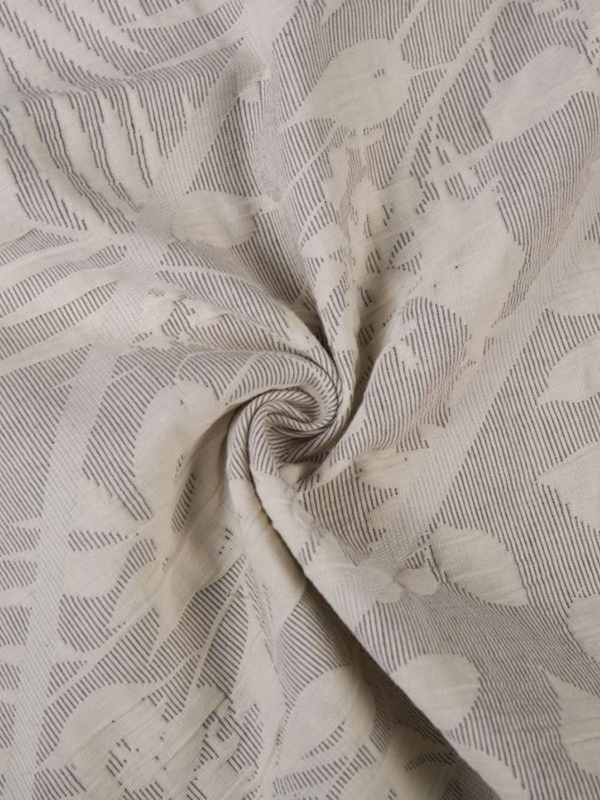
Your email address will not be published. Required fields are marked *
 Phone: +86-13362131543
 E-mail: [email protected]
E-mail: [email protected]
 Address: No 3 Zhongyuan RD.,Shenshi Lianmeng Industrial Zone,Xucun Town,Haining,Zhejiang,China
Copyright © Zhejiang OSD Textile Co., Ltd. All Rights Reserved.
