 English
 中文简体
中文简体 Español
 عربى
عربىNews
Home / News / Industry News / What Should You Know About Home Textile Fabric Before Buying Bedding, Curtains, or Upholstery?

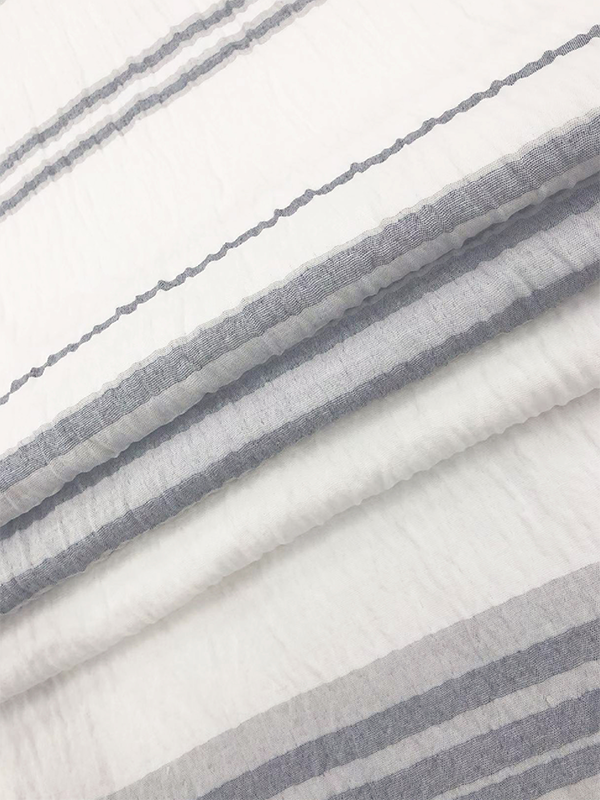
Bedding Fabric Guide: Cotton, Polyester, and Blended Options for Buyers
Sep 08,2026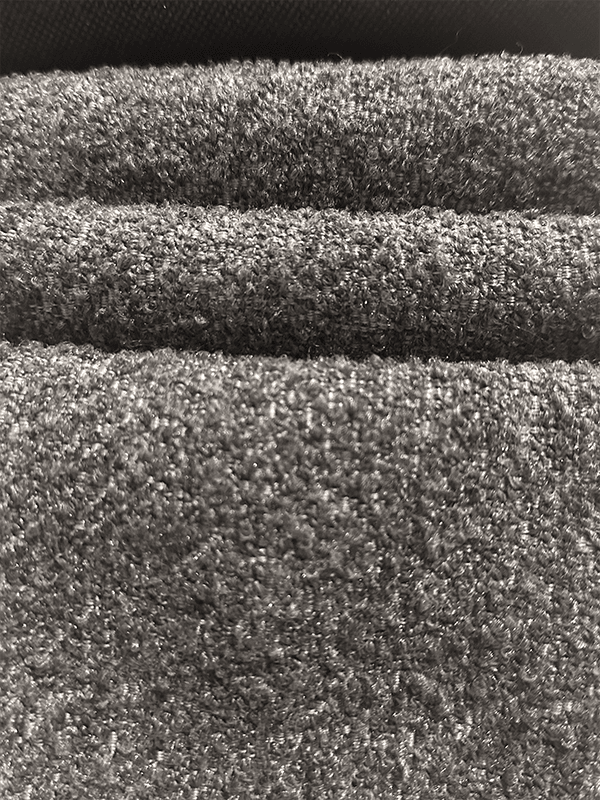
How Do You Choose the Right Sofa Upholstery Fabric?
Sep 01,2026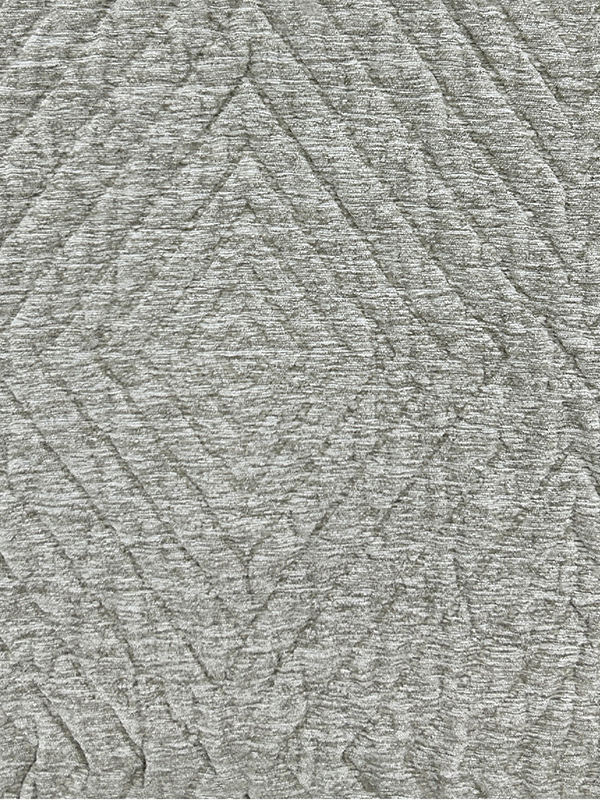
How Do You Choose the Right Sofa Upholstery Fabric for Your Home?
Aug 25,2026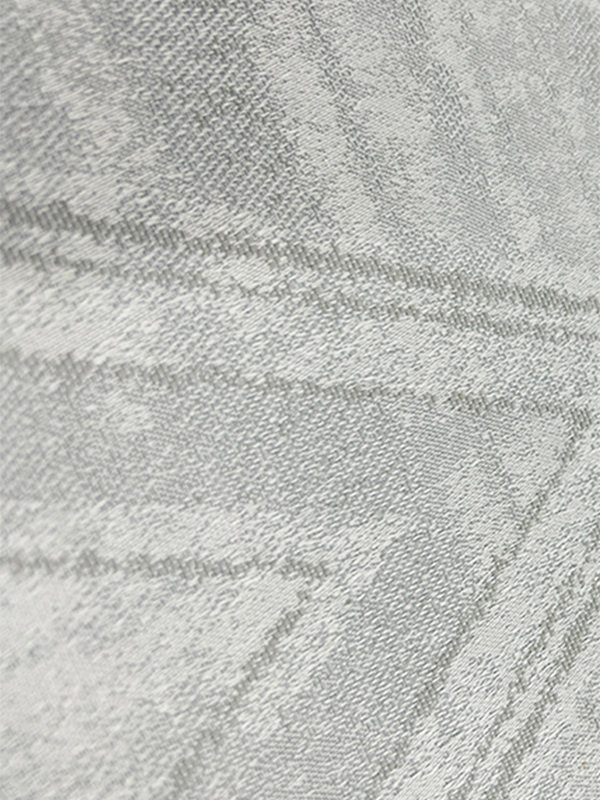
How Do You Choose the Right Curtain Fabric for Every Room?
Aug 19,2026
Which Bedding Fabric Is Actually Right for Your Sleep and Climate?
Aug 11,2026Content
The fabric used in home textiles has a direct and measurable impact on comfort, durability, aesthetics, and even health. Whether you are selecting bedding for a good night's sleep, curtains to control light and privacy, or upholstery fabric for a sofa that will see years of daily use, the material composition determines how the product performs, how long it lasts, and how it feels against your skin. Many consumers focus primarily on color or pattern when shopping for home textiles, overlooking the equally important question of what the fabric is actually made from and how that material behaves under real-world conditions.
Home textile fabric encompasses a broad category of materials used in the interior of living spaces — including bedsheets, duvet covers, pillowcases, towels, curtains, tablecloths, cushion covers, and furniture upholstery. Each application has distinct performance requirements. A bath towel needs to be highly absorbent and soft after repeated washing. A curtain fabric needs to block light effectively or diffuse it gently, depending on the room. An upholstery fabric must resist abrasion, fading, and the accumulated stress of daily seating. Understanding how different fabrics serve these needs gives you a practical framework for making smarter purchasing decisions.
Home textile fabrics are produced from a wide spectrum of natural, synthetic, and blended fibers. Each fiber category brings distinct advantages and limitations, and understanding the basics helps you match the right material to the right application in your home.
Cotton remains the most widely used natural fiber in home textiles globally. It is naturally soft, breathable, hypoallergenic, and highly absorbent — properties that make it the dominant choice for bedding and bath products. Long-staple cotton varieties such as Egyptian cotton and Pima cotton produce finer, stronger, and smoother yarns that translate into premium fabric feel and durability. Cotton fabrics become softer with each wash, making well-maintained cotton bedding more comfortable over time. The primary drawback of cotton is its tendency to wrinkle and its relatively slower drying time compared to synthetic alternatives.
Linen, derived from the flax plant, is one of the oldest textile fibers known to humanity and continues to be valued for its exceptional durability and natural temperature-regulating properties. Linen fabric is naturally moisture-wicking, antibacterial, and becomes increasingly soft and supple with use and washing. Its characteristic textured surface and slightly stiff hand initially give way to a relaxed, comfortable drape over time. Linen is particularly well suited for warm-climate bedding, tablecloths, and curtains where a natural, slightly rustic aesthetic is desired. It does wrinkle easily, but many consumers appreciate this as part of its relaxed, organic character.
Polyester is the most widely produced synthetic fiber and plays a dominant role in home textiles due to its affordability, wrinkle resistance, and dimensional stability. Pure polyester fabrics dry quickly, resist shrinkage, and maintain their color well over repeated washing cycles. However, polyester is not breathable in the same way natural fibers are, and it can trap heat and moisture against the skin — a significant consideration for bedding applications. Cotton-polyester blends address this by combining the breathability of cotton with the crease resistance and durability of polyester, creating fabrics that are easier to care for without fully sacrificing comfort.
Viscose (also known as rayon) and its refined derivative Modal are semi-synthetic fibers produced from processed wood pulp. Both materials have a silky, smooth hand feel and excellent drape, making them popular in bedding, cushion covers, and lightweight curtain fabrics. Modal is notably softer than standard viscose and has better resistance to shrinkage and pilling. These fibers are highly breathable and moisture-absorbent, but they tend to be less durable than cotton or polyester when subjected to heavy mechanical stress, making them better suited for decorative or light-use textile applications rather than heavy-duty upholstery.
Microfiber fabrics are made from ultra-fine synthetic filaments — typically polyester or nylon — with a diameter less than one denier. The result is a fabric that is exceptionally soft, lightweight, and tightly woven, giving it excellent resistance to dust mites and allergens. Microfiber bedding has become increasingly popular as an affordable alternative to high-thread-count cotton, and microfiber cleaning cloths are widely used for household surfaces. For bedding, however, microfiber's lower breathability compared to natural fibers can be a drawback in warmer climates or for hot sleepers.
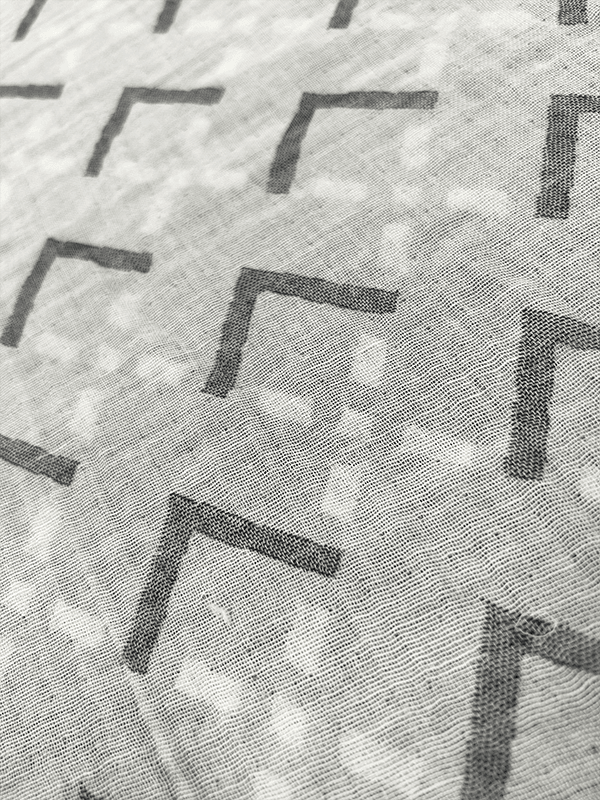
Different areas of the home place different performance demands on textile fabric. Matching the right fabric properties to the right application is the foundation of a practical and durable home textile selection strategy. The following table provides a clear overview of which properties matter most for each major category:
| Application | Most Important Properties | Recommended Fabrics |
| Bedsheets & Pillowcases | Softness, breathability, durability, easy care | Long-staple cotton, linen, cotton-modal blend |
| Towels | Absorbency, softness, fast drying, durability | Turkish cotton, Egyptian cotton, bamboo |
| Curtains & Drapes | Drape, light control, UV resistance, aesthetics | Linen, polyester, cotton-linen blend, velvet |
| Upholstery | Abrasion resistance, colorfastness, stain resistance | Canvas, jacquard, microfiber, performance fabric |
| Tablecloths & Napkins | Washability, stain resistance, crispness | Linen, cotton, cotton-polyester blend |
| Cushion Covers | Aesthetics, texture, moderate durability | Velvet, linen, cotton canvas, jacquard |
Thread count — the number of threads woven per square inch of fabric — is one of the most marketed metrics in bedding textiles, but it is widely misunderstood by consumers. While a higher thread count does generally correlate with finer, denser fabric up to a point, the quality of the fiber used matters far more than the number alone. A 400-thread-count fabric made from long-staple Egyptian cotton will feel significantly superior to an 800-thread-count fabric made from short-staple cotton with multi-ply twisted threads, which are often used artificially to inflate the thread count number without a corresponding improvement in quality.
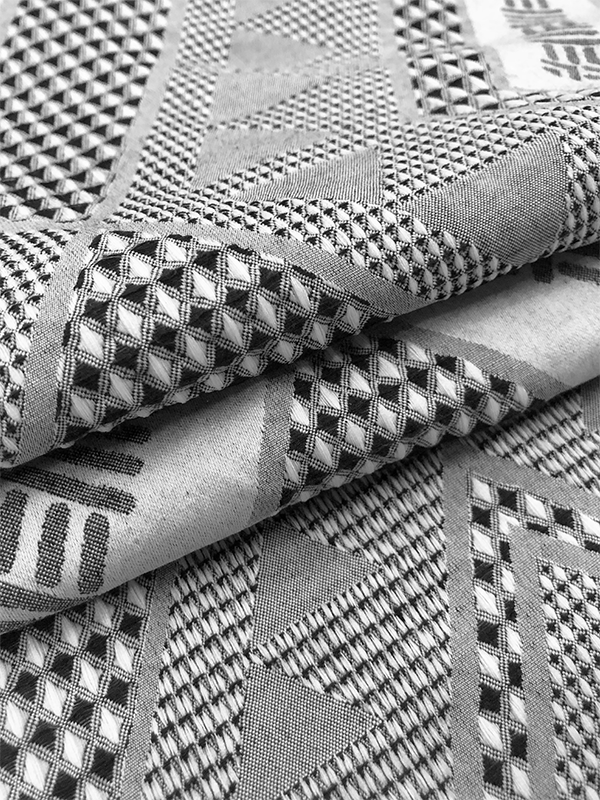
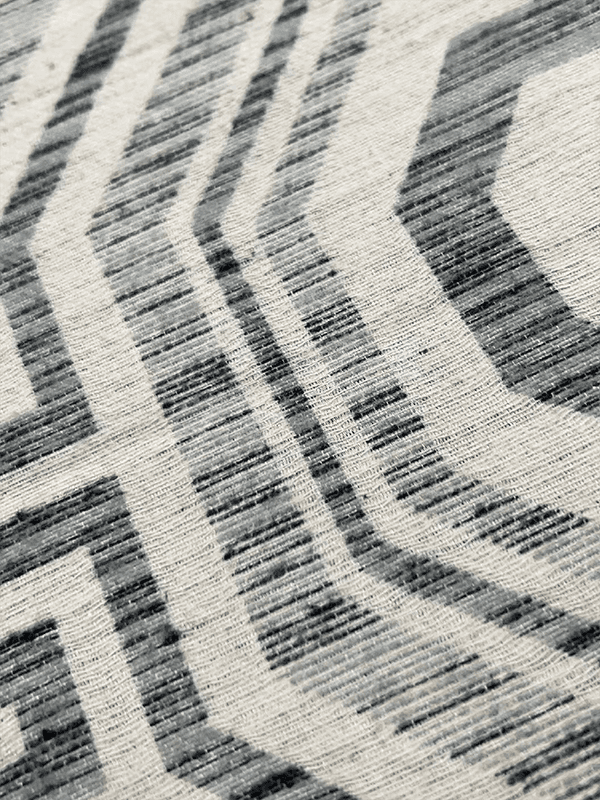
The weave structure is equally important. Percale weave — a simple one-over-one-under plain weave — produces a crisp, cool, matte fabric that is ideal for warm sleepers and summer use. Sateen weave — a four-over-one-under structure that floats more yarn on the surface — creates a smooth, lustrous fabric with a silkier hand feel and a slight sheen, making it popular for a more luxurious aesthetic. Twill weaves, used in flannel and some denim-style home textiles, create diagonal ribbing that adds texture and warmth. Jacquard weaves allow intricate patterns to be woven directly into the fabric structure rather than printed on the surface, resulting in designs that are more durable and visually complex.
Consumer awareness of the environmental impact of textile production has grown significantly in recent years, driving demand for sustainable home textile fabric options. The conventional textile industry is resource-intensive, with cotton cultivation requiring large amounts of water and pesticides, and synthetic fiber production relying on petrochemical processes. Fortunately, a growing range of eco-conscious alternatives is now widely available.
Even the highest-quality home textile fabric will deteriorate prematurely if not cared for properly. Washing temperature, drying method, and storage habits all have a significant cumulative impact on how long a fabric retains its original appearance, softness, and structural integrity.
When evaluating home textile fabric — whether you are purchasing finished products or sourcing fabric by the meter for custom projects — several practical checks help you distinguish quality from marketing claims and make purchases you will be satisfied with long term.
Which Bedding Fabric Is Actually Worth Your Money?
2026-05-19
Which Sofa Fabric Best Fits Your Lifestyle and Home?
2026-06-02
Your email address will not be published. Required fields are marked *
 Phone: +86-13362131543
 E-mail: [email protected]
E-mail: [email protected]
 Address: No 3 Zhongyuan RD.,Shenshi Lianmeng Industrial Zone,Xucun Town,Haining,Zhejiang,China
Copyright © Zhejiang OSD Textile Co., Ltd. All Rights Reserved.
