English
 中文简体
中文简体 Español
 عربى
عربى
Content
- 1 Why Bedding Fabric Matters More Than You Think
- 2 Cotton: The Classic Standard
- 3 Linen: Breathability at Its Best
- 4 Bamboo: The Sustainable Challenger
- 5 Microfiber and Polyester: Budget-Friendly Choices
- 6 Comparing Bedding Fabrics at a Glance
- 7 How to Choose the Right Bedding Fabric for Your Needs
- 8 Understanding Weave Types
- 9 Care Tips to Extend the Life of Your Bedding Fabric
- 10 Final Thoughts on Choosing Bedding Fabric
Why Bedding Fabric Matters More Than You Think
Most people spend a third of their lives in bed, yet many give little thought to what their sheets and covers are actually made of. The fabric used in bedding doesn't just determine how soft something feels on first touch — it affects temperature regulation, moisture absorption, durability, and even skin health. Choosing the right bedding fabric can mean the difference between waking up refreshed or sweaty and uncomfortable. Understanding the core properties of common bedding materials is the first step toward making a purchase that genuinely improves your sleep quality.
Cotton: The Classic Standard
Cotton remains the most widely used bedding fabric worldwide, and for good reason. It is breathable, durable, easy to wash, and relatively affordable. However, not all cotton is created equal. The quality of cotton bedding varies significantly depending on the type of cotton, thread count, and weave construction.
Types of Cotton Fabric
- Egyptian Cotton: Grown along the Nile River, this cotton features extra-long staple fibers that produce exceptionally soft, strong, and lustrous fabric. It gets softer with every wash and is considered the premium choice for luxury bedding.
- Pima Cotton: Also known as Supima when grown in the USA, Pima cotton shares many qualities with Egyptian cotton. It offers a silky feel and excellent durability at a slightly lower price point.
- Upland Cotton: The most common variety, used in standard everyday bedding. It is affordable and widely available but tends to feel rougher and pill more quickly over time.
Thread count is often marketed as the key indicator of quality, but this is only part of the story. A thread count between 200 and 400 in a quality cotton fabric typically offers the best balance of softness, breathability, and longevity. Extremely high thread counts (above 800) are often achieved by twisting multiple thinner threads together, which can reduce airflow and feel heavier rather than softer.
Linen: Breathability at Its Best
Linen is made from flax plant fibers and has been used in bedding for thousands of years. It is particularly popular in warm or humid climates due to its exceptional breathability and moisture-wicking properties. Linen absorbs up to 20% of its weight in moisture before feeling damp, making it ideal for hot sleepers.
One of linen's defining characteristics is its texture — it starts out slightly rough and stiff but becomes noticeably softer and more supple after repeated washing. This means linen bedding is a long-term investment that improves significantly over time. It is also naturally hypoallergenic and resistant to bacteria, which makes it a sound choice for people with sensitive skin or allergies.
The main drawbacks of linen are its higher cost compared to standard cotton and its tendency to wrinkle easily. However, the casual, lived-in look of linen is increasingly embraced as part of its aesthetic appeal rather than considered a flaw.
Bamboo: The Sustainable Challenger
Bamboo fabric has grown considerably in popularity over the past decade, largely because of its eco-friendly reputation and remarkably soft texture. Bamboo is a fast-growing plant that requires no pesticides and minimal water, making it one of the more sustainable raw materials available for textile production.
There are two primary types of bamboo fabric used in bedding: bamboo viscose (also called bamboo rayon) and bamboo lyocell. Bamboo viscose is the more common of the two and is produced through a chemical process that transforms bamboo pulp into soft fibers. Bamboo lyocell is processed in a closed-loop system that recycles water and solvents, making it a more environmentally responsible option.
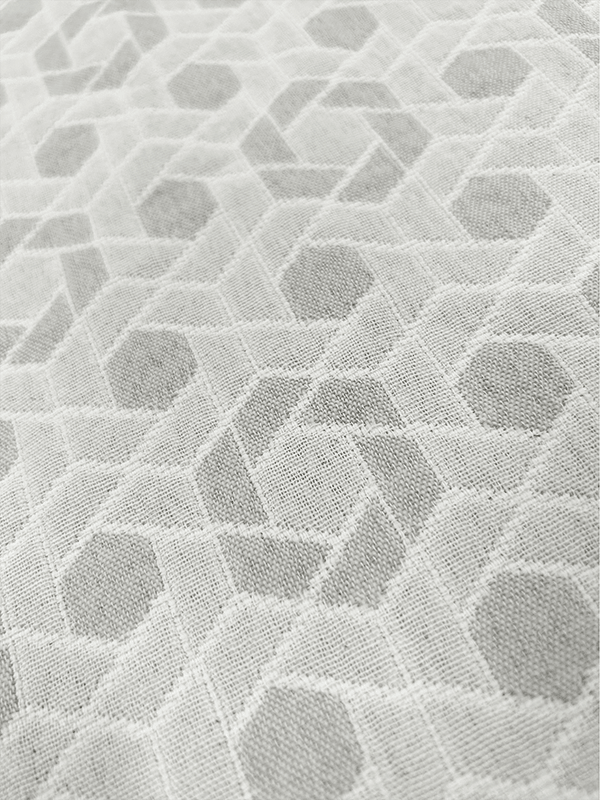
Bamboo bedding is praised for its silky softness, moisture-wicking ability, and natural temperature regulation. It tends to feel cool to the touch, which makes it another strong choice for warm sleepers. However, buyers should look for certifications such as OEKO-TEX or USDA Organic to ensure the fabric has been processed without harmful chemicals.
Microfiber and Polyester: Budget-Friendly Choices
Microfiber and polyester fabrics are synthetic options commonly found at the more affordable end of the bedding market. Microfiber is made from extremely fine synthetic fibers — typically polyester — woven tightly together to create a smooth, lightweight, and wrinkle-resistant sheet.
These fabrics are easy to care for, resistant to staining, and hold their color well over time. They are a popular choice for children's bedding or for people who want low-maintenance options. However, synthetic fabrics generally do not breathe as well as natural alternatives. They can trap heat and moisture, leading to discomfort during warmer nights. People who sleep hot or who have sensitive skin may find synthetic bedding less comfortable than natural fiber options.
Comparing Bedding Fabrics at a Glance
The table below provides a quick comparison of the most common bedding fabric types based on key performance factors:
| Fabric | Breathability | Softness | Durability | Cost |
| Egyptian Cotton | High | Very High | High | High |
| Linen | Very High | Medium (improves over time) | Very High | High |
| Bamboo | High | High | Medium | Medium–High |
| Upland Cotton | Medium–High | Medium | Medium | Low–Medium |
| Microfiber/Polyester | Low | Medium | Medium | Low |
How to Choose the Right Bedding Fabric for Your Needs
There is no single best bedding fabric — the right choice depends on your personal sleeping habits, the climate you live in, your skin sensitivity, and your budget. Here are some practical guidelines to help narrow down your options:
- Hot sleepers: Prioritize breathability and moisture-wicking. Linen and bamboo are both excellent choices, as they draw heat and moisture away from the body throughout the night.
- Cold sleepers: Look for fabrics with more thermal retention. Flannel cotton or a heavier weave like sateen can help retain warmth during colder months.
- Sensitive skin or allergy sufferers: Choose naturally hypoallergenic options such as linen, bamboo lyocell, or certified organic cotton. Avoid synthetic fabrics, which can sometimes irritate the skin.
- Budget-conscious shoppers: Standard Upland cotton or microfiber offers decent performance at a lower price. Focus on a thread count between 200–300 and look for good weave quality rather than inflated thread count numbers.
- Eco-conscious buyers: Organic cotton, linen, and bamboo lyocell are among the more sustainable bedding materials. Check for third-party certifications such as GOTS (Global Organic Textile Standard) or OEKO-TEX Standard 100.
Understanding Weave Types
Beyond the fiber content, the weave structure of a fabric plays a major role in how it feels and performs. Two of the most common weaves for cotton bedding are percale and sateen.
Percale vs. Sateen
Percale is a plain one-over-one-under weave that produces a crisp, matte finish. It is cool, lightweight, and highly breathable, making it a top pick for warm climates or summer use. Sateen uses a four-over-one-under weave that brings more threads to the surface, creating a smooth, silky, slightly lustrous finish. It feels noticeably softer and warmer than percale, though it is slightly less breathable and more prone to snagging.
For people who run hot, percale is often the better choice. For those who enjoy the feeling of silky-smooth sheets or sleep in cooler environments, sateen is likely to feel more luxurious and comfortable.
Care Tips to Extend the Life of Your Bedding Fabric
Even the highest-quality bedding fabric will degrade faster without proper care. Following the right washing and storage practices can significantly extend the lifespan of your sheets and covers.
- Wash bedding in cool or warm water rather than hot, as excessive heat can break down fibers and cause shrinkage.
- Use a gentle, fragrance-free detergent to preserve the natural properties of fabrics like bamboo and linen.
- Avoid fabric softeners when washing linen or bamboo — they can coat the fibers and reduce their natural breathability and moisture-wicking ability.
- Tumble dry on a low heat setting or line-dry when possible to prevent unnecessary wear.
- Rotate between at least two sets of sheets to reduce the frequency of washing each set, which extends overall fabric life.
Investing time in proper care is especially worthwhile for premium fabrics like Egyptian cotton or linen, where the upfront cost is higher but the long-term durability makes it cost-effective over many years of use.
Final Thoughts on Choosing Bedding Fabric
The bedding fabric market offers a wide range of options to suit virtually every preference and need. Natural fibers like cotton, linen, and bamboo consistently outperform synthetic alternatives in breathability, skin comfort, and long-term durability. However, the best fabric for you ultimately depends on your unique combination of sleep habits, climate, skin sensitivity, and budget. By understanding the practical differences between materials and weave types, you can move beyond marketing claims and make a well-informed decision that genuinely supports better, more comfortable sleep night after night.